
Lieferung heute & morgen

Qualitätsgarantie

Willkommens-Angebote freischalten: KOSTENLOSE Lieferung | Bis zu 80 % RABATT | Kostenlose 30-Tage-JoyPlus-Testphase
App herunterladen
A bedding set should suit your bed, duvet and preferred level of care. Yet online shoppers often make avoidable mistakes: the measurements do not match the duvet, a fabric that seemed high-quality feels different after washing, or the set contains fewer pillowcases than expected.
You can avoid the most common buying mistakes with three simple checks:
Several sizes are common in German households. 135 x 200 cm bedding is a popular choice for single beds. For wider single duvets or small double beds, 155 x 220 cm or 200 x 200 cm may also be suitable. Depending on their duvet, couples often need 240 x 220 cm bedding.
The key is to make sure the duvet cover fits your duvet. A 240 x 220 cm cover is not suitable for a 240 x 200 cm duvet. Pillowcase sizes also vary: 80 x 80 cm is common in Germany, while some sets include 65 x 65 cm pillowcases or special baby sizes.
Before you buy, check:
Cotton bedding is a popular choice thanks to its natural fibres, breathability and easy care. However, the feel depends on the weave, thread count and finish. Satin, for example, describes a smooth weave and does not automatically indicate a particular fibre quality.
Polyester microfibre can be lightweight, quick-drying and easy to care for. If you have sensitive skin, you should also consider how well you tolerate the fabric and check the care instructions. Claims such as ‘breathable bedding’ should always be considered alongside the actual material.
A high thread count alone does not guarantee any particular performance in everyday use. Clear material details, accurate measurements and specific care instructions are more useful.
Machine-washable bedding makes regular changes easier. Check the recommended washing temperature, drying instructions and any restrictions on ironing or bleaching. Baby textiles may be labelled as washable at up to 60 °C; other sets may require a 40 °C wash or a delicate cycle.
If you’re looking for a summer duvet, down duvet or hypoallergenic duvet, check the filling, fill weight and cover too. A lightweight summer duvet is not automatically suitable for every room temperature. For down and feather fillings, the mix ratio and any certifications are also worth checking.
When it comes to brand claims: According to the product description, some DOWNFOCUS models mention OEKO-TEX, RDS and DOWNPASS, among other certifications. These details apply to the individual product, so check the latest listing information before buying. A certification is not a blanket guarantee for every duvet or every person.
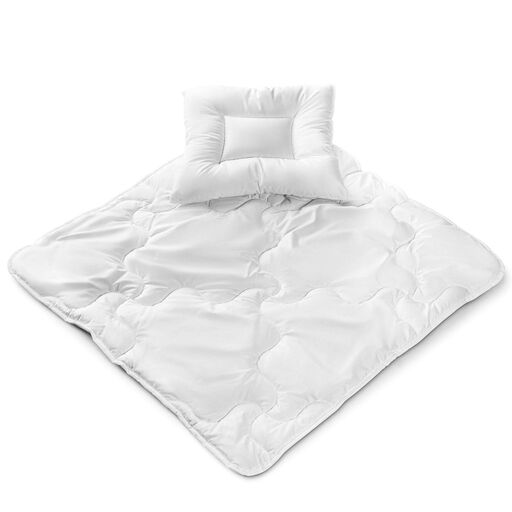
Why this product suits you: Designed for a baby cot, cradle or bedside crib, this set includes an 80 x 80 cm duvet and a 40 x 35 cm pillow.
The specific baby sizes and clearly stated contents reduce the risk of using adult bedding in a child’s cot.
According to the product details, it’s machine-washable at up to 60 °C, suitable for tumble drying and tested for harmful substances to OEKO-TEX Standard 100.

Why this product suits you: Combining a summer duvet with an all-season duvet, this set is for households that want the flexibility to switch depending on the room temperature.
The two stated fill weights, 200 GSM and 450 GSM, make it easier to understand which season each duvet is suited to than a vague claim such as ‘for all temperatures’.
We’ve put together a complete, regularly updated list of products that meet these strict selection criteria and fully comply with the safety regulations in force in the EU.
Wash new bedding according to the care label before using it for the first time. Sort it by colour and fasten zips or buttons to help prevent the fabric from snagging. High temperatures, bleach and an overly hot tumble dryer can put extra strain on colours and fibres.
To help your bedding last longer:
One bedding set is often not enough for everyday use if you want to change it without delay. Having two or more suitable sets can make laundry day easier to manage.
135 x 200 cm is a popular choice for single beds. Common sizes for double beds include 200 x 200 cm, 200 x 220 cm and 240 x 220 cm. The size of your existing duvet is what matters, not just the width of your bed frame.
Cotton is often chosen for its breathability. Whether it’s suitable for warm nights also depends on the weave, weight and room temperature. A lightweight summer duvet and a suitably breathable duvet cover may be a better choice than a particularly heavy set.
This depends on how you use it, skin sensitivity, pets and personal preference. Many households change their bedding regularly, every one to two weeks. More frequent changes may be helpful for babies, heavy sweating or allergy sufferers. The important thing is to wash each bedding set according to its care label and let it dry completely.