
Lieferung heute & morgen

Qualitätsgarantie

Willkommens-Angebote freischalten: KOSTENLOSE Lieferung | Bis zu 80 % RABATT | Kostenlose 30-Tage-JoyPlus-Testphase
App herunterladen
A new bedding set should feel pleasant against your skin, fit your duvet and remain practical even after many washes. When comparing, it’s not just the colour or a marketing term like “Luxury” that matters. What’s crucial are the actual dimensions, the material specification, the set composition and the care instructions.
A duvet measuring 155 × 220 cm needs a matching duvet cover in the same dimensions. A cover in 135 × 200 cm is not a suitable replacement. For double beds, sizes such as bedding 200 × 200 cm, 200 × 220 cm or 200 × 240 cm are also options.
Before buying, you should therefore check the measurements of your existing duvet inner. Don’t overlook the pillowcases either: in Germany, bedding sets with 80 × 80 cm pillowcases are widespread, while individual ranges offer 65 × 65 cm.
Terms like “washed cotton look” or “cotton-like” can describe a textile appearance without the fabric actually being made of cotton. A product made from polyester microfibre can be soft, light and easy to care for, but it has different properties to cotton bedding.
So read the material specification in full. With microfibre bedding, for example, the polyester content, zip closure, corner ties and washing instructions are relevant. With cotton, the fibre type, weave and workmanship all count.
Pleated effects, linen textures or bold colours say little about everyday usability. Check whether the cover has a secure closure, whether the duvet can be fixed inside, and whether the fabric is colourfast or shrink-resistant according to the product information.
A bedding set with a zip can usually be closed more quickly than a cover with several buttons. Internal corner ties can also prevent the filling from shifting inside the cover. The specific number – for example, eight corner ties – should be stated in the product description.
For single beds, bedding 135 × 200 cm is a common size. For longer single duvets, 155 × 220 cm is suitable. Double duvets can measure 200 × 200 cm, 200 × 220 cm or 200 × 240 cm.
Pay attention to whether it is a 2-piece, 3-piece bedding set or 4-piece set:
The number can vary within the same range depending on the size. For multiple people in a household, a 4-piece set can be practical, while a 3-piece duvet cover set for a double bed usually provides the right basic equipment straight away.
Cotton is often chosen for its natural fibre structure and typical breathability. A double-layer cotton gauze can have a loose, textured surface. When selecting, you should follow the care instructions, as cotton fabrics can shrink to varying degrees depending on their processing.
Polyester microfibre is light, smooth and machine washable. Pre-washed variants can have a soft surface. They are suitable for buyers who prefer an easy-care material and a low fabric weight. The term “breathable bedding” should be understood as a product feature from the respective description, not as a medical claim.
If you are specifically looking for ÖKO-TEX bedding, you should look for a specific certificate reference. The 135 × 200 cm set presented below mentions an ÖKO-TEX certification. The 155 × 220 cm cotton set additionally states the certificate number 24.HCN.19195. Certificates always apply to the specifically designated product and should be checked in the product details.
A zip can make putting on the cover easier. Corner ties help keep the duvet securely in place, but they don’t replace checking the correct size. For durability, reinforced seams, the recommended washing temperature and avoiding unsuitable bleaches are also relevant.
Wash new bedding before first use according to the care label. For delicate structures, a gentle wash cycle is recommended. Drying at a low temperature or air drying may be specified depending on the material.
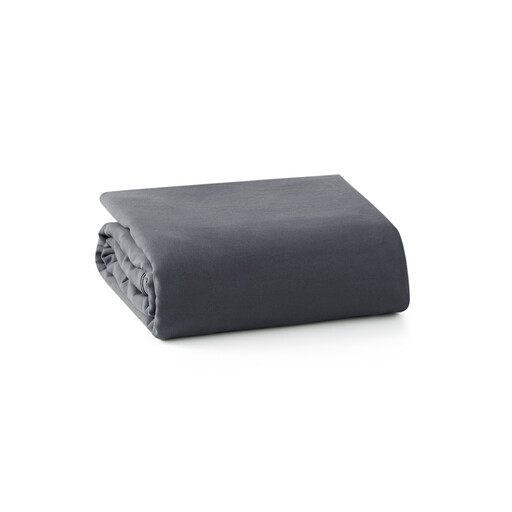
Why this product fits the profile: The set contains two duvet covers in 135 × 200 cm and two pillowcases in 80 × 80 cm, offering a practical solution for single beds or for swapping in the household.
The product information explicitly states the material, dimensions, zip closure and eight corner ties. This allows you to check key details before buying.
90 % polyester according to the product information, machine wash below 40 °C and ÖKO-TEX reference; the certificate details should be checked on the product page.
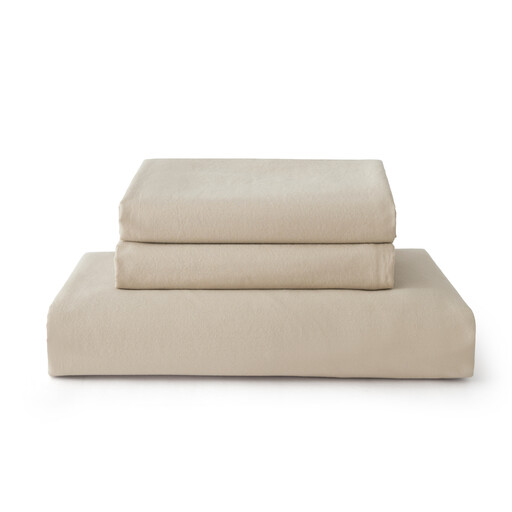
Why this product fits the profile: The 155 × 220 cm variant made from 100 % washed cotton is aimed at users who pay attention to material specification, textured surface and certificate information.
The product description states 100 % cotton, eight corner ties, a concealed zip and ÖKO-TEX Standard 100 with the certificate number.
Three-piece set with two pillowcases in 80 × 80 cm, washed cotton surface and care instructions for a gentle wash cycle.
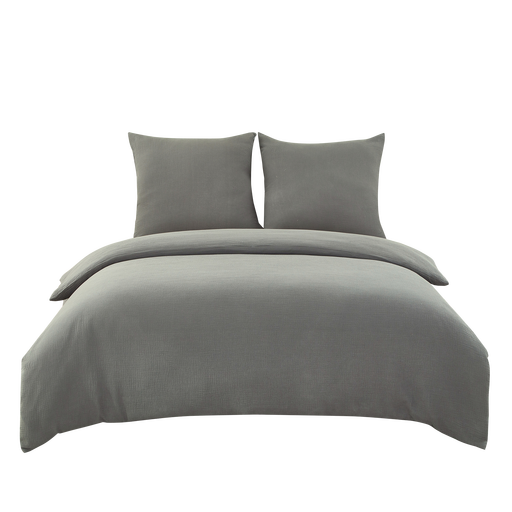
Why this product fits the profile: The double-layer cotton gauze in 200 × 240 cm is suitable for large double duvets and appeals to users who prefer a textured, airy fabric surface.
The variant specifically states the material, size, zip closure and care properties such as washability, colourfastness and anti-pilling information.
100 % cotton, double-layer gauze, 200 × 240 cm and two pillowcases in 80 × 80 cm according to the product description.
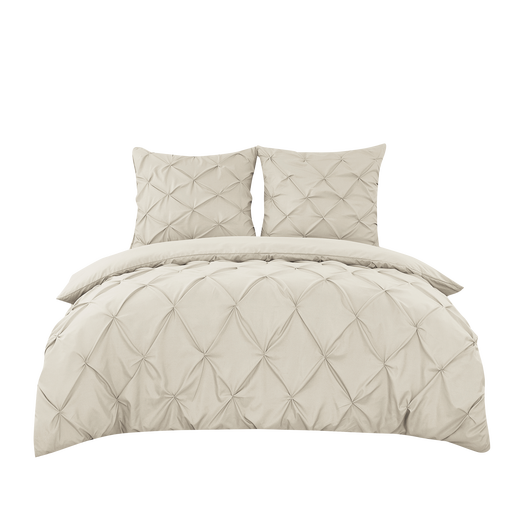
Why this product fits the profile: The 155 × 220 cm microfibre variant combines a fine pleated texture with low weight and is suitable for people who prefer an easy-care look.
The product description identifies the material as microfibre and states the available sizes and machine washing. The appearance is not passed off as a linen material.
Microfibre, fine pleated texture, 155 × 220 cm and two pillowcases in 80 × 80 cm according to the product information.
We have put together a complete, regularly updated list of products that fully meet these strict selection criteria and the safety regulations in force in the EU.
That depends on the duvet. For many single beds, 135 × 200 cm is used, while 155 × 220 cm covers a longer single duvet. For double beds, 200 × 200 cm, 200 × 220 cm and 200 × 240 cm are common choices. Measure your duvet before ordering and also compare the pillow dimensions.
A fixed lifespan cannot be reliably stated. It depends on the material, sewing quality, washing temperature, drying method and frequency of use. Reinforced seams, a sturdy closure and following the care label can support everyday use. If you notice visible damage to the zip, thinning areas or heavy pilling, it’s time to replace it.
Microfibre bedding is often offered as light and machine washable. Cotton can also be easy to care for depending on the weave and finish, but it may require more attention when drying and ironing. What matters are the specific details of the individual bedding set, not just the material label.