
Lieferung heute & morgen

Qualitätsgarantie

Willkommens-Angebote freischalten: KOSTENLOSE Lieferung | Bis zu 80 % RABATT | Kostenlose 30-Tage-JoyPlus-Testphase
App herunterladen
Choosing the right bedding set can significantly impact your quality of sleep. Whether you tend to overheat at night, need a practical solution for the whole family, or prioritise skin-friendly materials, the properties of your bed linen play a crucial role. This guide serves to orient you, presenting various options to help you make an informed decision based on objective criteria and your specific needs.
Before you decide on a product, the following points will help you narrow down your options and find a set that meets your requirements.
The material is crucial for sleep comfort. Cotton bedding is known for its breathability and absorbency. It wicks moisture well, making it a popular choice for year-round use. In contrast, microfibre bedding, often made from polyester, is distinguished by its soft feel, high durability, and easy-care properties. For those prone to night sweats, special summer bedding made from cooling performance fibres is an alternative worth considering. These materials are designed to effectively draw heat away from the body.
Modern bedding offers more than just appealing design. Bedding with a zipper closure is often quicker and easier to manage compared to models with button closures. The zipper should be concealed to avoid skin contact and ensure longevity. Another important feature is certification. A product labelled as OEKO-TEX certified has been tested for harmful substances, thus offering greater safety for direct skin contact.
In Germany, the standard size for single duvets is 135x200 cm. A 135x200 4-piece bedding set, consisting of two duvet covers and two pillowcases, is especially practical. It allows for a uniform look across two beds or provides an immediate spare set, which simplifies laundry planning.
Here is a selection of products tailored to different needs. The descriptions are based on manufacturer specifications and highlight the respective product features.
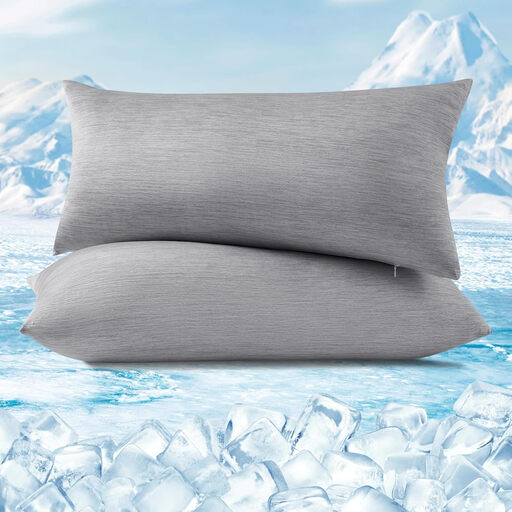
Why it stands out: This cooling pillowcase uses Arc-Chill technology to actively help dissipate heat. The specified Q-Max value of >0.45 describes the material's ability to provide an instant cooling sensation upon contact.
Benefits:
Who it's for: This product is aimed at individuals who tend to overheat at night and are looking for a targeted solution for temperature regulation around the head and neck, especially during the warmer months.

Why it stands out: This set combines the practical utility of a complete 135x200 4-piece bedding set with the easy-care properties of microfibre. It is a functional solution for everyday use.
Benefits:
Who it's for: Ideal for price- and quality-conscious buyers, families, or households that need a durable, easy-care, and complete set for multiple beds or for regular changes.
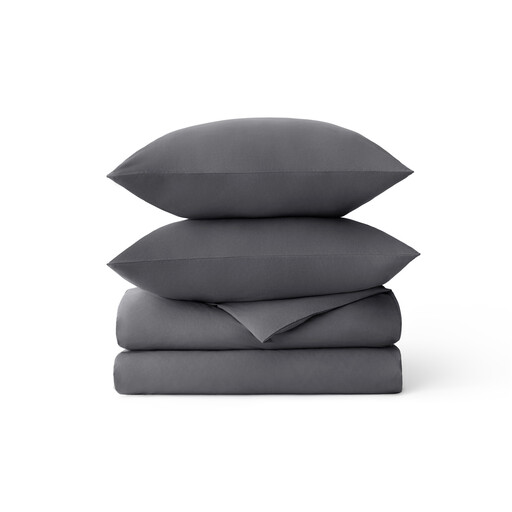
Why it stands out: This cotton bedding set is distinguished by its special wash, which gives the fabric a soft, relaxed texture reminiscent of linen. It combines the comfort of cotton with an appealing aesthetic.
Benefits:
Who it's for: This set is the right choice for users who appreciate the value of natural, breathable materials and prefer a high-quality feel and a stylish, casual aesthetic for their bedroom.
If the products featured here don't fully meet your expectations or if you're looking for specific designs, you can find other alternatives. For a wider selection, including various colour options, explore our category for grey pillowcases.
1. What is the difference between cotton and microfibre bedding? Cotton is a natural fibre that is very breathable and absorbent, making it ideal for people who tend to sweat. Microfibre is a synthetic fibre (usually polyester) valued for its softness, durability, and wrinkle-resistant properties. It dries very quickly and is often more affordable.
2. What does OEKO-TEX certified mean for bedding? The "STANDARD 100 by OEKO-TEX" label is an independent testing and certification system. If a bedding set carries this seal, it means that all its components (fabric, threads, zipper, etc.) have been tested for a long list of harmful substances and comply with the standard's strict limit values. It stands for high product safety and skin-friendliness.
3. How often should you change a bedding set? For hygiene reasons, it is recommended to change your bedding every one to two weeks. If you sweat heavily or have allergies, a weekly change may be advisable. A 4-piece set makes this routine easier, as a fresh set is always on hand.