What should you look for when buying?
Maximum appliance capacity is only part of the picture. Consider the programme load, drum action, energy use and installation space together.
| What matters |
What to check when buying |
Who is it most important for? |
| Tangled duvet covers |
Look for a bedding or Sheets programme and reverse tumble; also check the permitted programme load. |
If large duvet covers tend to roll into one another in my dryer, suitable drum action is a priority. Around 36% of consumers rate preventing tangling as their top buying priority. |
| A suitable load size |
Compare the size of your usual load with the limit for the specific programme, not just the appliance’s maximum capacity. |
I want to know whether my usual laundry load will fit the programme I plan to use. Around 29% of consumers prioritise a suitable load size. |
| Everyday energy use |
Compare kWh per 100 Eco cycles and Eco programme duration on a like-for-like basis. Work out your own costs using your electricity tariff and actual usage. |
If you dry laundry regularly, you’ll want to weigh up energy use and programme duration together. Around 21% of consumers put running costs first. |
| Installation and maintenance |
Check the appliance and door dimensions, condensate drainage and filter maintenance for the specific model. |
If the available space, door area and day-to-day maintenance all need to work for you, check these points before buying. Around 14% of consumers prioritise installation and appliance maintenance. |
Key brands at a glance
These examples relate to the specific models and manufacturer information mentioned. They are not an overall assessment of each brand and do not indicate whether the products are available from Joybuy.
Bosch
According to Bosch Hausgeräte DE, the WQG233DR91 has a maximum appliance capacity of 9 kg and a bedding programme with reverse tumble.
- A bedding programme and reverse tumble are specifically listed for large duvet covers.
- The 9 kg capacity does not automatically apply to every specialist programme; the model does not have a self-cleaning condenser.
Siemens
Siemens Hausgeräte DE lists a maximum appliance capacity of 9 kg, a Sheets programme and a reversing drum for the WQ33G2DG1.
- Siemens says the change of direction helps prevent large items of laundry from tangling together.
- The manufacturer’s description is not an independent assessment of the results for every load; the model does not have a self-cleaning condenser.
AEG
The TR9W80799 is a heat pump tumble dryer with a maximum capacity of 9 kg. AEG says its 3DScan feature can also be used for duvets.
- For this model, AEG lists a weighted energy consumption of 92 kWh per 100 operating cycles, based on the energy label.
- The claim about drying duvets is the manufacturer’s information for this model, not independent confirmation of results for every type of textile.
Beko
According to Beko Deutschland, the B3T3249S has a maximum capacity of 9 kg and sensor drying.
- Beko lists energy class C and 63 dBA for this model.
- The manufacturer’s information about the AquaWave drum does not confirm that this model has a bedding programme with reverse tumble.
Miele
According to Miele Deutschland, the TK740I WP is a T2 heat pump tumble dryer with a maximum capacity of 9 kg.
- Miele lists dimensions of 850 × 596 × 621 mm for this model.
- Check the specific programme options for bedding before buying; according to the manufacturer, installation services are optional.
Joybuy products for bedding and bulky laundry
The products below include heat pump tumble dryers for bedding loads and bulky textiles. Check each model to make sure its programme and permitted load suit the laundry you want to dry.
 No image available
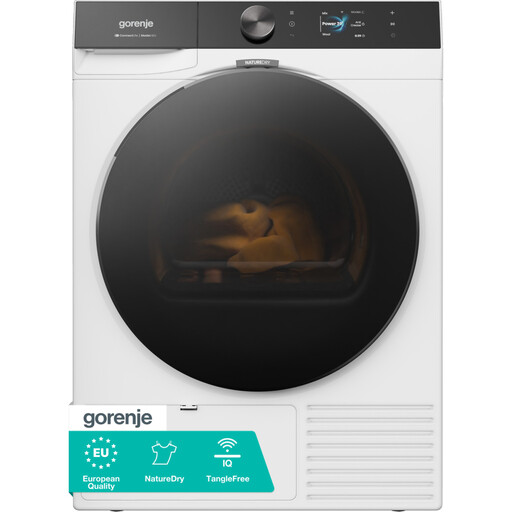
GORENJE DG89BP heat pump tumble dryer, 9 kg
If you dry large duvet covers, check whether the Bedding-XL programme is suitable for the size of your load. The product information also lists a reversing drum; the permitted load for the programme is still key.
View at Joybuy
 No image available
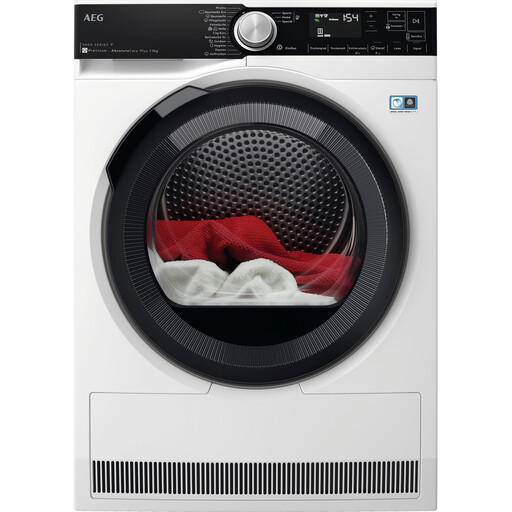
AEG TR9DW80690 heat pump tumble dryer, 9 kg
If you want to dry bedding or thick textiles, check the permitted load for the Bed-Linen-XL programme. The product information also lists 3DScan for thick textiles; the feature description does not guarantee a particular result.
View at Joybuy
 No image available
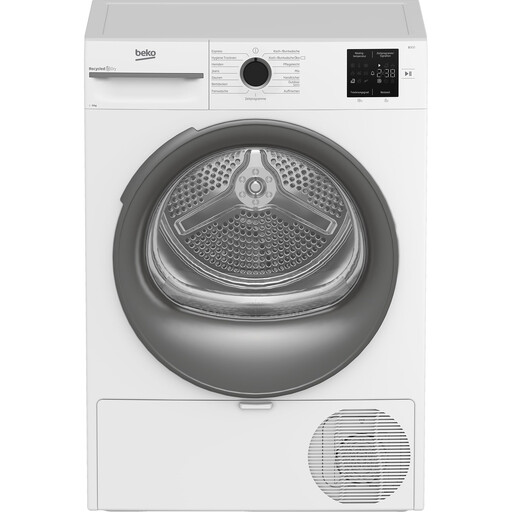
Beko BM3T39210W1 heat pump tumble dryer, 9 kg
If ease of loading bulky textiles matters to you, check the door opening and the programme description for the type of laundry you want to dry. The product title lists a 9 kg capacity and energy class E; the product information lists 15 programmes.
View at Joybuy
 No image available
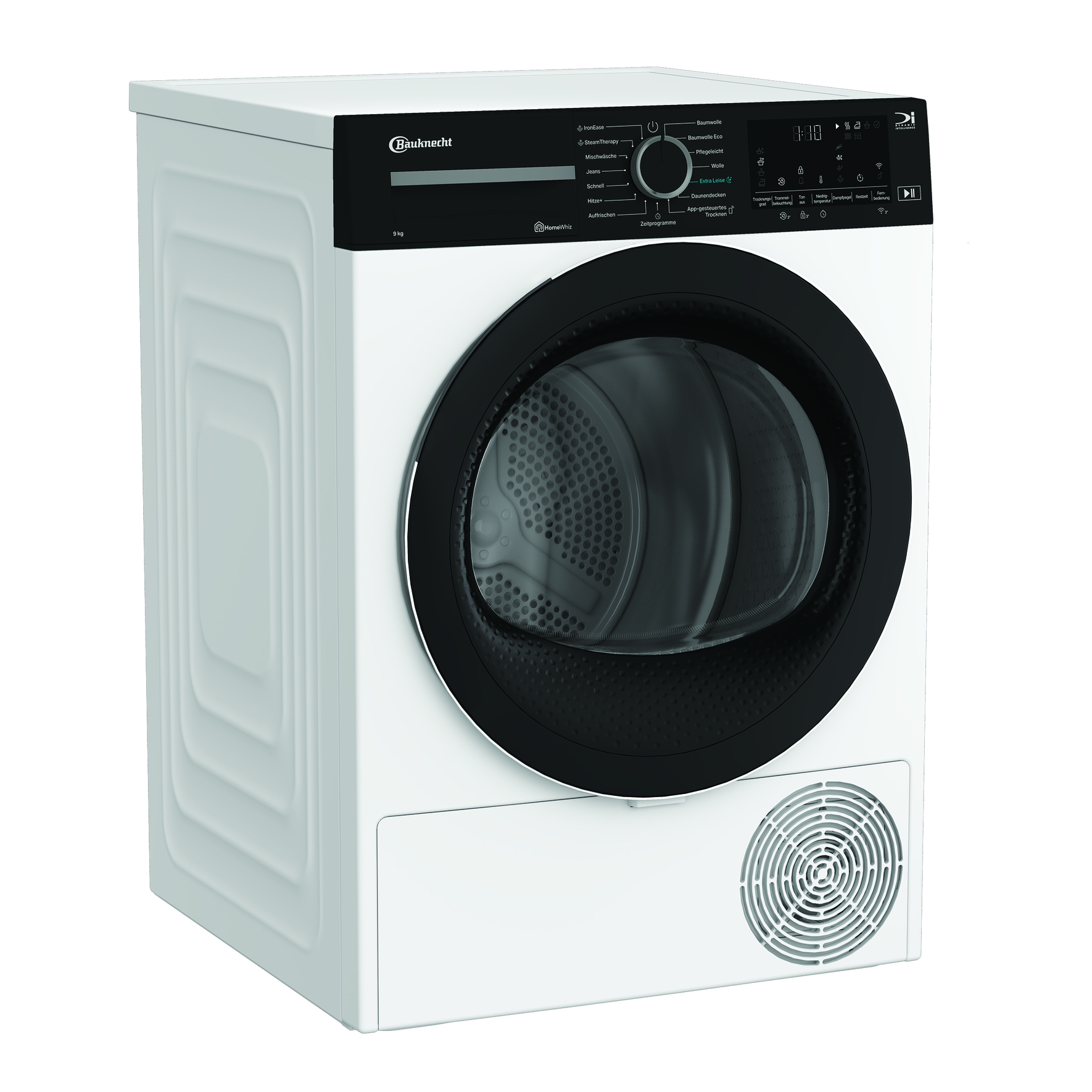
Bauknecht BD 9C WBS heat pump tumble dryer, 9 kg
If changing drum direction matters for your bedding, check the details of the specific programme. The product description mentions a reversing drum; the product title also lists SteamCare, Wi-Fi and energy class C.
View at Joybuy
 No image available
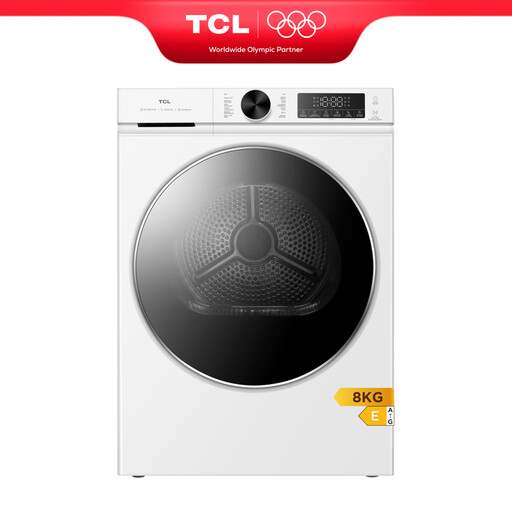
TCL DP4408WE1DE heat pump tumble dryer, 8 kg
Compare the stated capacity of 8 kg with the size of your usual bedding load and the programme description. The product information lists bedding as a suitable type of laundry and includes Auto Dry; the title lists energy class E.
View at Joybuy
Frequently asked questions
Is a maximum appliance capacity of 9 kg enough for every duvet?
No. For the models mentioned, 9 kg is the maximum appliance capacity; it does not mean every duvet is suitable for every programme. Check the care label, programme description and permitted load for the specific model.
What should I check for installation and maintenance?
Measure the available space and door area, and check the condensate drainage for your chosen model. Bosch recommends cleaning the fluff filter in its tumble dryers after every cycle; for other appliances, follow the relevant instruction manual.
How do I compare energy use and running costs?
Compare the label figure in kWh per 100 Eco cycles on a like-for-like basis; actual costs depend on your electricity tariff and usage. To work out your own costs, you’ll need your electricity tariff and a realistic estimate of how many cycles you run.
Which energy label must be shown when buying online in Germany?
Under EU energy-labelling rules, the energy label must also be visible online for new household tumble dryers covered by the regulations. The European Commission states that dryers have used the A to G scale since 1 July 2025; older ratings on the A+++ to D scale are not directly comparable with the current rating.
If something goes wrong, what is the difference between statutory rights and a guarantee?
Your statutory rights are set out by law, while a guarantee is a voluntary offer. The Verbraucherzentrale distinguishes between the two; check the terms and who to contact in your particular case.


