What should you look for when choosing one?
It’s not just about the highest stated CADR. Room size, the night-time setting you’ll actually use, compatible replacement filters and how you manage further pollen entering the room all matter too.
| What matters when buying |
What to check |
Who is it important to? |
| Cleaning performance in the room |
Compare the room size with the CADR and the intended operating setting; compare manufacturers’ figures only under the conditions they specify. |
If I want to reduce pollen in a particular bedroom, the performance needs to suit the room size. Around 36% of consumers put room-appropriate performance first. |
| Noise and light at night |
Check the noise rating and airflow for the night-time setting you plan to use. Also find out whether the display can be dimmed. |
If you want to run the purifier while you sleep, you’ll need noise and lighting levels you can live with. Around 29% of consumers prioritise quiet operation at night. |
| Replacement filters and running costs |
Check the exact filter code and recommended replacement schedule; consider electricity use in light of how long you plan to run the purifier. |
If I want to filter the air regularly, I want to plan for the right replacement filter and the upkeep in advance. Around 21% of consumers prioritise ongoing filter costs. |
| Pollen entering the room and the purifier’s limitations |
Consider pollen coming in through windows and on clothing and hair; continue to ventilate the room. |
If you want to understand the role of an air purifier alongside measures to keep pollen out, you should also consider its limitations. Around 14% of consumers make this their top priority. |
Air purifiers for pollen and night-time use
This selection features air purifiers whose product details mention pollen filtration and a sleep or night mode. The stated CADR and noise figures don’t necessarily apply to the same operating setting.
 No image available
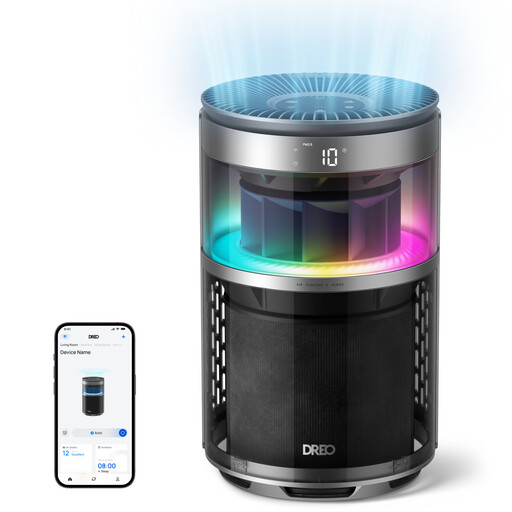
DREO Smart Air Purifier
For anyone looking for pollen filtration and a sleep mode for the bedroom.
The product details list a CADR of 221 m³/h, HEPA and activated carbon filters, and a sleep mode with 18 dB noise and dimmed lighting.
View at Joybuy
 No image available
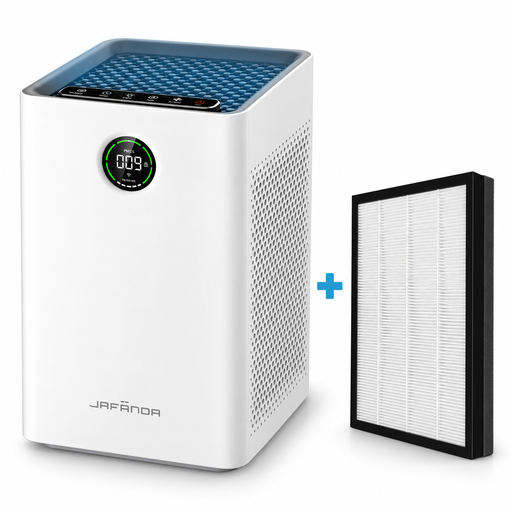
JAFANDA Smart WiFi Air Purifier, H13
For anyone comparing air purifiers that list pollen filtration and night-time operation.
Features include H13 HEPA and activated carbon filtration, a CADR of 260 m³/h, five fan speeds and a sleep mode with 23 dB noise and dimmable lighting.
View at Joybuy
 No image available
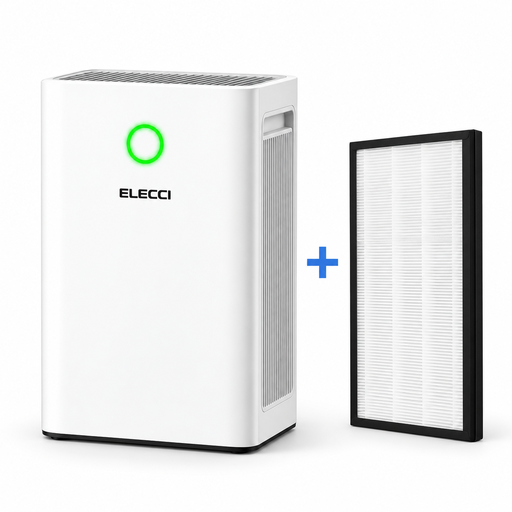
ELECCI air purifier with an extra replacement HEPA filter
For anyone comparing air purifiers supplied with an additional replacement HEPA filter.
The product details list a CADR of 550 m³/h, HEPA filtration and a sleep mode with 24 dB noise.
View at Joybuy
 No image available
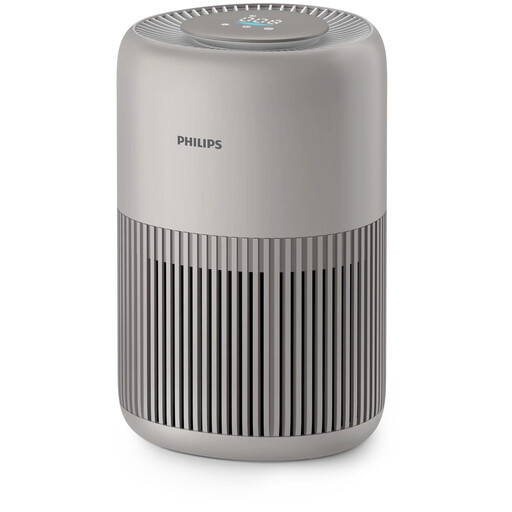
Philips AC0921/14 air purifier
For anyone looking at a Philips model that lists pollen filtration and a night mode.
The product details list a HEPA NanoProtect filter, a CADR of 250 m³/h and a PM2.5 sensor. The night mode is stated to have 20.5 dB noise and dimmed lighting.
View at Joybuy
 No image available
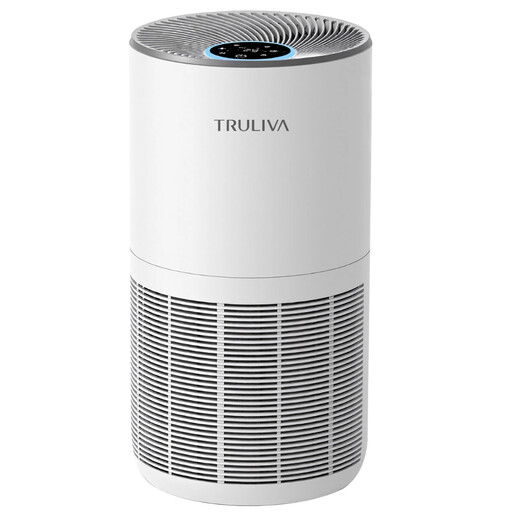
TRULIVA H13 HEPA air purifier
For anyone considering an H13 HEPA air purifier that lists pollen filtration.
Features include a CADR of 450 m³/h, 360° air intake and a sleep mode with the lights switched off.
View at Joybuy
Frequently asked questions
Can an air purifier replace ventilation in the bedroom?
No. A portable air purifier doesn’t replace ventilation. The German Environment Agency points out that portable recirculating air cleaners don’t remove carbon dioxide or water vapour from indoor air. Its statement concerns classrooms and virus particles, not pollen filtration in the bedroom. The German Allergy and Asthma Association also highlights ventilation and clothing habits as part of pollen protection.
Where should I place the unit, and what should I know before using it for the first time?
Place the unit in the bedroom you want to filter, making sure the air inlet and outlet aren’t blocked, and follow the instructions for your specific model. Placement and air circulation affect how air moves through the purifier.
When should I replace the filter?
Follow the instructions and check the filter code for your model. Philips recommends replacing the filter in the AC1715/11 after one year and lists FY1700 as the compatible accessory. This recommendation applies to the model specified; it isn’t a general replacement interval.
What should I check about ongoing costs and servicing?
Before you buy, check that the exact replacement filter is available, and factor in filter changes and electricity for the amount of time you plan to use the purifier. Bosch offers a spare-parts search by model number. For other units, the exact model and filter codes are just as important.
What does a CE mark tell me about an air purifier?
A CE mark is the manufacturer’s declaration that the product meets the relevant EU product requirements. The manufacturer must check which requirements apply to the specific model. Within its remit, the German Federal Network Agency checks matters including labelling, product identification and manufacturer details. A CE mark is not independent proof of pollen filtration performance.


