
Lieferung heute & morgen

Qualitätsgarantie
App herunterladen
Kategorien
A bedside crib serves as a secure and practical sleeping solution for newborns during their first few months. It allows the baby to sleep in close proximity to the parents, yet in their own protected space. The choice of the right model depends on specific requirements, including compatibility with the parent's bed, material properties, and functional features. This article analyses the technical criteria relevant for making an informed decision.
The decision to purchase a bedside crib should be based on an analysis of objective parameters. The following criteria are crucial for functionality and safety.
The European safety standard EN 1130:2019 specifies the requirements for cribs and cradles. A compliant product has been tested for stability, material strength, and structural safety. Key aspects of the standard include:
A crucial feature is the adaptability to different bed types. A height-adjustable bedside crib is the standard in this regard.
The choice of material affects the stability, weight, and maintenance of the crib.
Additional features can enhance practical use in daily life.
Based on the technical criteria mentioned above, we present three models with different focuses.
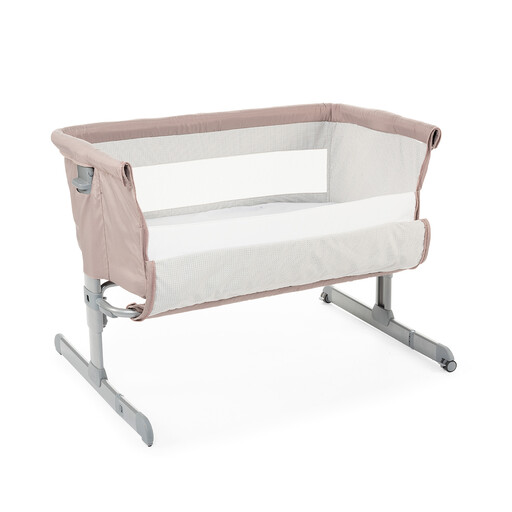
Why We Analysed This Product: The Chicco Next2Me stands out for its high degree of adaptability. With six height settings and specially designed pivoting feet, it is engineered for a wide range of parent beds, including those with drawers. The large mesh windows on the sides ensure excellent air circulation. Another feature is the incline function, which allows the sleeping surface to be tilted if needed. It is secured via a strap system that creates a safe connection to the parent's bed.
Advantages:
Best Suited For: This model is ideal for parents seeking a flexible and universally adaptable solution for various bed designs, who also prioritise good air circulation.
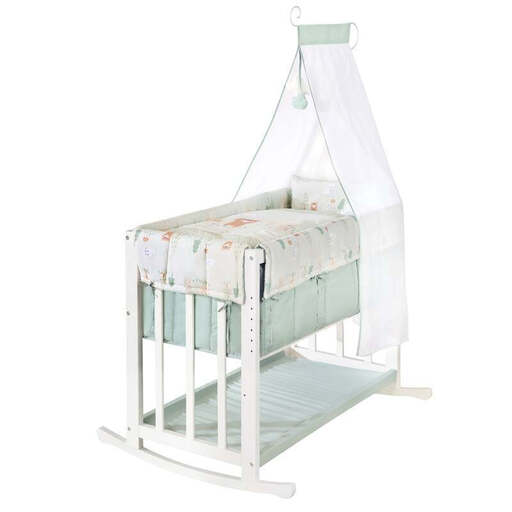
Why We Analysed This Product: The roba 4-in-1 model is a multi-functional system made of wood that can be used as a bedside crib, cradle, bassinet, and bench seat. It complies with the EN 1130:2019 safety standard. The 90x45 cm sleeping surface is 6-level height-adjustable and can be securely attached to the parent's bed with a fastening strap. A key point is the scope of delivery: a mattress, bedding, bumper, and canopy rod are already included. The construction of lacquered plywood and MDF ensures stability.
Advantages:
Best Suited For: This product is aimed at parents looking for a durable and versatile wooden nursery set that grows with the child and already includes all necessary textiles.
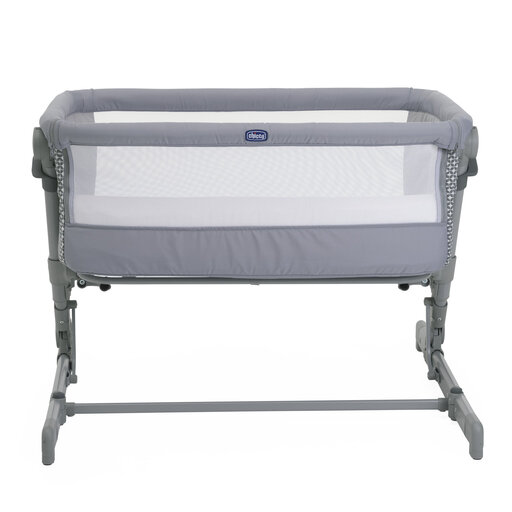
Why We Analysed This Product: The focus of the Chicco Next2Me Go is portability. The crib features a folding mechanism that, according to the manufacturer, allows it to be collapsed in seconds without dismantling any parts. With a weight of 10.4 kg and an included transport bag, it is designed as a foldable travel crib. Despite its easy setup, it offers 6-level height adjustment, an incline function, and a secure attachment system. The mesh windows also ensure the necessary ventilation here.
Advantages:
Best Suited For: This model is a fitting choice for families who travel frequently or need a flexible sleeping option that can be moved effortlessly between different locations or rooms.
A co-sleeping crib is one of several options for a newborn's sleeping space. If you prefer a different aesthetic or a freestanding solution, classic baby cribs could be an alternative. In our category for Iron Beds, you will find more models with different designs and material properties.
1. How long can a baby sleep in a bedside crib? A bedside crib is generally designed for the first 0 to 6 months, with a maximum weight limit that is usually around 9 kg. Its use should be discontinued as soon as the child is able to sit up, kneel, or pull themselves up independently, as the risk of falling out then increases. Always observe the specific warning notices from the manufacturer.
2. Is a bedside crib also suitable for box spring beds? Yes, many modern bedside cribs are suitable for box spring beds. The crucial factors are sufficient height adjustability to align the crib's sleeping surface flush with the box spring mattress, and a long, robust strap system for secure attachment to the bed frame.
3. What is the difference between a bedside crib and a bassinet? A bedside crib is attached directly to the parent's bed with one side open to create a shared but separate sleeping surface. A bassinet is a small, freestanding basket or small bed, often on castors, that can be flexibly placed in the room but has no direct connection to the parent's bed.
Analysis and compilation by: