
Lieferung heute & morgen

Qualitätsgarantie

Willkommens-Angebote freischalten: KOSTENLOSE Lieferung | Bis zu 80 % RABATT | Kostenlose 30-Tage-JoyPlus-Testphase
App herunterladen
Finding the right beef balls for an authentic Asian dish can be a challenge. Whether for a communal hot pot, a comforting noodle soup, or a quick protein boost, the quality and texture of the meatballs are crucial to the success of your meal. Many store-bought products simply don't meet the standards of traditional Asian meatballs.
This guide is here to help. As a Joybuy Product Recommendation Officer, I've made it my mission to provide you with an objective overview of the different types of frozen beef balls available. The goal is to simplify your choice and help you find the perfect product for your taste and culinary needs.
To make an informed decision, it's helpful to understand a few key criteria. The following points will help you objectively compare different products when you're looking to buy beef balls.
A key characteristic that distinguishes Chinese beef balls from their European counterparts is the texture. Asian cuisine often prizes a springy, almost "bouncy" consistency (known as "Q texture"). This is achieved through special processing techniques and the use of ingredients like beef tendon. Other varieties are more tender and soft, while some contain a juicy filling that bursts out when you bite into them. Pay close attention to the product description to find the texture that's right for you.
Not every meatball is equally suited for every dish.
A look at the ingredient list reveals the product's quality. A high beef content is usually an indicator of a more intense flavour. Binders like wheat or potato starch are common for achieving the desired texture, but their proportion should be reasonable compared to the meat. The list of allergens and nutritional information provides additional transparency.
Based on the criteria above, we have curated a selection of products that cater to different tastes and applications.
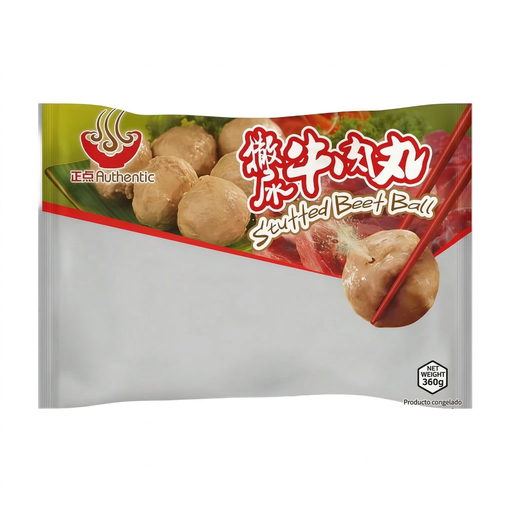
What makes it special: These Cantonese-style beef balls are known for their juicy broth filling, which is released upon heating. The texture is characteristically springy, offering a unique mouthfeel.
Pros:
Who it's for: Lovers of Cantonese specialities and anyone looking for a unique, juicy option for hot pot or as an addition to clear soups.
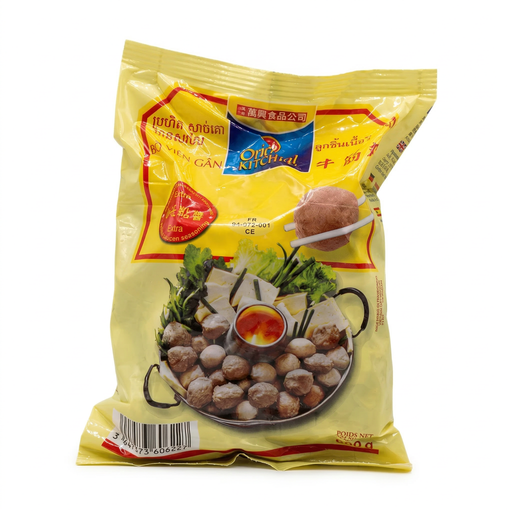
What makes it special: The combination of beef and beef tendon gives these balls an exceptionally springy, dense, and chewy texture. Their robust beef flavour makes them highly versatile.
Pros:
Who it's for: Anyone who appreciates the characteristic chewy and springy "Q texture" and is looking for a product with a strong meat flavour for various Asian dishes.
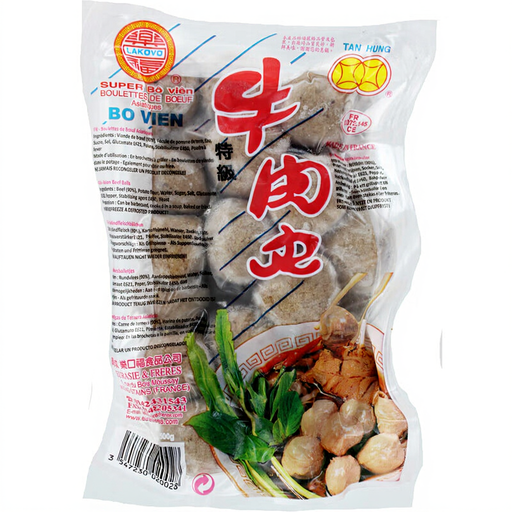
What makes it special: These beef balls stand out with their high meat content of 90% beef. They have a tender yet firm consistency and a savoury, well-seasoned flavour.
Pros:
Who it's for: Those who prefer a high meat content and a classic, savoury beef flavour. Ideal as an addition to noodle soup or for stews.
If you haven't found the right product in this selection or want to compare more options, our frozen meat products category offers a wider range of meatballs and other specialities for your kitchen.
Explore our full range of frozen meat products here.
Most frozen beef balls are pre-cooked and should be prepared directly from frozen. Thawing is not necessary and is generally not recommended as it can compromise the texture. Simply add the frozen balls to boiling water, a soup, or a hot pot and cook for the time indicated on the packaging (usually 3–8 minutes), or until they float to the surface and are heated through.
The main difference lies in the texture and seasoning. Asian meatballs are often processed to achieve a springy, elastic consistency. This is done through intensive processing of the meat protein and the addition of starch or tendon. The seasoning is typically characterised by ingredients like soy sauce, ginger, and white pepper. European meatballs are usually looser and more tender in texture and are often made with bread or breadcrumbs as a binder.
Authentic Asian meatballs are available at well-stocked Asian supermarkets or from specialised online retailers. Buying online offers the advantage of a larger selection and convenient home delivery, with the cold chain maintained through special packaging. This ensures that your frozen beef balls arrive in perfect condition.