
Lieferung heute & morgen

Qualitätsgarantie

Willkommens-Angebote freischalten: KOSTENLOSE Lieferung | Bis zu 80 % RABATT | Kostenlose 30-Tage-JoyPlus-Testphase
App herunterladen
As a Joybuy Product Recommendation Officer, I often see shoppers facing a challenge when selecting Asian foods. The disappointment is particularly great when searching for authentic beef balls for dishes like hot pot or noodle soups, only to find the product doesn't meet expectations. Many commercially available meatballs are designed for the Western palate and miss the characteristic qualities that connoisseurs appreciate. So, before you add the next best thing to your cart, you should know the common pitfalls.
The most common problems during purchase are:
To avoid these disappointments, it is crucial to pay attention to a few key parameters that distinguish a high-quality product.
To find the right frozen beef balls that are ideal as hot pot ingredients, you should check three essential criteria. These will help you objectively assess the quality and ensure you are getting an authentic product.
The most important indicator of quality is the beef content. Look for products where the beef content is at least 60% or higher. A high meat content is the foundation for a full flavour and a firm structure. Some specialised varieties, such as Chinese beef balls from the Chaoshan region, also contain beef tendons. This addition provides a particularly chewy and springy texture that is highly valued by connoisseurs. Avoid products where starch or soy protein is listed first in the ingredients.
The authentic texture is what sets Asian beef balls apart from Western varieties. They should not be crumbly, but firm and elastic—almost bouncy to the bite. This quality is achieved through special manufacturing processes and the use of ingredients like potato starch instead of wheat flour. Potato starch gelatinises during cooking and contributes to the desired "Q texture" without leaving a mealy aftertaste. So, when you buy beef balls, take a close look at the ingredients list to check the type of binding agent used.
A short and understandable ingredients list is often a good sign. Authentic Asian beef balls are typically seasoned with salt, sugar, white pepper, and sometimes a hint of ginger or fish sauce. Flavour enhancers like monosodium glutamate (E621) are also common in many traditional recipes. Be skeptical of products that contain a long list of artificial flavours or spices typical of European cuisine, such as paprika, marjoram, or granulated onion.
Based on these objective criteria, we have selected a few products from our range that are suitable for different preferences and applications.
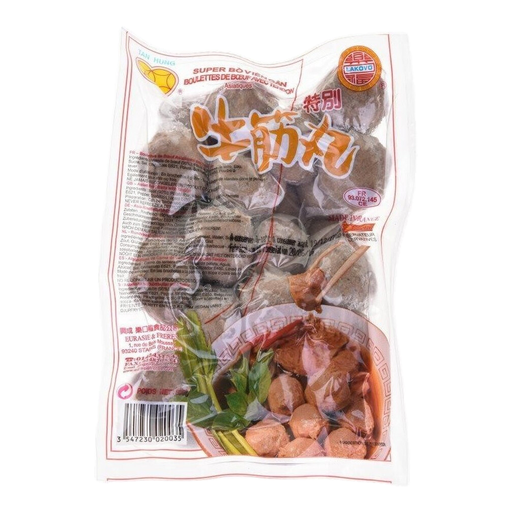
Why This Fits Their Persona: Ideal for those who refuse to compromise on texture in their hot pot experience. The tendon content provides the authentic, springy chew that holds up even after prolonged cooking in the broth.
This product specifically avoids the soft-texture trap by adding 6% beef tendon, a traditional method for creating the desired chewiness.
A combination of 62% beef and 6% tendon for a distinct texture. The 500g pack is convenient for shared meals.
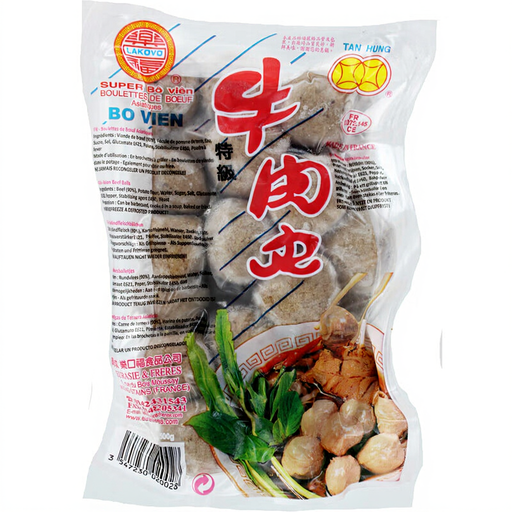
Why This Fits Their Persona: For shoppers who value high meat content and a pure, unadulterated beef flavour. This product focuses on the quality of the main ingredient without extra fillings or complex textures.
With a 90% beef content, this product clearly avoids the trap of fillers and low meat content. The seasoning is classic and subtle.
Very high 90% beef content according to the manufacturer. Versatile for use in soups, stews, and hot pot.
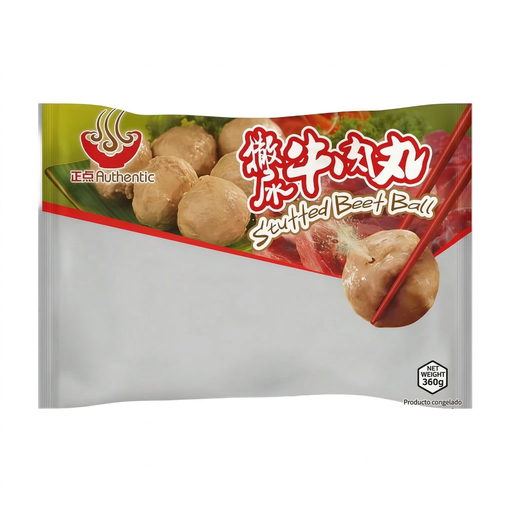
Why This Fits Their Persona: Perfect for anyone wanting to try a special variety. With their juicy core, these Cantonese-style balls offer a unique taste experience that goes beyond the standard product.
This product avoids the "inauthentic taste" trap by offering a specific regional specialty known for its juicy, "bursting" core.
Juicy, broth-filled core for a special eating experience. Already pre-cooked and therefore very quick to prepare in 3-5 minutes.
We've compiled a complete, up-to-date list of products that meet these strict selection criteria.
Preparation is straightforward. Add the frozen beef balls directly from the freezer into boiling broth, soup, or the hot pot. Thawing beforehand is not recommended as it can compromise the firm texture. The balls are cooked when they float to the surface, which usually takes 5 to 8 minutes. Ensure they are heated through completely.
The main difference lies in the texture and seasoning. Asian beef balls are processed to achieve a dense, springy, and chewy consistency. In comparison, European meatballs or Frikadellen are usually looser, softer, and more crumbly. The spices also differ fundamentally: instead of onions, parsley, and breadcrumbs, Asian recipes typically use white pepper, ginger, soy sauce, and sometimes star anise.
Look for a high beef content (over 60%), a short ingredients list, and the use of potato starch as a binder. Products that also contain beef tendons often offer a particularly authentic and chewy texture ideal for hot pot ingredients. Checking the country of origin can also be helpful in identifying specialised, regional varieties.