
Lieferung heute & morgen

Qualitätsgarantie

Willkommens-Angebote freischalten: KOSTENLOSE Lieferung | Bis zu 80 % RABATT | Kostenlose 30-Tage-JoyPlus-Testphase
App herunterladen
Choosing the right beef is crucial for a perfect hot pot experience. The thin slices, which cook in seconds in the hot broth, must be tender and absorb the broth's flavour without losing their own character. However, finding the right hot pot beef can be a challenge given the many options—from the type of meat and cut to its quality.
This guide is here to help. As your Joybuy Product Recommendation Officer, I have analysed the available information to provide you with a clear overview and practical recommendations. The goal is to simplify your choice so you can find the perfect meat for your next hot pot or shabu shabu.
Before we get to specific product recommendations, here are some fundamental criteria to help you make your selection.
For dishes like hot pot or shabu shabu meat, the cut is of central importance. The meat should be sliced extremely thin, ideally between 1 and 2 millimetres. This is the only way it will cook within seconds in the boiling broth while remaining tender and juicy. Professionally prepared beef slices for hot pot guarantee a uniform thickness that is nearly impossible to achieve at home with a standard knife. This ensures a consistent cooking result with every piece.
The quality of the beef has a direct impact on its taste and texture.
Pre-sliced, frozen meat for Asian fondue offers several advantages: it preserves freshness over a long period and is very convenient to handle due to its clean portioning. For preparation, it is recommended to thaw the meat slowly in the refrigerator. This maintains the cell structure and ensures the meat remains tender when cooked. Once thawed, meat should not be refrozen.
Here is a selection of products suited for different needs and occasions, distinguished by their specific characteristics.
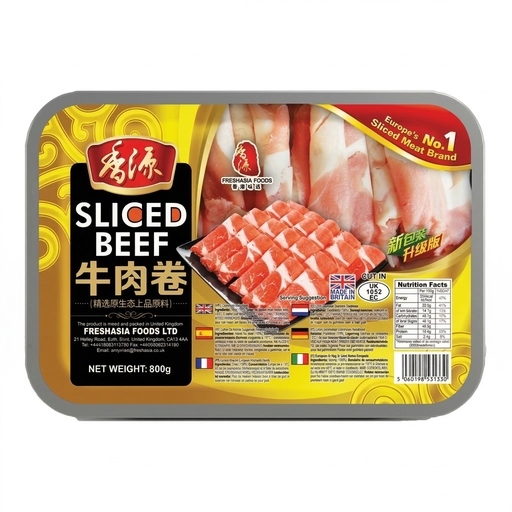
Why it stands out: This product is notable for its generous 800g pack, which is ideal for family dinners or gatherings with friends. The beef slices are professionally cut, ensuring a uniform thickness and texture. The balanced fat distribution provides a tender bite and an authentic beef flavour.
Benefits:
Who it's for: Hosts and families looking for a reliable and versatile option for a social hot pot night who value excellent value for money.
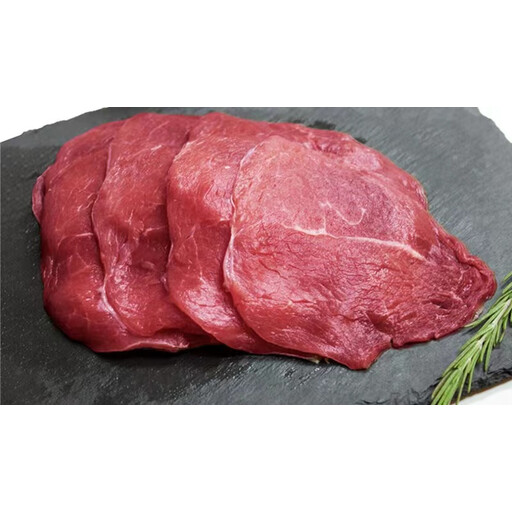
Why it stands out: Made from 100% Angus beef, this product offers a noticeably richer flavour compared to standard beef. The slices are precisely cut to a 1 mm thickness, the optimal size for hot pot meat. The high protein content of 21.3 g per 100 g also makes it a nutritious choice.
Benefits:
Who it's for: Home cooks and lovers of Asian cuisine who appreciate the quality difference of Angus beef and want to add a more intense flavour to their hot pot.
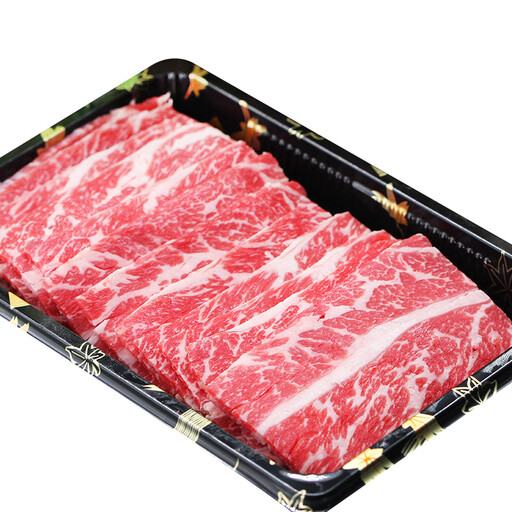
Why it stands out: This product consists of Japanese Wagyu of the highest A5 grade. The exceptional marbling is immediately apparent and creates a texture that melts in your mouth. It is specifically designed as thinly sliced beef for shabu shabu and offers an unparalleled taste experience.
Benefits:
Who it's for: For gourmands and anyone celebrating a special occasion or wanting to treat themselves to a culinary highlight. Ideal for an authentic, high-end shabu shabu experience.
The selection presented here covers a range of needs. However, if you are looking for other cuts, pack sizes, or different types of meat for your culinary projects, you can find more possibilities in our broader category.
? Explore our entire range of fresh beef
1. What part of the cow is best for hot pot? Well-marbled cuts like ribeye, sirloin, or even brisket are typically used for hot pot. The specific cut is less critical than the paper-thin slice, which makes the meat tender.
2. How thick should meat be for shabu shabu? For shabu shabu, the meat should be extremely thin, often between 1 mm and 1.5 mm. This minimal thickness is necessary so that the slices cook in just a few seconds when swished through the hot broth, retaining their delicate texture.
3. Can you put frozen meat directly into the hot pot? It is recommended to fully thaw the meat in the refrigerator before use. If frozen slices are added directly to the pot, it significantly lowers the broth's temperature, which slows down the cooking process and can negatively affect the meat's texture. Thawed meat cooks faster and more evenly.