
Lieferung heute & morgen

Qualitätsgarantie

Willkommens-Angebote freischalten: KOSTENLOSE Lieferung | Bis zu 80 % RABATT | Kostenlose 30-Tage-JoyPlus-Testphase
App herunterladen
If you’re looking to buy beef stock, you’ll find plenty of powders, granules, cubes, pastes and Asian soup bases online. However, products can vary considerably in their ingredients, dosage, salt content, yield and intended use. A clear beef broth for drinking has different requirements from a concentrated umami seasoning for ramen or marinades.
Names such as beef bouillon, Beef Stock or beef broth can refer to a range of different recipes. Some products contain beef fat, beef extract or bone broth, while others rely mainly on flavourings, yeast extract and seasonings. That’s why it’s worth checking the ingredients list:
A high beef content isn’t a universal guarantee of quality, but it can be important if you’re looking for a particular flavour.
A small tin of beef stock powder can make several litres of liquid. So the pack weight alone doesn’t tell you much: the recommended dosage matters too. For the products listed here, for example, dosage recommendations range from half a teaspoon per 150 ml to two teaspoons per 500 ml.
If you regularly make soup, sauces or casseroles, compare the yield per pack. For occasional use, beef stock cubes may be more convenient, as they’re already divided into individual portions.
Bouillons often contain a substantial amount of salt. They may also contain ingredients such as wheat, soya, celery, mustard, milk or fish, or list these as possible traces. This is particularly relevant if you eat gluten-free, have allergies or use the stock in several different dishes.
Nutritional information usually refers either to the prepared broth or to 100 g of dry product. These figures aren’t directly comparable. When choosing a product, always check the ingredients list, allergen information and preparation instructions on the packaging.
A clear beef broth should dissolve in hot water without forming lumps. Check whether the recommended amount is given for a cup, a pan or a larger volume of liquid. For sauces and marinades, a concentrated dose is usually more practical than making up the full amount as a broth to drink.
Classic beef bouillon works well in potato and vegetable soups, gravy or casseroles. For Asian cooking, products containing yeast extract, bonito, soya sauce or fermented ingredients can offer a stronger umami flavour. If you’re looking for a neutral alternative to beef stock, it’s best to avoid strongly acidic or spicy ingredients such as chilli or vinegar.
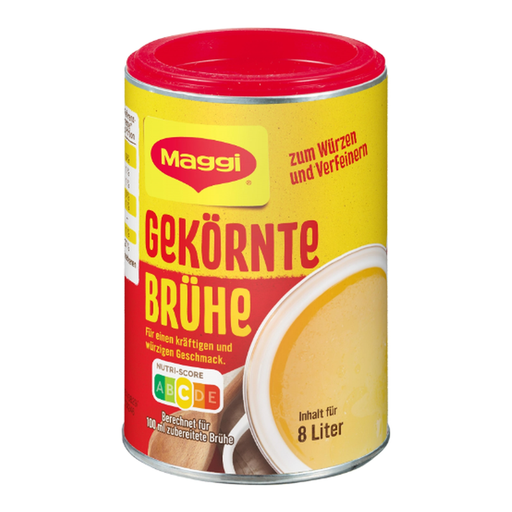
Why this product suits this profile: The granules are easy to measure and, according to the product information, make up to 8 litres of clear broth. They’re a good choice for households looking for a versatile soup base for everyday use.
The pack gives a specific yield and clear preparation instructions. This makes it easier to estimate how much you’ll use than if you only had the pack weight to go on.
Granules, flexible dosing and versatile use in soups, sauces and casseroles. According to the product information, it contains wheat and celery oil.
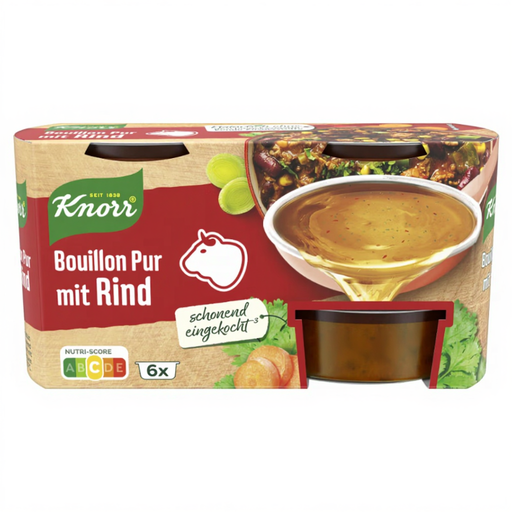
Why this product suits this profile: According to the product description, these pre-portioned units contain beef bone broth, beef fat and beef. They’re a good fit for shoppers who pay close attention to the ingredients and want controlled portions.
The ingredients are clearly named, rather than the product simply being promoted as having a general beef flavour. The individual portions also help reduce the risk of using too much.
6 portions of 28 g, suitable for adding directly to cooking water or a dish and, according to the product information, no allergens.
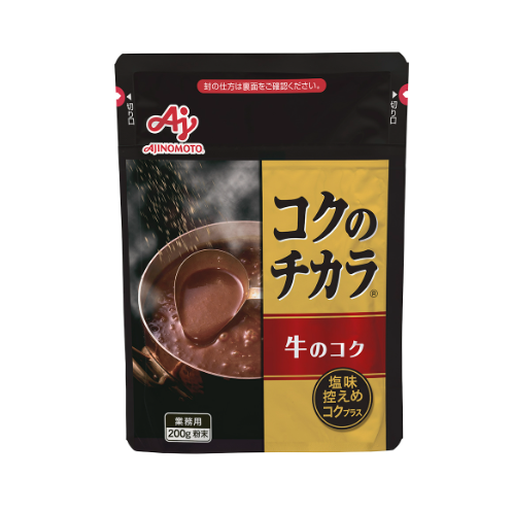
Why this product suits this profile: This concentrated umami seasoning is designed for ramen, sauces, stir-fries and other Japanese-inspired recipes. According to the product information, the recommended dosage is around 0.5 to 1 per cent of the weight of the dish.
The small recommended amount and clear intended use help you avoid mistaking this product for a neutral broth to drink. The allergen information lists fish, soya, wheat and beef, among other ingredients.
200 g pack, concentrated use and a flavour profile designed for soups and sauces.
If you’re after a spicy, tangy Asian-style beef broth, the HAIDILAO Sichuan-style Sauce for sour soup with beef 150g may also be worth considering. According to the product information, use it with 500 to 600 ml of hot water or broth. It also works well in noodle dishes, marinades and stir-fries. Ingredients to note include soya, mustard, sesame and chilli, as well as a salt content of 9,5 g per 100 g.
We’ve put together a complete, regularly updated list of products that fully meet these strict selection criteria and the safety regulations in force in the EU.
Follow the instructions on the pack. The products listed here, for example, recommend around half a teaspoon per 150 ml of water or two teaspoons per 500 ml of water. For sauces and marinades, you may want to use a smaller amount of liquid and adjust the dosage carefully. Stir first, taste, then add more seasoning if needed.
Store unopened dry products such as powders, granules and cubes in a cool, dry place, away from direct sunlight. Once opened, seal them tightly. Pastes and opened products often need to be refrigerated and used within the period stated on the packaging. Always follow the best-before date on the relevant pack.
Beef stock is usually sold as a liquid cooking base and may be made with a recipe that focuses more on bones, meat or vegetables. Beef bouillon is often concentrated, dried or portioned, and is made up with water or added directly to food as a seasoning. Powders, granules and cubes take up less space and are handy for quick everyday cooking, while stock may be a better choice for sauces that need a rich liquid base.