What should you look for when buying?
Bi-colour COB light with diffuser
A good fit if: you want to supplement the window light precisely and shape the visible reflection on the glaze.
Things to consider: The softbox or diffuser, mount, stand and power supply all need to be suitable for the specific light and version.
Bi-colour LED panel
A good fit if: you want to add light easily to a small tabletop setup and the shape of the panel is suitable for your mug.
Things to consider: The fixed size and shape of the light source are less adaptable than a modifier fitted to a COB light.
Small battery-powered or RGB light
A good fit if: the main lighting is already right and you want to highlight the handle, embossing or background.
Things to consider: A narrow light source is not a substitute for a large, diffused key light. Colour effects can also make the glaze look different.
For shiny surfaces, AZ Picture recommends placing a large light source to the side and in front of the product; Nikon USA highlights the importance of diffusion. So check your own image to see how the size and position of the light source affect reflections and the shape of the mug.
| What matters |
What to check before buying |
Who will find this especially important? |
| Reflections and the shape of the mug |
Check whether you can fit a sufficiently large diffuser or suitable softbox and position it to the side of the mug. |
If I want to show the glaze without harsh hotspots while preserving the mug’s rounded shape, controlling reflections comes first; around 36% of consumers put this at the top of their list. |
| Colour under mixed lighting |
Check the colour temperature range of the exact model, and treat CRI figures as specifications rather than a guarantee of identical colours in every window-lighting condition. |
If I want to represent the tone and glaze consistently for repeatable product images, colour matching is my main concern; around 29% of consumers prioritise colour performance. |
| Adjustable fill light |
Only compare illuminance at the same distance and with comparable light modifiers. Also check whether the brightness can be adjusted. |
If I also take photos in weak or changing window light, I need fill light I can control precisely; around 21% of consumers put this need first. |
| Space and power |
Check what’s included, the stand and light-modifier mounts, and whether a battery, mains adapter or suitable power bank is included or needed. |
If I want to set up and pack away quickly in a small workspace, a compact, practical setup matters to me; around 14% of consumers prioritise space and power requirements. |
Related products at Joybuy
This selection includes a range of lighting options for product photography, as well as a product described as a drawing board. Check whether each item’s design and intended use suit your beer-mug photography setup.
 No image available
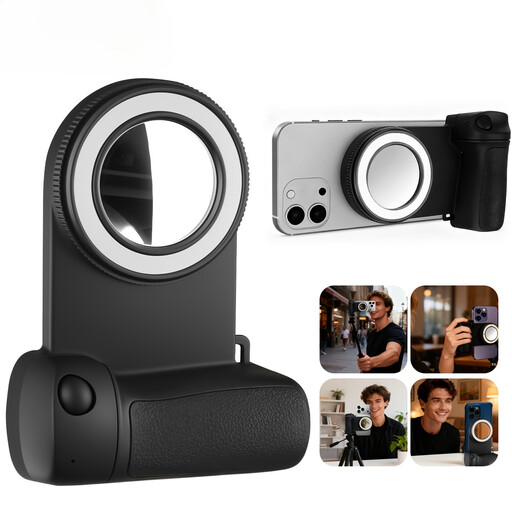
Yoever magnetic phone fill light with camera grip
According to the product description, this phone fill light is designed for mobile photography and product videos. The magnetic mount requires a compatible smartphone or case.
The description lists three colour temperatures, adjustable brightness and a rechargeable 750-mAh battery. According to the title, the package includes a Bluetooth shutter, selfie mirror and Type-C battery.
View at Joybuy
 No image available
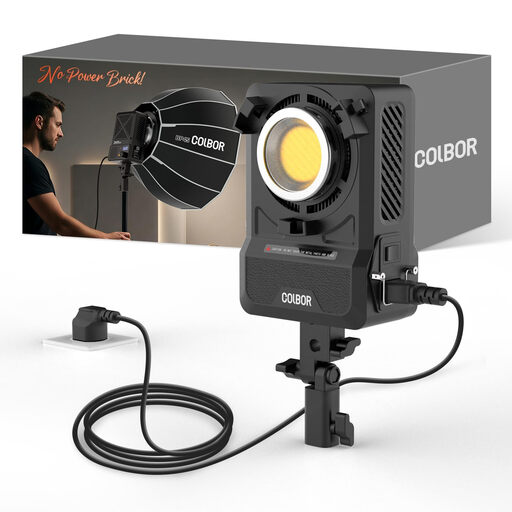
COLBOR 200W bi-colour COB LED video light, 2700–7000 K, Bowens mount
This bi-colour COB light is worth considering if you want to supplement window light with adjustable continuous lighting and a modifier attached via the Bowens mount.
The product title specifies 200 W, 2700–7000 K and a Bowens mount. The description lists a built-in power supply and mains operation via a cable. Check which light modifier and accessories are included with your chosen version.
View at Joybuy
 No image available
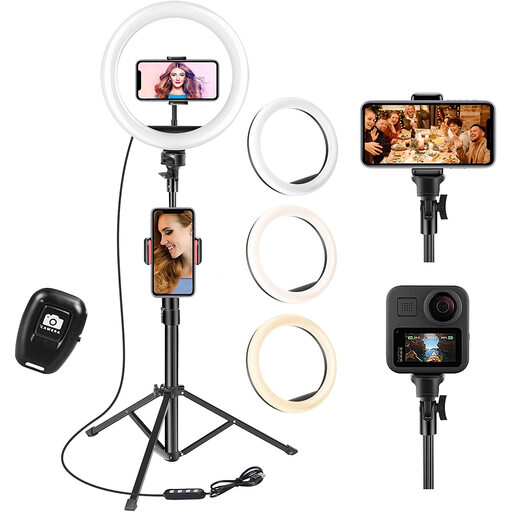
10-inch ring light with 63-inch stand
According to the product description, this ring light is designed for photography and video. Check whether its ring-shaped light source gives you the reflection you want on the mug.
The title lists a 10-inch ring light, remote control and 63-inch stand. The description specifies three colour temperatures and ten brightness levels.
View at Joybuy
 No image available
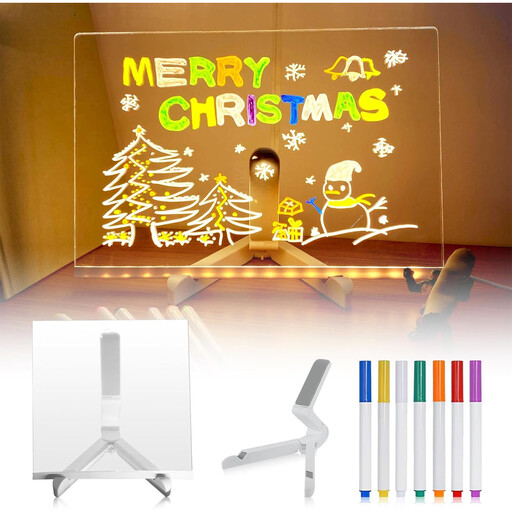
Transparent LED acrylic drawing board with J-95 stand
The product title describes this item as an acrylic drawing board, not a video light. Check whether a drawing board is actually suitable for your photography setup.
The title lists transparent acrylic, a J-95 stand and a coloured pencil.
View at Joybuy
 No image available
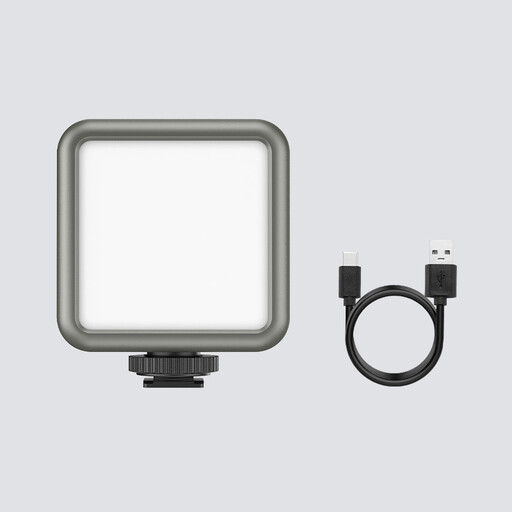
Ulanzi VL49 RGB video light, 2500–9500 K, 2000-mAh battery
According to the product description, this compact light is designed for product and macro photography. Use it as an accent once the main lighting for your mug is right.
The description lists adjustable colour temperature and brightness, RGB modes and a built-in 2000-mAh battery.
View at Joybuy
Frequently asked questions
How should I position the light if the glaze has bright spots?
First, change the position of the mug, window or additional light, and the camera. Try a larger diffused light source and check the reflection before taking the photo. A reflector on the shadow side may be enough before you switch on a second light.
How can I keep colours consistent across several photos?
Set a consistent colour temperature and suitable white balance, and check the mug again when the window light changes. An adjustable Kelvin setting on the light alone won’t guarantee identical glaze colours.
What should I bear in mind about accessories and statutory warranty?
Check what’s included with the specific version: you may also need a light modifier, a compatible mount or adapter, a stand and, where applicable, a battery or power bank. Verbraucherzentrale distinguishes the statutory warranty provided by the seller from a voluntary guarantee, and states that sellers are generally responsible for goods being free from defects at the time of delivery for two years.
What are the rules on CE marking and disposal in Germany?
For an electric light sold on the EU market, the applicable product regulations are the ones that matter. Bundesnetzagentur lists correct CE marking, manufacturer details and the required German-language information among the points to check. CE marking is not an independent quality mark. End-of-life electrical equipment must be taken to an authorised collection point or, subject to the applicable conditions, a retailer required to take it back. It must not go in household waste.


