What should you look for when buying?
First, decide whether you mainly need fridge space for containers for a family meal, or whether you regularly plan to freeze extra portions. Then compare the appliance dimensions and annual energy consumption with your actual needs.
| Priority |
What to check |
Who is this important to? |
| Fridge space for leftovers you’ll serve soon |
Consider fridge capacity separately from freezer capacity, and check that the shelves fit your containers. |
If you need space for several shallow containers for a family meal, usable fridge space is the priority. Around 36% of consumers prioritise this. |
| Freezer space for meals later |
Check the freezer capacity, the model’s four-star suitability and its stated freezing capacity. |
If you regularly cook extra and want to freeze portions for later meals, you’ll need enough usable freezer space as well as fridge space. Around 29% of consumers put this need first. |
| Fit for your chosen location |
Check the height, width and depth, as well as the space needed to open the door and drawers where you plan to place the appliance. |
In a compact kitchen, it’s important to be able to use the doors and drawers properly in the available space. Around 21% of consumers prioritise a good fit. |
| Ongoing electricity use |
Compare the EU energy label, kWh/year and separate capacity figures for appliances with the right usable capacity. |
If you’re particularly concerned about running costs, compare annual energy consumption and the appliance size you need. Around 14% of consumers put this first. |
Joybuy products at a glance
These fridge-freezers offer options for chilled leftovers and extra freezer space. Compare the details for each model with the space you need, the available dimensions and how much you plan to freeze.
 No image available
LG GBBSJ1CCPY, 333 l, No Frost, energy efficiency class C
An option if you need freezer space for portions to enjoy later as well as room for chilled leftovers.
Listed specifications include a total capacity of 333 l and energy efficiency class C; the product name also mentions No Frost.
View at Joybuy
 No image available
Exquisit KGC5232-60-E-040C inoxlook-az, 173 l, four-star freezer compartment
An option if you’re looking for a compact fridge-freezer for chilled leftovers and portions to enjoy later.
The product name lists a total usable capacity of 173 l and a four-star freezer compartment.
View at Joybuy
 No image available
LG GBBS727AEV Fit&Max, 375 l, energy efficiency class A
An option if you need extra freezer space as well as room for chilled leftovers.
The product name lists a total capacity of 375 l and energy efficiency class A. Compare the annual energy consumption and compartment layout with your actual needs.
View at Joybuy
 No image available
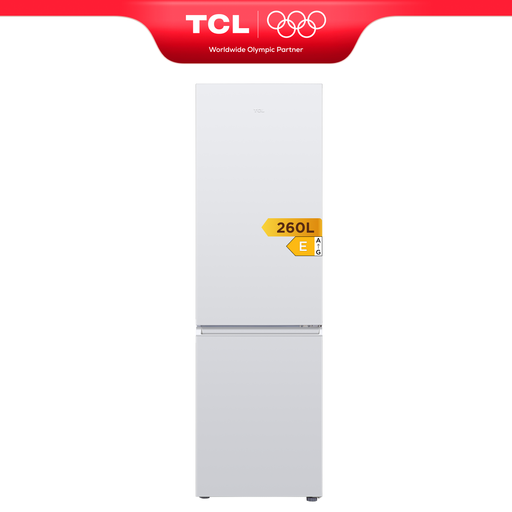
TCL RF338BWE0DE, 187 l fridge space, 73 l freezer space, energy efficiency class E
An option if you want to compare the listed fridge and freezer capacities separately with your containers and food supplies.
The product name lists 187 l of fridge space, 73 l of freezer space, 55 cm and energy efficiency class E.
View at Joybuy
 No image available
CHiQ JR263LGE, 262 l, Low Frost, 70/30, black
An option if you need to accommodate chilled leftovers and extra portions in the freezer.
The product name lists a total capacity of 262 l, a 70/30 split, a width of 54 cm and a height of 176 cm.
View at Joybuy
Frequently asked questions
How long can cooked beetroot be kept in the fridge as leftovers?
The Federal Institute for Risk Assessment recommends cooling leftovers quickly, keeping them in the fridge and eating them within two to three days. You can divide larger quantities between several shallow dishes to help them cool. This is a food hygiene tip, not a guarantee that every recipe will keep for that long.
What should I check if I’ll be eating portions later?
Check the specific appliance’s four-star suitability and stated freezing capacity. Label suitable containers with their contents and the date they were frozen; NoFrost alone doesn’t tell you how well the appliance freezes food.
How can I compare the energy consumption of different appliances?
For appliances with the right fridge and freezer capacities, compare the stated kWh/year. To estimate your own costs, multiply the difference in kWh/year by your electricity price in euros per kWh. Actual consumption also depends on how and where the appliance is used.
What information does the EU energy label show for fridges?
For household refrigeration appliances covered by EU energy labelling, the label shows information including the energy efficiency class from A to G, annual energy consumption, capacity and noise levels. It isn’t a special certification for storing cooked beetroot.
What should I do with my old fridge?
Old electrical appliances must be collected separately. The German Environment Agency lists local collection points and designated retailers as return options. Before ordering, check whether the specific offer includes taking away and removing your old appliance when the new one is delivered.


