What should you look for when buying?
If you’re making beetroot juice for guests, start by deciding what matters most: serving several glasses quickly, juicing different vegetables, making cleaning easier or choosing an appliance for occasional use.
Centrifugal juicer
A better fit if: you want to make several servings shortly before your guests arrive and don’t mind a noisier appliance.
Things to weigh up: ETM TESTMAGAZIN describes centrifugal juicers as faster with larger quantities, but also louder. Beetroot juice yield depends on the specific model and ingredient.
Slow juicer
A better fit if: you want to juice other ingredients, including some fibrous ones, and are happy to allow more time for processing.
Things to weigh up: The type of juicer alone does not demonstrate a particular beetroot juice yield or any health benefit from the juice. Check the instructions and the strainer for the specific model.
| What matters |
What to check when buying |
Who is it important to? |
| Several servings |
Juice and pulp container capacity, feed chute and instructions for hard ingredients. |
If I want to serve several glasses in good time, I look for a speedy process and suitably sized containers. Around 36% of consumers put speed first when hosting guests. |
| Yield and variety of ingredients |
Juicing method, permitted ingredients and cutting instructions; don’t assume general claims about yield apply to beetroot. |
If I want to use the juicer for different vegetables too, I compare the ingredient requirements and accept that processing may take longer. Around 29% of consumers prioritise yield and variety of ingredients. |
| Cleaning |
Which parts need to be taken apart, which are dishwasher-safe and how easy the strainer is to clean. |
If I only juice occasionally, I want to know how much work is involved after my last glass. Around 21% of consumers base their choice mainly on how much cleaning is required. |
| Occasional use |
Which features you actually need and what the warranty terms cover for individual parts. |
If the appliance will only be used occasionally, I don’t want to pay for features I’ll hardly use, and I want to understand the warranty terms. Around 14% of consumers are mainly looking for an appliance for occasional use. |
Joybuy product options
This selection includes centrifugal and slow juicers for making juice. Check the beetroot requirements and the exact version on sale for each model.
 No image available
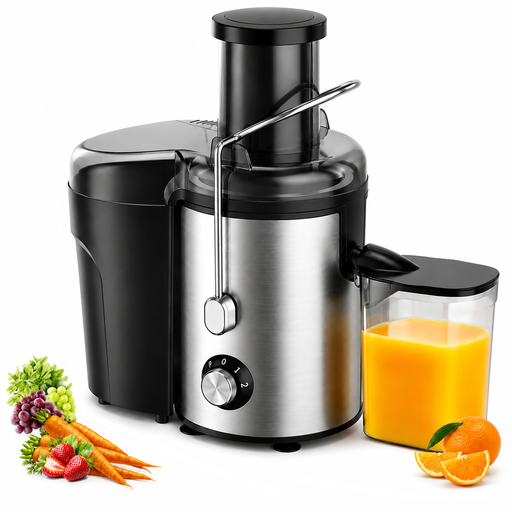
Centrifugal juicer, 600 W, 75 mm
This centrifugal juicer is an option if you want to make juice quickly for guests.
The title lists 600 W, a 75-mm feed chute and a stainless steel finish. The description says the appliance has two speed settings.
Joybuy
 No image available
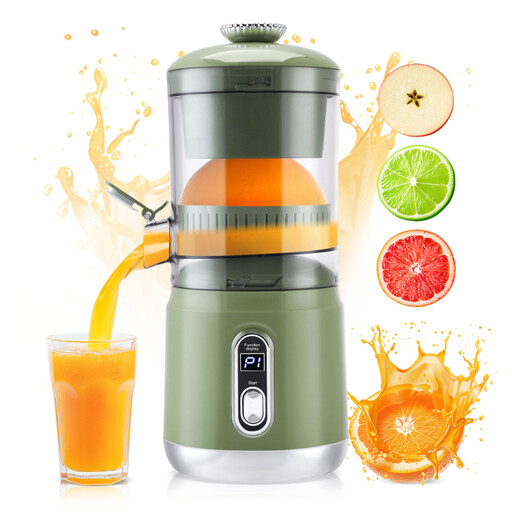
Slow juicer with three speed settings
An option if you want to consider a slow juicer and prepare beetroot according to the appliance’s instructions.
The description lists hard beetroot slices as a suitable ingredient, three speed settings and a removable system with just a few components. The title also mentions travel and camping as possible uses.
Joybuy
 No image available
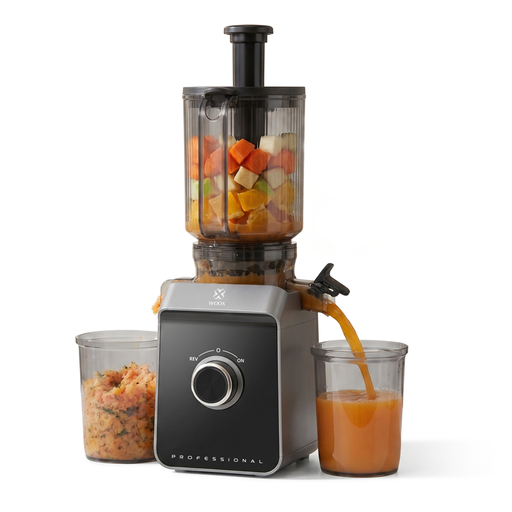
WOOX MX0289 slow juicer, 150 W
This slow juicer is an option if you want to check whether the stated wide feed chute and container capacities suit your needs.
The title lists 150 W and a 130-mm feed chute; the description lists a 600-ml juice cup and an 836-ml pulp container. According to the product description, run the appliance for no more than 10 minutes at a time, then let it cool for 20 minutes.
Joybuy
 No image available
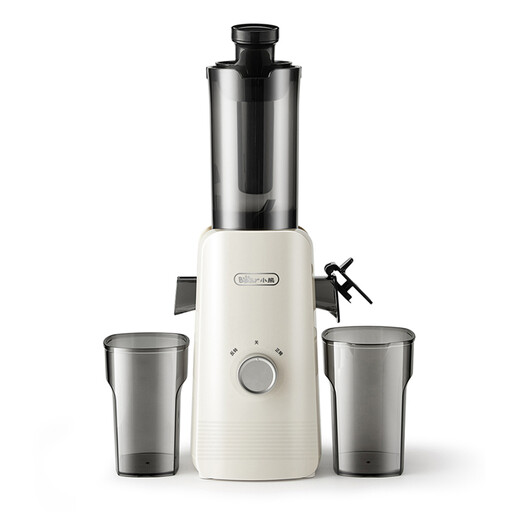
Bear YZJ-F01D6 slow juicer, 1 l
An option if you’re considering a slow juicer with a 1-l capacity listed in the title.
The description lists an 80-mm feed chute and three components. Check the instructions to see which parts can be taken apart to suit your cleaning routine.
Joybuy
 No image available
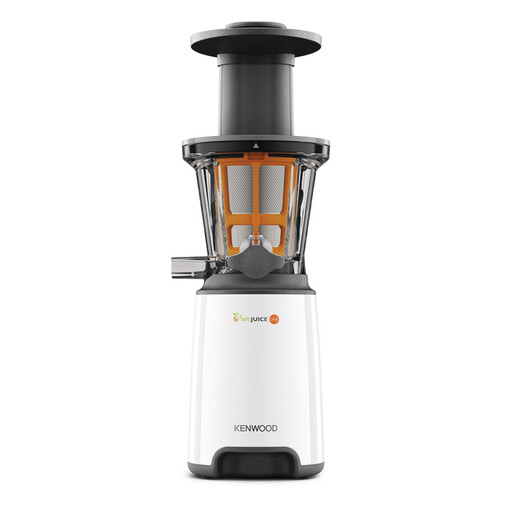
Kenwood JMP400WH slow juicer, white
An option if you want to compare container capacities and the cleaning function on offer.
The description lists a 700-ml juice jug, a 1.3-l pulp container, a rinse function and a cleaning brush.
Joybuy
Frequently asked questions
Do I need to prepare beetroot before juicing?
Wash raw ingredients thoroughly. Washing and, where appropriate, peeling can reduce the number of germs, but won’t remove them completely. How small you need to cut the beetroot depends on the instructions for your specific appliance, not just the advertised feed chute width.
Can I make the juice well in advance of my guests arriving?
Make the juice as close to serving time as possible, and keep prepared raw ingredients and anything made from them chilled. The German Federal Institute for Risk Assessment advises keeping cut raw produce and products made from it chilled and using them quickly. This is not a storage-life recommendation for freshly pressed beetroot juice for any specific appliance.
Is it safe for all guests to drink a lot of beetroot juice?
Beetroot can contain high levels of nitrate. The German Federal Institute for Risk Assessment recommends eating a varied range of vegetables; don’t rely on juicing to remove nitrate.
What applies if there’s a fault: the warranty or statutory rights?
Statutory rights apply against the seller; a manufacturer’s warranty is voluntary and subject to its terms. If a long warranty is advertised, check in particular whether strainers, seals and containers are covered.
What product marking is relevant for an electric juicer in Germany?
Electric juicers within the voltage range specified by the EU Low Voltage Directive must meet the relevant safety requirements and carry the CE marking. EUR-Lex gives the scope as 50 to 1,000 V AC; the European Commission explains that the marking is a declaration by the manufacturer, not an independent quality mark. Check the marking on the specific version being sold.


