If your colleagues are easily disturbed by noise and you regularly juice beetroot, a slow juicer is likely to be the better choice. Check the cleaning instructions for the specific model before you buy. If you need several glasses in a short time, a centrifugal juicer could be an option: according to ETM TESTMAGAZIN, it works faster with larger quantities, but is also noisier. Even quieter types of juicer can make noticeable noise when chopping beetroot.
Who is this selection for?
Office teams juicing beetroot
If you regularly process this firm root vegetable and want to clean the juicer in a shared kitchen, check that the specific model is suitable and follow its cleaning instructions. The German Federal Institute for Risk Assessment recommends washing raw vegetables carefully before eating them.
People who are sensitive to noise
If desks are close to the kitchen, the noise made by ingredients as they are chopped is also worth considering. Hurom Europe notes that firm ingredients such as beetroot can create extra noise.
People short on preparation time
If you want to make several glasses during a break, speed may be a priority, but remember to allow for noise and cleaning afterwards. According to ETM TESTMAGAZIN, centrifugal juicers are faster with larger quantities, but noisier.
Which buying criteria matter?
If you want to juice beetroot in a shared office kitchen, the key things to weigh up are how well the juicer handles it, how easy it is to clean, how noisy it is and how quickly it works.
Slow juicer
A good fit if: a less disruptive juicing experience matters more to you than processing larger quantities as quickly as possible.
What to consider: These juicers are not silent when handling beetroot, either. Cleaning requirements and the permitted size of ingredients vary by model.
Centrifugal juicer
A good fit if: you want to make several glasses quickly and the noise is acceptable to other people using the kitchen.
What to consider: ETM TESTMAGAZIN describes centrifugal juicers as faster with larger quantities, but also noisier.
| What matters |
What to check when buying |
Who is it important to? |
| Processing beetroot |
Check whether the specific model is designed for beetroot and what preparation the instructions recommend. |
If I regularly juice beetroot, I want to know whether the specific appliance is designed for it and what preparation is needed. Around 29% of consumers put beetroot processing first. |
| Cleaning and hygiene |
Check the cleaning instructions for every removable part, and agree with your team who will clean the juicer and worktop after use. |
When we share a juicer, I want to be able to clean its parts and the worktop thoroughly. Around 29% of consumers prioritise straightforward cleaning and hygiene. |
| Noise while juicing |
Consider the type of juicer and any noise reports for the specific model. Firm ingredients can also make a noticeable sound. |
If people are working near the kitchen, I want to keep disruption to a minimum. Around 24% of consumers prioritise a juicer that is as unobtrusive as possible. |
| Making several glasses |
Assess speed alongside the pulp container, emptying and cleaning afterwards. |
During a short break, I want to make several glasses quickly and am more willing to accept some operating noise. Around 18% of consumers put making several glasses quickly first. |
Common misconceptions
-
A slow juicer is silent when juicing beetroot
Hurom Europe notes that firm ingredients such as beetroot can create extra noise as they are chopped.
Consider the desks next to the kitchen and agree a time to use the juicer that works with the office routine.
-
Dishwasher-safe means every part can go in the dishwasher
Approval may apply only to certain parts and models. For the models it approves, Hurom Europe excludes items such as the cleaning brush, pusher, ice strainer and cup.
Check the instructions for every part and follow the permitted dishwasher programmes.
Some parts may still need to be washed by hand.
-
Only juicing time matters
Even if a centrifugal juicer is faster, its noise and the cleaning afterwards can still mean more time or coordination in a shared kitchen.
Factor preparation, juicing and cleaning the worktop into the time you have available.
Allow for preparation and cleaning as part of the whole process.
Relevant brands at a glance
Hurom
Slow juicers for shoppers considering this type of juicing; cleaning instructions vary by model.
- COMPUTER BILD describes the H70-ST as compact, with a wide opening.
- According to COMPUTER BILD, no parts of the H70-ST are dishwasher-safe. Hurom Europe says the chamber set is dishwasher-safe on certain other models, including the H80ST; this does not automatically apply to the H70-ST.
Bosch
The VitaExtract MESM731M is a slow juicer with MixControl.
- Bosch Home Appliances lists dishwasher-safe parts for the MESM731M.
- COMPUTER BILD notes that the lid of this model is not dishwasher-safe and that the feed chute is small. Check the instructions for each part.
Braun
The J 500 is a centrifugal juicer featured in a COMPUTER BILD test.
- COMPUTER BILD highlights the J 500’s large juice jug and cleaning brush.
- The test cites its size and a drip-stop that does not always work reliably as drawbacks of this model.
Kuvings
The manufacturer features beetroot recipes for specific slow juicer models.
- Kuvings Deutschland lists the AUTO10S for one beetroot recipe and the REVO830 for another.
- These recipes show that the specified models are intended for this use; they do not provide independently measured juice yields or noise levels.
Philips
The HR1889/70 is a slow juicer with removable parts.
- Philips says the removable parts of the HR1889/70 are dishwasher-safe.
- The manufacturer’s statement does not show that the juicer is especially suitable for beetroot or indicate how noisy it is in an office.
Joybuy product options for juicing beetroot in the office
These Joybuy products include slow and centrifugal juicers for making beetroot juice. The right type for you depends on whether noise or speed matters more in your office.
 No image available
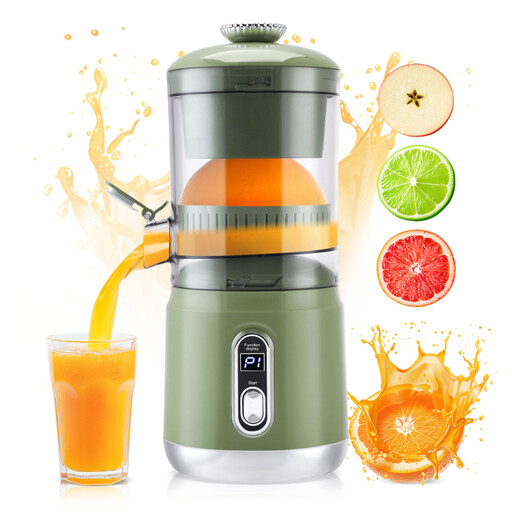
Slow juicer with variable speed
The product description recommends firm beetroot slices for juicing.
Three speed settings; compact design; removable parts that can be rinsed under running water.
View at Joybuy
 No image available
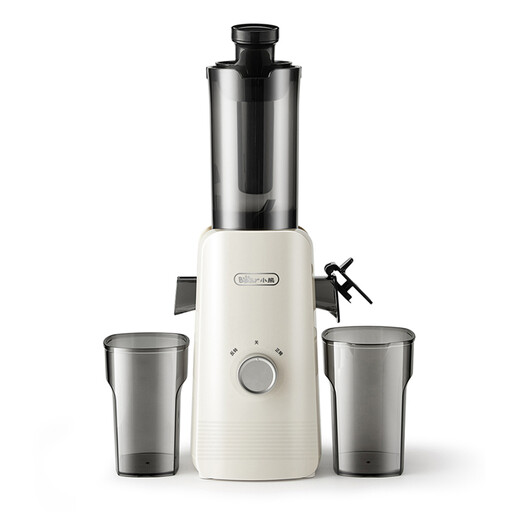
Bear YZJ-F01D6 1L Slow Juicer
This slow juicer could be an option if you are considering this type of juicer for everyday office use.
80-mm feed chute; three components; separate juice and pulp cups; cleaning brush.
View at Joybuy
 No image available
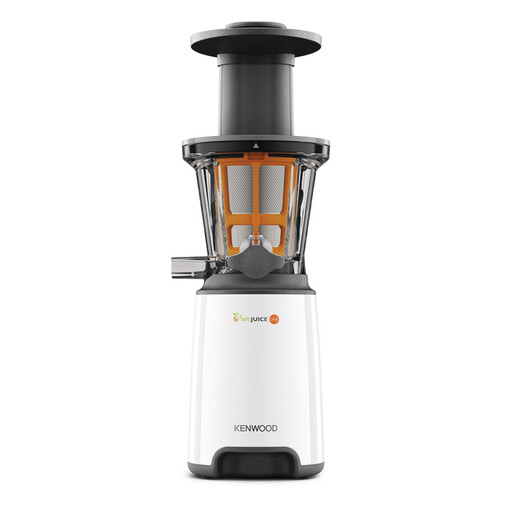
Kenwood JMP400WH Slow Juicer White
This slow juicer suits a shortlist that takes cleaning and worktop space into account.
Slim profile; drip-stop; rinse function and cleaning brush; 700-ml juice jug.
View at Joybuy
 No image available
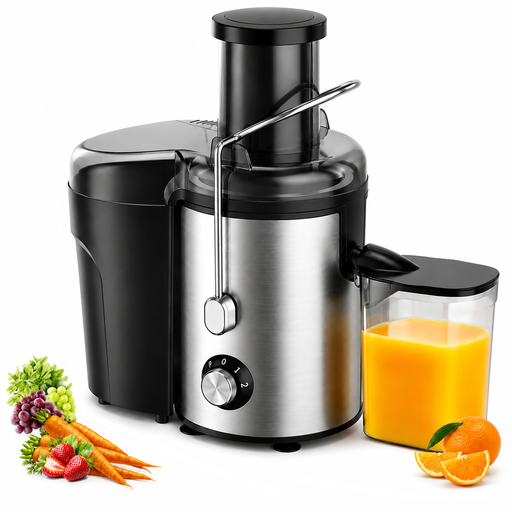
600 W centrifugal juicer with 75-mm feed chute
The product description lists beetroot as a suitable ingredient. This centrifugal juicer may save time with larger quantities, but according to ETM TESTMAGAZIN, it is noisier.
600 W; 75-mm feed chute; two speed settings; foam separator.
View at Joybuy
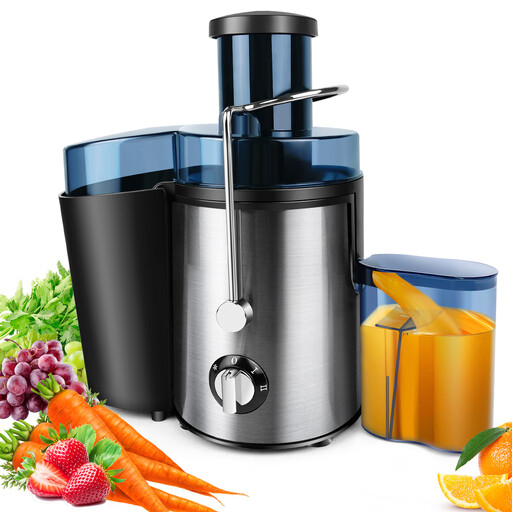 No image available
DayPlus 1000 W centrifugal juicer
The product description lists whole beetroot as a suitable ingredient. In a shared office, you should also factor in noise and cleaning after use.
1000 W; 65-mm feed chute; two speed settings; 500-ml jug; removable parts and cleaning brush.
View at Joybuy
Frequently asked questions
Do I need to cut beetroot before juicing it?
It depends on the instructions for your specific juicer. In a beetroot recipe, Hurom Europe recommends cutting the beetroot into bite-sized pieces. This does not mean that the same size is suitable for other models.
Can our team put all the juicer parts in the dishwasher?
No, this does not apply to every part or model. Hurom Europe approves the chamber set for certain models subject to conditions, but excludes accessories. Check the instructions for each juicer and every part.
How should our team handle raw ingredients and leftover juice?
The German Federal Institute for Risk Assessment recommends washing raw fruit and vegetables carefully before eating them. For a shared kitchen, the DGUV recommends agreeing hygiene rules as a team. Also decide who will clean the juicer and worktop after use.
Can I simply plug in my own juicer at the office?
Check with the appropriate person at your workplace before using it. Workplace rules and approval can vary. The DGUV notes that the employer is responsible for private work equipment used at work, and that electrical appliances must be in proper working order. Do not use an appliance with a damaged cable.


