A juicer for a quick break
If you want to make a portion of beetroot juice quickly, the feed chute, ease of use and clean-up afterwards all matter. Philips specifically lists beetroot as a suitable ingredient for the HR1856/70.


For a glass of juice during a short afternoon break, a centrifugal juicer is an obvious choice, provided the manufacturer lists raw beetroot as suitable for that specific model and the root fits through the feed chute. ETM TESTMAGAZIN describes centrifugal juicers as faster but louder when processing larger quantities. If you regularly juice mixed ingredients and have a little more time, a slow juicer may be worth comparing. Preparation and cleaning requirements vary by model for both types.
If you want to make a portion of beetroot juice quickly, the feed chute, ease of use and clean-up afterwards all matter. Philips specifically lists beetroot as a suitable ingredient for the HR1856/70.
If you juice beetroot regularly, including with other ingredients, compare the juicing method and the preparation needed. Hurom’s beetroot recipe recommends cutting it into pieces of around 4 cm.
If cleaning determines whether you use your juicer regularly, pay particular attention to the sieve, pulp container and removable parts. Bosch lists dishwasher-safe parts for the MES4010; always follow the instructions for your specific model.
A good fit if: you want to make a portion during a short break and the manufacturer confirms that the specific model is suitable for beetroot.
The trade-off: ETM TESTMAGAZIN describes centrifugal juicers as faster but louder when processing larger quantities. A wide feed chute only means you can skip pre-cutting if the whole root fits through it.
A good fit if: you regularly juice beetroot, including in mixed juices, and can take the time to do so.
The trade-off: In its comparison of juicer types, ETM TESTMAGAZIN describes slow juicers as slower and relatively quiet. Hurom’s recipe guide shows that beetroot may need to be cut into smaller pieces, depending on the appliance.
| What matters | What to check before buying | Who is it most important to? |
|---|---|---|
| Time from prep to glass | Check that the model is suitable for beetroot, measure the feed chute and find out whether pre-cutting is needed. Philips lists a 75-mm feed chute for the HR1856/70. | If I want to make a portion quickly during my afternoon break, the whole process matters, from preparation to rinsing up. Around 36% of consumers prioritise speed above all else. |
| Juicing performance and yield | Follow the model’s guidance on ingredients. Hurom’s beetroot recipe recommends cutting the root into pieces of around 4 cm. Compare yield figures only when the ingredients and conditions are comparable. | If I regularly juice beetroot, I want to know how the appliance handles this firm ingredient and what kind of yield will suit my needs. Around 29% of consumers prioritise juicing performance and yield. |
| Cleaning up after one portion | Check the instructions to see which parts are dishwasher-safe and how to clean the sieve. Philips describes the HR1856/70 sieve as QuickClean. | If I’m making just one glass, I don’t want cleaning the sieve and individual parts to take up most of my break. Around 21% of consumers prioritise ease of cleaning above all else. |
| Noise during your break | ETM TESTMAGAZIN describes centrifugal juicers as louder when processing larger quantities, while slow juicers are relatively quiet. For individual models, only measurements taken under comparable conditions are meaningful. | If other people are working or relaxing nearby, I want to take noise levels into account when choosing a juicer. Around 14% of consumers prioritise quiet operation above all else. |
Even a stated chute size needs to suit the root’s size and shape. The instructions for your specific model may recommend cutting ingredients before juicing.
Check the feed chute dimensions alongside the ingredient preparation guidance for the appliance.
Larger roots may take extra time to prepare.
When you’re making a single portion, cleaning is part of the total time. Dishwasher-safe claims only apply to the specific parts named.
Before buying, check how to clean the sieve and pulp container, and which parts the instructions say can go in the dishwasher.
A product name alone doesn’t reliably tell you how that particular appliance extracts juice.
Check the juicing method in the model description and look at the parts listed, rather than relying on the product title alone.
Worth considering if you’re comparing centrifugal juicers that are explicitly listed as suitable for beetroot.
Worth considering if you’re looking at a slow juicer for beetroot and mixed juices.
Worth considering if you’re comparing the feed chute, speed settings and cleaning requirements of the VitaJuice 4 MES4010.
Worth considering if you want to check the feed chute, speed settings and cleaning details of the NBJ100G.
Worth considering if you want to factor in the accessories included with the PureJuice JMP601SI.
The following Joybuy options include centrifugal juicers and slow juicers, catering for different approaches to preparing beetroot. Check the instructions for each model to see how to prepare ingredients and clean the appliance.
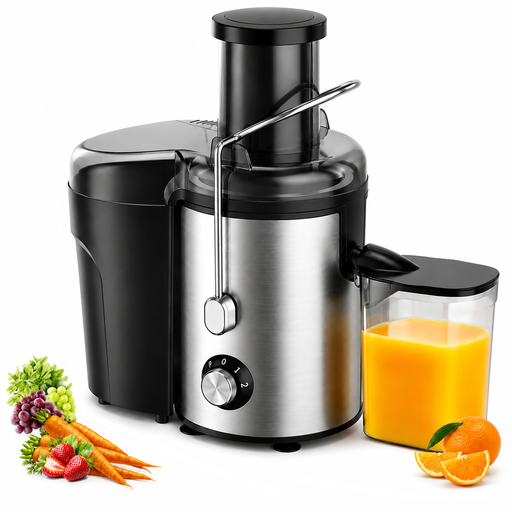 No image available
This model could be a good option for a quick glass of beetroot juice; the product details list beetroot as suitable for the high-speed setting.
600 W; 75-mm feed chute.
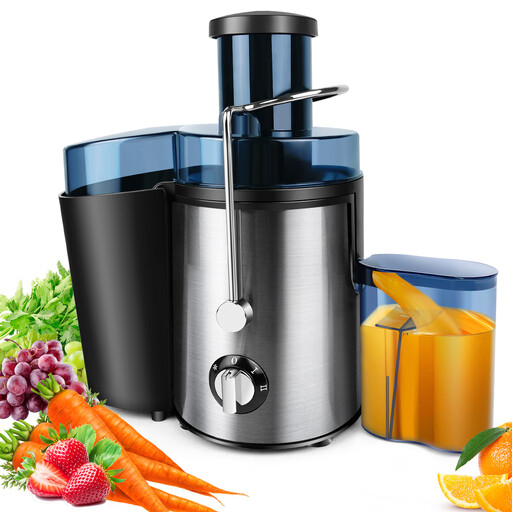 No image available
The product details list beetroot and a 65-mm feed chute. Check that the root will fit through the chute and that the preparation guidance allows it.
1000 W; 65-mm feed chute; two speed settings; 500 ml capacity.
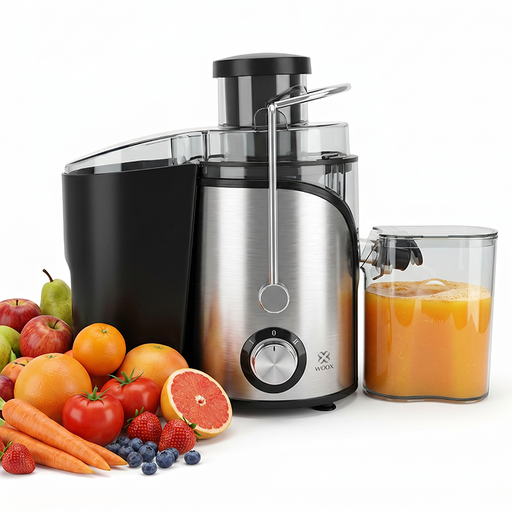 No image available
Before juicing beetroot, check whether the instructions for this specific model allow raw ingredients and what preparation is needed.
600 W; wide feed chute according to the product name.
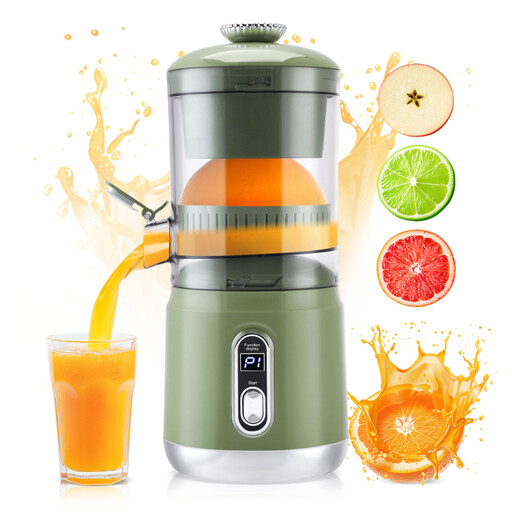 No image available
This type of appliance could be a slower alternative for juicing beetroot pieces; check the piece size and ingredient guidance for the specific model.
Slow juicer design; variable speed settings according to the product name.
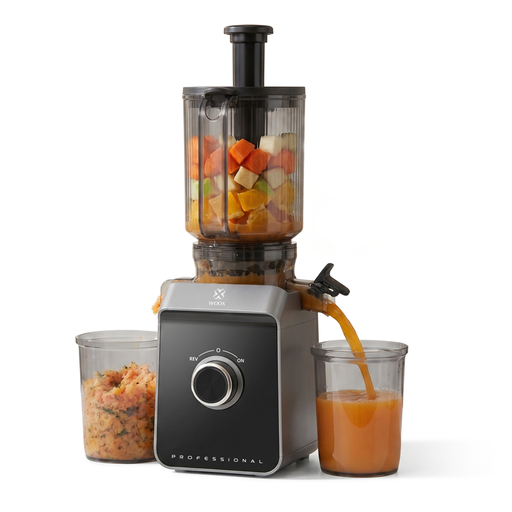 No image available
The 130-mm feed chute may affect how much preparation is needed, but check the model instructions to see what size of root it can take.
130-mm feed chute. According to the product description, use continuously for no more than 10 minutes, then allow it to cool for 20 minutes. Clean removable parts with warm water and a soft cloth, according to the description.
It depends on the appliance and the size of the root. Philips lists a 75-mm feed chute and beetroot as a suitable ingredient for the HR1856/70; Hurom’s recipe guide recommends cutting beetroot into pieces of around 4 cm for one recipe. Always follow the instructions for your specific model.
The German Federal Institute for Risk Assessment notes that raw fruit and vegetables that have been cut in advance can spoil more quickly. It recommends that particularly vulnerable groups use freshly washed ingredients and prepare them shortly before eating. Also follow the chilling and use-by guidance for pre-cut produce.
If a product is faulty, your statutory rights are against the seller; a voluntary guarantee is separate. The Verbraucherzentrale lists repair or replacement as possible first steps towards putting the fault right.
No. Covered electrical products must meet EU conformity and CE marking requirements, and the manufacturer is responsible for compliance. The European Union points out that the mark is not an independent endorsement of juice yield or processing speed.