People preparing meals for several working days
You want to prepare several lunch portions at once, so you need to consider not only the pot size but also space to chill the food and how you’ll transport it while chilled.


For regularly preparing batches of whole beetroot for lunch, a multi-cooker with an explicitly stated pressure-cooking function and sufficient usable capacity is a good option; a steam programme may be enough for peeled, diced beetroot. The German Federal Centre for Nutrition (BZfE) describes steaming diced beetroot as a quicker alternative to cooking whole roots. When choosing an appliance, also consider how pressure is built up and released, how easy it is to clean, and how to keep prepared portions safely chilled.
You want to prepare several lunch portions at once, so you need to consider not only the pot size but also space to chill the food and how you’ll transport it while chilled.
You want to decide whether pressure-cooking whole roots or steaming chopped beetroot fits better into your routine.
You’re weighing up batch size and extra cooking functions against worktop space and the effort involved in cleaning.
When choosing a multi-cooker for beetroot lunch boxes, the deciding factor is what matters most to you.
| Priority | What to check before buying | Who should pay particular attention? |
|---|---|---|
| Suitable cooking method | A clearly stated pressure-cooking or steaming programme, a suitable insert and instructions for releasing pressure. | If I’m preparing whole roots for several lunch boxes, I want to be able to distinguish clearly between pressure-cooking and steaming. The BZfE describes steaming diced beetroot as a quicker alternative to cooking whole roots. Around 33 % of consumers put choosing the right cooking method first. |
| Usable batch size | The usable capacity and fill limits of the specific model, rather than just the stated pot size; you’ll also need space in the fridge for the finished portions. | If I’m batch cooking for several working days, I base my choice on the amount the appliance can actually hold and its fill limits. Around 27 % of consumers prioritise a suitable batch size. |
| Cleaning | A removable inner pot and care instructions for the lid, valve and sealing ring. | If I cook beetroot regularly, I want to know which parts can be removed and how to care for the pressure components. Around 20 % of consumers put ease of cleaning first. |
| Worktop space and functions | Appliance dimensions, room to open the lid and allow steam to escape, and any extra programmes you’ll actually use. | If my kitchen has limited worktop space, I only want to pay for functions I’ll also use for other dishes. Around 20 % of consumers give particular weight to footprint and versatility. |
Manufacturers give different figures: the Rommelsbacher MD 1000 is listed with a 6-litre pot and 4 litres of usable capacity, while the Tefal CY754830 has a 5.0-litre capacity and 3.2 litres of usable volume. So the litre figure alone won’t tell you whether your planned batch will fit.
Compare the usable capacity and fill markings for the specific model with the amount you actually want to prepare.
If the usable capacity is too small, you may need to cook an extra batch.
Steaming and pressure-cooking are different functions. If you specifically want to pressure-cook whole roots, the description “multi-cooker” alone isn’t enough to confirm that it can do so.
Check the details for the specific model to see whether pressure-cooking is explicitly listed. For diced beetroot, the BZfE describes steaming as one possible cooking method.
A keep-warm function doesn’t remove the need to plan how you’ll store prepared lunch portions. The German Federal Institute for Risk Assessment (BfR) notes that the risk of microbial contamination increases the longer prepared food is stored.
Plan how you’ll keep food chilled from batch cooking until it’s eaten, independently of the appliance’s keep-warm function.
For chilled lunch boxes, you may need suitable containers, fridge space and an insulated bag for transport.
More programmes don’t automatically make an appliance easier to clean after cooking. F.A.Z. Kaufkompass described cleaning the Rommelsbacher MeinHans it tested as awkward; that assessment applies to this model.
Check the care instructions for each part that matters to you, and don’t give unused functions more weight than how easy the appliance is to handle after cooking.
The MD 1000 MeinHans offers pressure-cooking and steaming for anyone who wants to consider batch planning and clearly stated usable capacity.
The Turbo Cuisine CY754830 combines clearly stated pressure-cooking and steaming functions with dial controls.
The Duo range is another pressure-cooking option. The German Duo manual is useful for checking instructions on releasing pressure, adding water and fill limits.
WELT lists the OL650EU as a large-capacity multi-cooker option in one of its comparisons.
The multi-cookers and other cooking appliances below offer pressure-cooking or steaming options for different preparation methods. Check that their functions and usable capacity suit the batch you have planned.
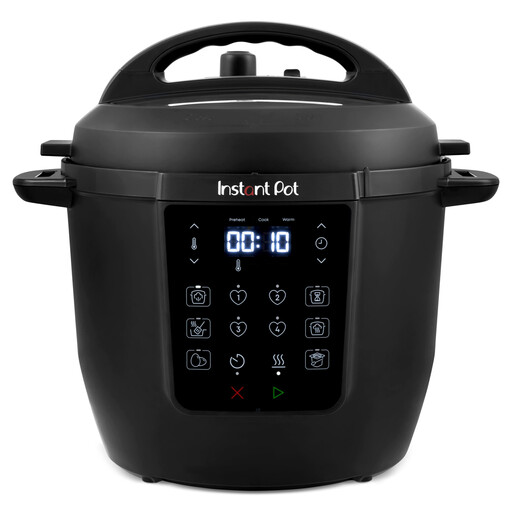 No image available
This model is worth considering if you want to pressure-cook whole roots.
The product name gives a capacity of 5.7 L. Follow the fill markings when pressure-cooking, and don’t open the lid until the pressure has been released fully.
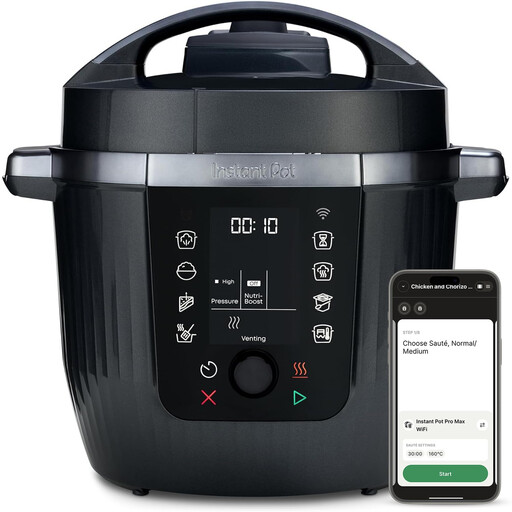 No image available
An option if you want to pressure-cook whole roots and use the additional cooking functions for other foods.
The product name gives a capacity of 5.7 L and a power rating of 1200 W. Check the fill instructions, and don’t open the lid until the pressure has been released fully.
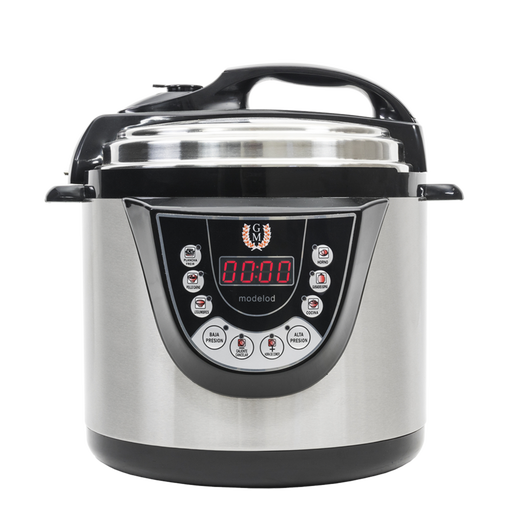 No image available
This model is worth considering if you’re looking for a clearly stated pressure-cooking option for larger batches.
The product name lists a capacity of 6 L, 9 cooking menus and 2 pressure settings, as well as frying and voice functions. Check the maximum fill level in the manual against the batch you have planned.
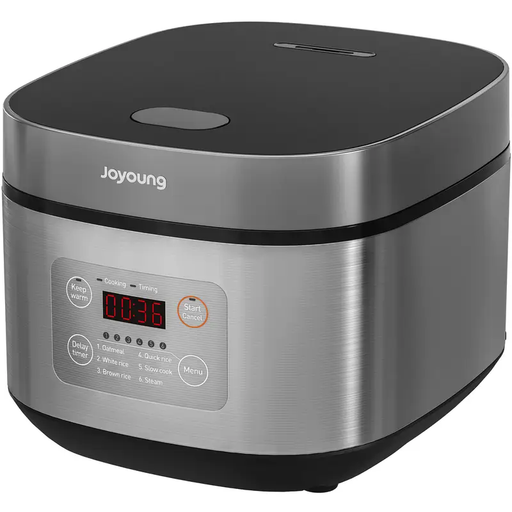 No image available
This appliance is an option for diced beetroot if you’re looking for a way to steam it and don’t need pressure-cooking.
The product name lists a capacity of 4 L, a power rating of 860 W and a Smart Timer. Check the programmes and how the steam vent works with your cooking routine.
 No image available
A steaming option for diced beetroot if dividing the food between several pots works for your preparation routine.
The product name lists a capacity of 4.1 L and Micro-Pressure Technology. The description gives a 2.5-litre main pot and four 0.4-litre inner pots, so the 4.1-litre figure isn’t the size of the main pot itself. Also check the exact cooking method before treating this appliance as a conventional pressure cooker.
No. The BZfE describes cooking whole roots in their skins and gives peeled, diced and steamed beetroot as a quicker alternative. The best method depends on how you plan to use the beetroot later; this doesn’t tell us a specific pressure-cooking time for the models mentioned here.
Compare the usable capacity and fill limits of each model, not just its stated capacity. Rommelsbacher lists a 6-litre pot with 4 litres of usable capacity for the MD 1000, while Tefal gives the CY754830 a capacity of 5.0 litres and a usable volume of 3.2 litres. These manufacturer figures help you compare the specific models, but you’ll still need to check them against the batch you have planned.
No. The pressure must be released fully before you open a pressure multi-cooker. The German instruction manual for Instant Pot Duo models warns against forcing the pot open; always follow the instructions and fill limits for your specific appliance.
Plan for chilling and transport; a multi-cooker’s keep-warm function isn’t a substitute for suitable storage. The German Federal Institute for Risk Assessment notes that the risk of microbial contamination increases the longer prepared food is stored. Make sure you have a way to keep it chilled during storage and transport.