
Lieferung heute & morgen

Qualitätsgarantie

Willkommens-Angebote freischalten: KOSTENLOSE Lieferung | Bis zu 80 % RABATT | Kostenlose 30-Tage-JoyPlus-Testphase
App herunterladen
The search for a new bike can quickly become overwhelming. Especially when buying a mountain bike or another specialised bicycle for adults, beginners are often faced with marketing promises and technical specs whose practical benefits are hard to judge. A bad purchase isn't just frustrating; it often leads to the bike being left unused. Before you make a decision, it's important to know the most common pitfalls.
Common Buying Traps and How to Avoid Them:
To make an informed decision, you should focus on a few crucial technical features. These determine whether a bike truly fits your needs.
Not every bicycle for adults is the same. The fundamental design determines its optimal area of use.
The braking system is a critical safety component. The two most common types for beginners and everyday cyclists are V-brakes and disc brakes.
The right size is crucial for riding comfort and efficiency.
Here are some models tailored to specific user profiles that help avoid common buying traps.

Why this model is a great fit: This bike is designed as a classic men's city bike and comes with everything needed for the daily commute or running errands in the city. The upright riding position is comfortable, and the full set of features—including a lighting system, mudguards, and a luggage rack—makes it ready to use right out of the box.
It avoids the "pro-gear" trap by forgoing expensive MTB components in favour of reliable, low-maintenance equipment for urban use. The V-brakes are perfectly adequate for this purpose.
A complete, everyday-ready setup, including dynamo-powered lights and front and rear luggage racks.

Why this model is a great fit: This hardtail mountain bike provides a solid foundation for first-time excursions on forest trails and gravel paths. The robust steel frame and suspension fork absorb shocks, while the mechanical disc brakes ensure the necessary safety on descents.
It bypasses the unsuitable braking system trap. Instead of V-brakes, it features a bike with disc brakes, which significantly increases control and safety on the trail in various weather conditions.
Dual disc brakes for reliable stopping power and a suspension fork for more comfort on uneven paths.
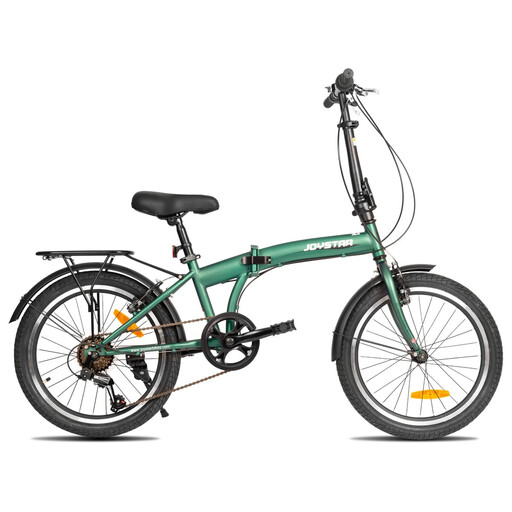
Why this model is a great fit: As a 20-inch folding bike, this is the solution for commuters with limited storage space or for those who want to take their bike on buses and trains. It's lightweight, compact, and still equipped with a 6-speed drivetrain for urban environments.
This bike solves the practical problem of handling and storage that often leads to a larger bike going unused. It's a pragmatic choice that aligns with the real-life circumstances of city living.
Compact folding mechanism for easy transport and storage, combined with a practical drivetrain for everyday use.
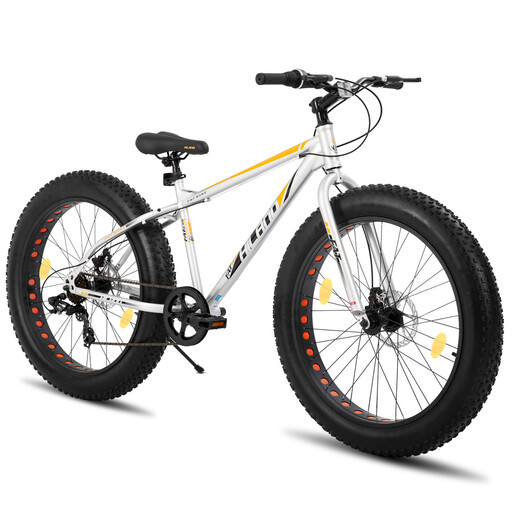
Why this model is a great fit: As a fat bike, this model is designed for riders who refuse to be stopped by difficult terrain. The 4.0-inch wide tyres provide traction on sand, snow, or muddy trails where standard mountain bikes reach their limits.
This bike prevents the disappointment that occurs when a standard MTB isn't up to the task for special conditions. It's a deliberate choice for a niche product that delivers high performance in its specific area of use.
Excellent traction and stability on loose and soft surfaces, thanks to the 4.0-inch fat tyres.
We have compiled a complete, up-to-date list of products that fully meet these strict selection criteria and German safety regulations.
The most important measurement is your inseam. Measure the distance from the floor to your crotch while standing upright. Multiply this value (in cm) by 0.66 for a mountain or trekking bike, and by 0.67 for a road bike. The result is a good guideline for the required frame height. Always compare this value with the specific manufacturer's recommendations.
For city-only and fair-weather riders, V-brakes are often sufficient as they are easy to maintain and more budget-friendly. However, anyone planning to ride in all weather conditions or go off-road should consider a bike with disc brakes. The consistent stopping power in wet conditions offers a significant safety advantage that justifies the moderate extra cost.
Every bike requires regular care. After the first 100-200 kilometres, an initial inspection should be carried out to tighten bolts and adjust the gears and brakes. After that, you should regularly check the tyre pressure, clean and lubricate the chain, and inspect the brake pads for wear. An annual service at a professional bike shop is recommended to ensure longevity and safety.