
Lieferung heute & morgen

Qualitätsgarantie

Willkommens-Angebote freischalten: KOSTENLOSE Lieferung | Bis zu 80 % RABATT | Kostenlose 30-Tage-JoyPlus-Testphase
App herunterladen
A small fridge needs to do more than simply fit into a nook. For households, students, people living alone, couples, offices and holiday lets, usable capacity, noise level, door opening direction and running costs all matter. The Beko TS190040N mini fridge is designed for people looking for a compact fridge without a freezer compartment that takes up little space.
However, it’s easy to make the wrong choice when comparing similar models. A narrow exterior doesn’t automatically mean bottles or food containers will fit comfortably inside. Claims such as ‘quiet’ or ‘energy-efficient’ should also be assessed against specific figures.
A fridge may look compact, but thick insulation, door compartments or an awkward layout can leave you with less storage space than expected. As well as checking the floor space it will occupy, look at its total capacity in litres and the number of shelves.
The Beko TS190040N fridge is listed as having a total capacity of 88 litres. Its dimensions are 81.8 × 47.5 × 50.0 cm (H × W × D), according to the product details. Before buying, remember to allow for skirting boards, overhanging worktops and the distance from the wall.
Noise matters more in an office, bedroom or studio flat than it does for a fridge in a separate utility room. The Beko TS190040N is listed at 38 dB. This gives you a useful figure to compare, but it’s still worth considering where the fridge will stand. Uneven floors, contact with a wall or vibrating objects can make it seem noisier.
A quiet fridge rated at 38 dB should therefore be placed on a stable, level surface. Leave enough space between the appliance and the wall for air to circulate.
The EU energy efficiency scale runs from A to G, so class E only tells you part of the story. It’s also important to consider the annual energy consumption. The Beko TS190040N is listed at 85 kWh per year. You can estimate the likely electricity costs using this formula:
Annual energy consumption in kWh × your electricity price per kWh = annual electricity costs
Actual energy use depends on factors including room temperature, how full the fridge is, the temperature setting and how often the door is opened. An energy-efficient class E fridge won’t automatically be the cheapest choice for every household; what matters is the combination of energy use, capacity and how you use it.
The Beko TS190040N is a mini fridge without a freezer compartment. Compared with a fridge-freezer, this leaves more room for chilled food and drinks, but there’s nowhere to store frozen food. This design can work well in an office, bedroom or holiday let, or as a second fridge.
If you regularly store frozen food, you’ll need a model with a separate freezer compartment or an additional freezer.
A reversible door is particularly useful in small kitchens and alcoves. According to the product description, the door can be hinged on either the left or right, depending on your room layout. Before installation, check that the door can open fully and that the preferred hinge position will work where you plan to place the fridge.
According to the product details, the interior includes three glass shelves, each supporting up to 25 kg, as well as a transparent salad drawer. Glass is relatively easy to clean when used correctly. However, avoid placing heavy bottles on a small area of a shelf.
The LED interior lighting makes it easier to see what’s inside. Automatic defrosting reduces the amount of manual maintenance needed, but you’ll still need to clean the interior, door seal and accessible drainage areas regularly.
The selection below groups the products provided by different usage scenarios. Only the Beko TS190040N is a fridge. The other products are designed for different purposes and shouldn’t be considered as alternatives to a fridge.
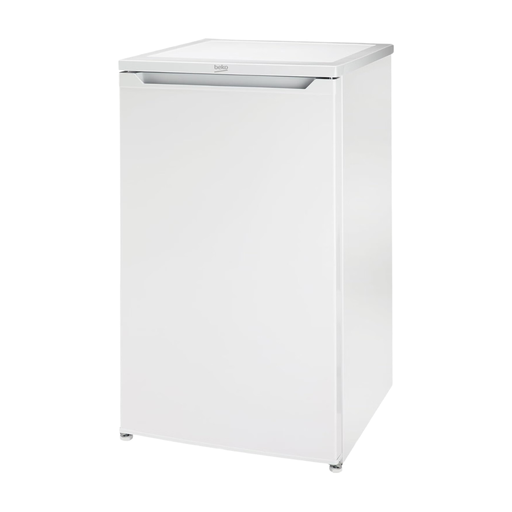
Why this product suits this profile: A freestanding fridge with an 88-litre capacity for small kitchens, offices, bedrooms or use as a second fridge.
Specific details on its 88-litre capacity, 38 dB noise level, 85 kWh annual energy consumption and external dimensions make it easier to compare like for like.
88 litres, reversible door, three glass shelves, LED interior lighting and automatic defrosting.
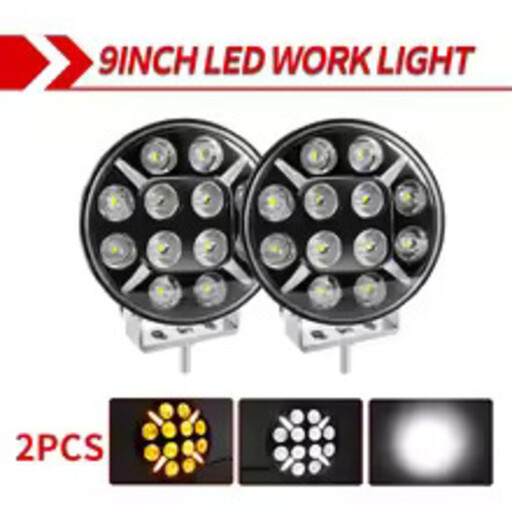
Why this product suits this profile: This product is for vehicle owners and isn’t a fridge. It’s only suitable if you need a separate lighting product.
Its clear intended use helps prevent you from mistakenly choosing a vehicle light as a household appliance.
12–24 V DC, an IP68 rating and various light modes, according to the product description.

Why this product suits this profile: For people with a specific leisure interest. It isn’t a cooling appliance and won’t replace a small fridge.
Its clearly defined product category helps prevent confusion with household appliances when deciding what you need.
Four wheels, plus lights and display elements according to the product name; not relevant to fridge buyers.
We’ve put together a complete, regularly updated list of products that meet these strict selection criteria and fully comply with the safety regulations in force in the EU.
Place the appliance on a stable, level surface and, according to the product details, leave around 5 to 10 cm of space at the sides and back for ventilation. Keep it away from radiators and ovens, and out of direct sunlight.
After delivery, leave the fridge upright for several hours before plugging it in. Before filling it, clean it with a soft cloth and mild detergent. Let hot food cool to room temperature first. Keeping the door seal clean helps the fridge run consistently.
The product details give a noise level of 38 dB. Whether that feels comfortable in a bedroom depends on the room’s acoustics, the floor and your personal sensitivity to noise. Placing it level and leaving enough space from the wall can help reduce unwanted vibrations.
No. The Beko TS190040N is a mini fridge without a freezer compartment, with 88 litres of chilled storage. You’ll need a separate freezer for frozen food.
The listed energy consumption is 85 kWh per year. Your annual costs will depend on this figure and your individual electricity tariff. Actual consumption may vary depending on the ambient temperature, how full the fridge is, the temperature setting and how it’s used.