
Lieferung heute & morgen

Qualitätsgarantie

Willkommens-Angebote freischalten: KOSTENLOSE Lieferung | Bis zu 80 % RABATT | Kostenlose 30-Tage-JoyPlus-Testphase
App herunterladen
A bento lunch box should keep food separate, hygienic and easy to carry. For commuters, pupils, parents and travellers, the choice isn’t just about colour or capacity. What matters is whether the box suits your day-to-day needs. Does it need to fit in a rucksack? Will you be carrying liquids? Can it go in the dishwasher? Or do you need an insulated cooler for picnics and camping?
As Joybuy’s Product Recommendation Officer, I assess product information against practical criteria and match products to different uses. This can help you avoid common buying mistakes.
A lunch box with compartments keeps different foods separate, but it won’t necessarily stop liquids from leaking. Removable inserts and multiple compartments are handy for sandwiches, fruit, sides and snacks. For soups, sauces and dressings, however, check that the product specifically says the lid, seal and fastenings are suitable for liquids.
For a leakproof lunch box, features such as a full-perimeter seal, secure fastenings and a suitable internal layout are important. If this information isn’t provided, it’s best to carry the box flat in your rucksack.
A 1.5-litre box may suit a long working day or a larger meal, but it takes up more space and is usually heavier. A more compact lunch box for children is often enough for school or a short break. Depending on what they’re carrying, adults may need a lunch box for adults with enough room for a main meal, fruit and a snack.
That’s why it’s important to check more than just the capacity in litres: look at the external dimensions and weight too. A 900 ml box may be enough for one meal, while a 1.5-litre option gives you more flexibility for leftovers or several different foods.
Plastic, stainless steel and insulated hard shells each have different uses:
Whatever the material, check that it’s suitable for food contact, read the cleaning instructions and confirm what’s included. A BPA-free label may also be useful, but it doesn’t replace checking the product’s specific instructions for use.
For sandwiches, chopped vegetables and snacks, a simple bento box with two to five sections is often enough. More compartments make it easier to keep foods separate, but can reduce the space available for larger portions. Removable containers offer extra flexibility, as you can clean and fill them individually.
For meal prep, a meal prep box with clearly defined portions or several separate containers can be a good choice. If you mainly take leftovers from the night before, check the internal height so larger pieces of food won’t get squashed.
Double fastenings can hold the lid evenly in place. The seal should fit all the way around and, where the manufacturer allows, be removable for cleaning. With a standard bento lunch box for dry foods, the main priority is keeping foods separate. For liquids, clear information from the manufacturer about leak resistance matters more than simply having lots of compartments.
A dishwasher-safe box can make everyday cleaning easier. Even so, check seals, cutlery compartments and gaps regularly, as food can collect in them. When using a microwave, bear in mind that lids and fastenings often can’t be heated. Always follow the instructions for the specific product.
For longer outings, an insulated cool bag or camping cooler may be a better choice than a standard lunch box. This is especially true in warm weather or when carrying perishable food.
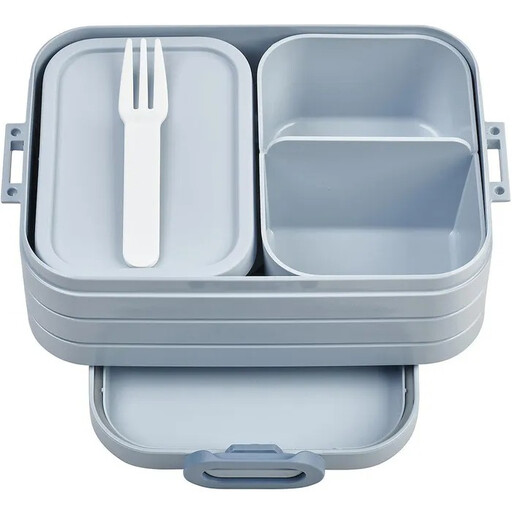
Why this product suits this profile: This 900 ml bento box is designed for individual meals, breaks and the daily commute to work or school. Two separate inserts and an additional compartment with a fork help organise your food.
The stated capacity and dimensions of 185 × 120 × 65 mm make it easier to judge whether the box will fit in your bag or rucksack. The inserts keep foods separate, but according to the product description they aren’t suitable for the freezer.
Dishwasher-safe, BPA-free and supplied with removable bento inserts and a fork.
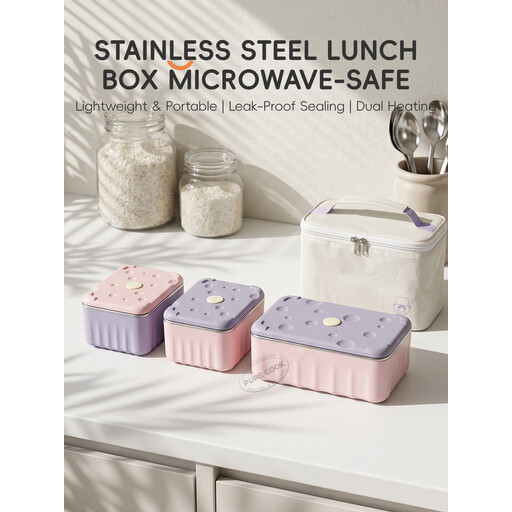
Why this product suits this profile: This 304 stainless steel set is for anyone who wants to carry several separate portions for work, school or meal prep. An insulated bag is included.
The specific 304 material grade is more informative than a general description such as “metal”. Before buying, check the details on seals, dishwasher suitability and the thermal insulation of each container.
304 stainless steel, double-wall construction according to the product name, and three containers supplied with an insulated bag.
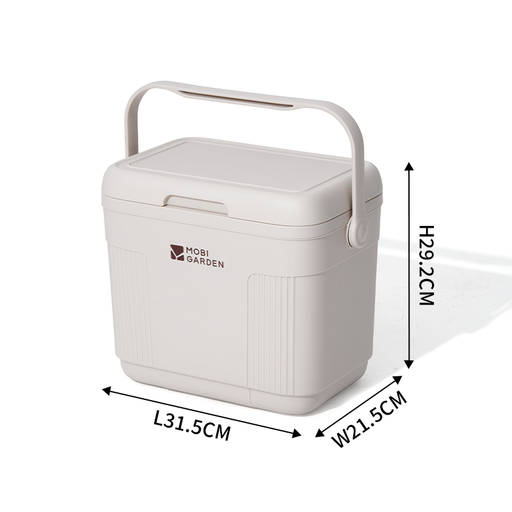
Why this product suits this profile: For picnics, camping, fishing and car journeys, this 10-litre camping cooler offers more space than a regular bento lunch box. The hard shell is designed for either chilled or hot food, not for carrying both at the same time.
Use the cooler with pre-chilled contents and cooling elements. It doesn’t actively cool food. To achieve the stated cooling time of 16 to 40 hours, use it with a suitable ice pack, leave as little empty space as possible and avoid opening it too often.
10-litre capacity, PU insulation layer, PP hard shell, integrated carry handle and lid seal.
We’ve put together a complete, regularly updated list of products that meet these strict selection criteria and the safety regulations in force in the EU.
Only carry liquid foods if the manufacturer confirms that the product has a suitable seal and is leakproof. It also helps to keep the box upright, close all fastenings fully and carry sauces in a separate, tightly sealed container.
Its lifespan depends on the material, fastenings, seal and care. Scratches, warping, seals that have become permanently porous or damaged fastenings can affect how well it performs day to day. Cleaning it after every use and following the temperature guidance can help it last longer.
That depends on the product. A standard bento box will usually keep hot food warm for only a limited time and isn’t a substitute for a thermal food container. According to the product information, an insulated cooler can be used for either chilled or hot contents, but it shouldn’t be filled with hot and cold foods at the same time.