
Lieferung heute & morgen

Qualitätsgarantie

Willkommens-Angebote freischalten: KOSTENLOSE Lieferung | Bis zu 80 % RABATT | Kostenlose 30-Tage-JoyPlus-Testphase
App herunterladen
A Bento lunch box should keep meals neatly separated, transport them securely and be easy to clean as part of your daily routine. However, the features that matter most differ for professionals, school pupils, students and families. A small lunch box with compartments may be enough for snacks, while a bento box for adults may need a larger capacity, cutlery and a reliable seal.
Before buying, it’s worth checking the technical details rather than relying on general marketing claims. Three common buying mistakes are particularly likely to lead to disappointment:
For a lunch box for work or school, capacities of around 700 to 1,000 ml are practical for many meals. Snacks often need less space, while salads, filled sandwiches and side dishes benefit from several separate compartments.
Before ordering, check:
A lunch box with compartments is best suited to dry foods such as pieces of fruit, bread, nuts or biscuits. For yoghurt, dressing and other liquids, look for a lid with a full-perimeter seal or a separate, sealable container.
For plastic models, details such as PP (polypropylene), BPA-free and suitability for food contact are useful points to consider. However, BPA-free only means that bisphenol A is not used; it is not a general quality rating.
A stainless steel lunch box is often resistant to odours and staining. However, it isn’t automatically suitable for the microwave. For any lunch box, check the manufacturer’s information on:
According to the product description, the Mepal Bento Lunchbox Take a Break Midi has removable bento containers that are designed for microwave use without their lids. The product information also lists restrictions on microwave and freezer use. Always follow the instructions supplied with the product.
To carry a leak-proof lunch box safely, the lid and sealing ring need to sit neatly together. Before buying, it’s helpful to check pictures of the fastenings, the position of the silicone seal and whether individual parts can be cleaned separately.
For everyday use:
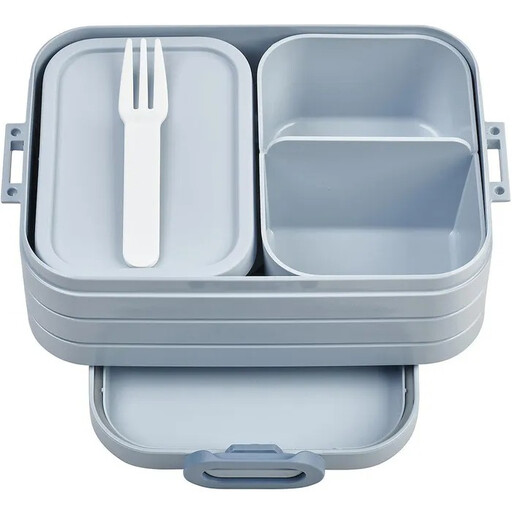
Why this product suits this profile: With a 900 ml capacity, two separate compartments and an extra container with a fork, it’s designed for straightforward work and school meals.
The removable containers make it easy to see how the box is divided. Check the instructions before using them in the microwave or freezer.
900 ml capacity; dishwasher-safe according to the product information; BPA-free according to the product description.
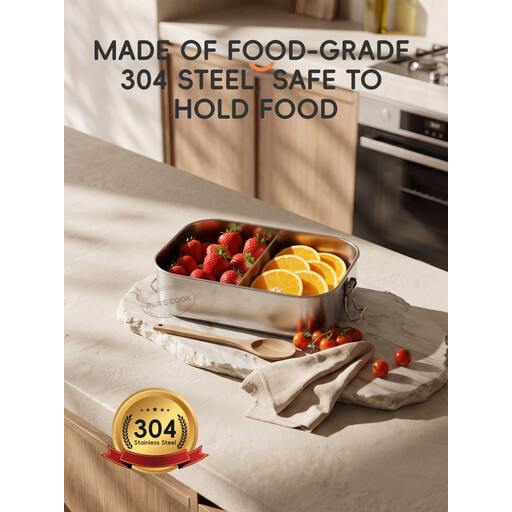
Why this product suits this profile: Its 304 stainless steel construction and two-compartment design will appeal to anyone looking for a durable reusable box for regular meals.
The description mentions fastening clips, a removable silicone seal and a leak-proof design. Check the seal regularly to make sure it’s fitted correctly and undamaged.
304 stainless steel; two compartments; dimensions of 18 × 15 × 6,7 cm according to the product name.

Why this product suits this profile: This salad box for taking on the go has a 950 ml capacity, a removable three-compartment insert, and comes with a knife, fork, spoon and sauce container.
The product description mentions a double-chamber silicone seal and a four-sided closure. Remove the lid completely before using the box in the microwave.
950 ml; BPA-free PP according to the product description; suitable for the microwave without the lid, freezer and dishwasher, following the stated usage instructions.
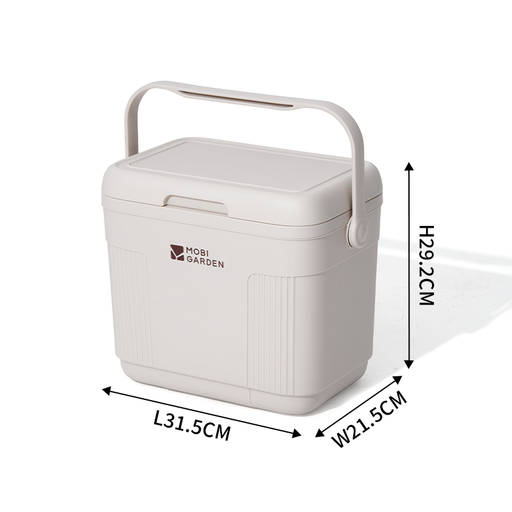
Why this product suits this profile: This insulated box is designed for camping, picnics, fishing and car journeys when you need to carry several food items or drinks, rather than just one meal.
Cooling performance depends on pre-chilled food, cool packs, shade and opening the box infrequently. The box doesn’t actively cool its contents and must not be used with dry ice.
10-litre capacity; PP plastic with a PU insulating layer; integrated carry handle according to the product description.
We’ve put together a complete, regularly updated list of products that meet these strict selection criteria and fully comply with the safety regulations in force in the EU.
The lifespan of a reusable lunch box depends largely on how it’s cleaned, temperature changes and how the seal is treated. Remove food residue after each use and clean all parts according to the manufacturer’s instructions. Warm water and a mild detergent can help with odours. The manufacturer specifically advises against using harsh acids, alkalis and scouring products on the Mobi Garden cool box.
When loading a dishwasher-safe lunch box, try to position the lid and sealing ring so they won’t become misshapen from high temperatures or strong water pressure. Replace the box if it develops cracks, brittle seals, loose fastenings or discolouration accompanied by changes to the material.
A full-perimeter sealing ring and secure closure are important for dressing, sauces or yoghurt. A separate sauce container is even more practical. If you’re unsure about a particular model, test the box with water first and carry it upright.
It depends on the material and lid. Many plastic boxes can only be used in the microwave without the lid. Stainless steel models are generally not designed for microwave use. Always follow the temperature limits and instructions for the specific product.
For a full meal, 700 to 1,000 ml is often a sensible starting point. Less may be enough for children, small snacks or short breaks. Capacity isn’t the only consideration: the compartments also need to suit the food you actually plan to take with you.