
Lieferung heute & morgen

Qualitätsgarantie

Willkommens-Angebote freischalten: KOSTENLOSE Lieferung | Bis zu 80 % RABATT | Kostenlose 30-Tage-JoyPlus-Testphase
App herunterladen
A Bento lunch box should keep meals neatly separated, sit securely in your rucksack and be easy to clean. In practice, however, unclear product information, unsuitable fastenings or misunderstood microwave instructions can quickly lead to disappointing purchases. This applies just as much to professionals and students as it does to parents, schoolchildren and anyone who prepares food to take with them.
The description leakproof lunch box is only meaningful if it specifies a particular sealing system and secure fastening. A simple click closure will usually keep dry snacks safely contained, but may reach its limits with sauces, yoghurt or dressings. So check the following:
Even with a model advertised as leakproof, liquid foods should be added according to the manufacturer’s instructions.
A compartment lunch box may seem versatile, but fixed dividers can reduce the available space. A compact box is often enough for a sandwich, fruit and small snacks. However, if you want to transport a complete meal with a side dish, you will need more capacity or removable inserts.
Do not just look at the litre capacity; also consider the internal layout. A lunch box with inserts can be useful if the individual containers can be removed and combined in different ways.
“Microwave-safe” does not automatically mean that the entire construction, including the lid, can be heated. With many containers, the lid must be removed or opened. Fastenings and seals may also have different care instructions from the main container.
Before buying and before using the box for the first time, check:
A 1.2-litre lunch box offers enough room for many working days and school days, but is larger and heavier than a box for small snacks. As a guide:
The right size depends on portion size, your transport bag and the space available in your fridge. An oversized model often becomes unnecessarily heavy, while a box that is too small can encourage overfilling. This may prevent the seal from closing properly.
For a reusable lunch box, information about food-contact suitability, temperature resistance and cleaning is important. Plastic boxes are often lightweight and practical for school or work. Stainless steel is robust and tends not to retain odours, but depending on its construction, it may not be suitable for microwave use.
A label such as BPA-free provides additional information about the material, but does not replace checking the other usage instructions. With products made from several components, check whether the lid, inserts and seal are made from different materials.
A good fastening needs to suit the food you are carrying. Several clips or a twist-lock closure can affect how easy the box is to use. It is equally important to check whether the seal can be removed and cleaned thoroughly. Residue in grooves or beneath a sealing ring can encourage odours and hygiene issues.
A dishwasher-safe lunch box saves time, provided the product information confirms that all relevant parts are actually suitable for the dishwasher. With delicate seals, hand washing may nevertheless help extend the product’s usable life. After cleaning, all parts should be allowed to dry completely before the box is closed.
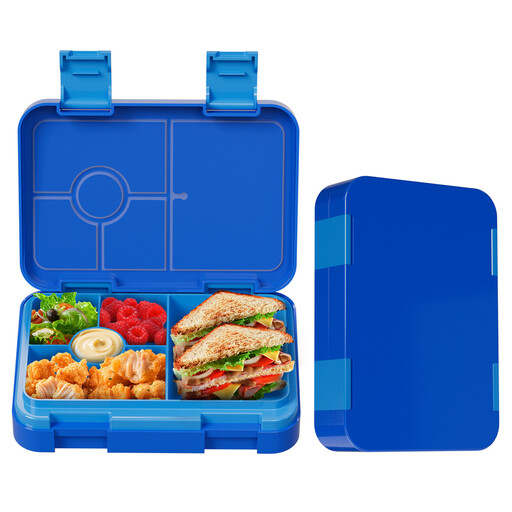
Why this product suits this profile: The five compartments and two fastenings specified in the product name are ideal for users who want to carry different parts of a meal separately.
The separate compartments help prevent dry and moist foods from mixing. Both fastenings should be fully closed before transport.
Five separate sections and a double fastening according to the product name.
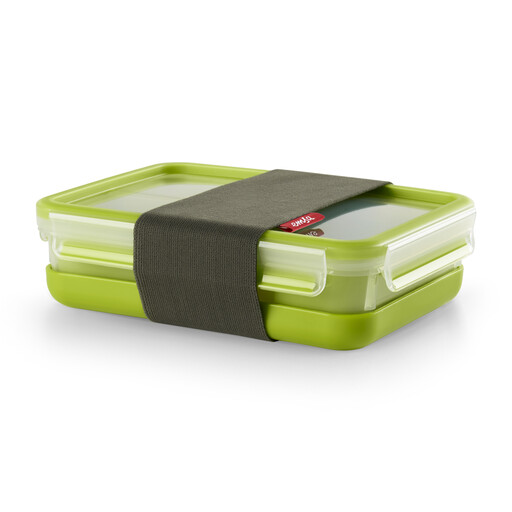
Why this product suits this profile: According to the product information, this model has three inserts, a separate plate, a freshness seal and a capacity of 1.2 litres.
The product information specifies a seal and instructions for closing the box completely. The seal should be kept clean on a regular basis.
Three inserts and a separate plate; according to the product information, suitable for the dishwasher, microwave and freezer at temperatures from -40 °C to +110 °C.
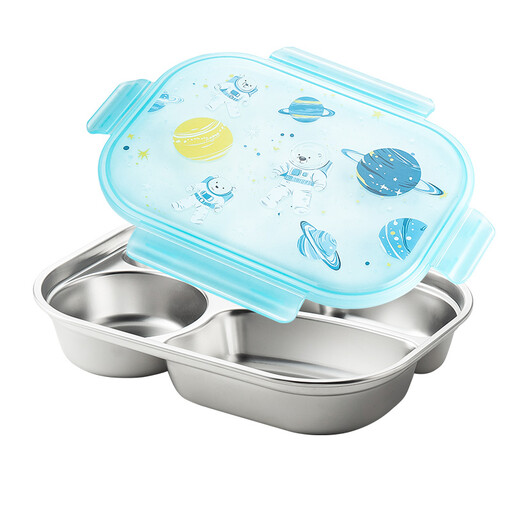
Why this product suits this profile: Its 316 stainless steel construction and four separate sections will appeal to anyone looking for a robust lunch box for the office, picnics or regular meals.
The compartments organise the meal without the need for additional small containers. Before buying, check whether microwave use and the specific lid design suit your routine.
316 stainless steel and four compartments according to the product name; designed for the office and picnics.
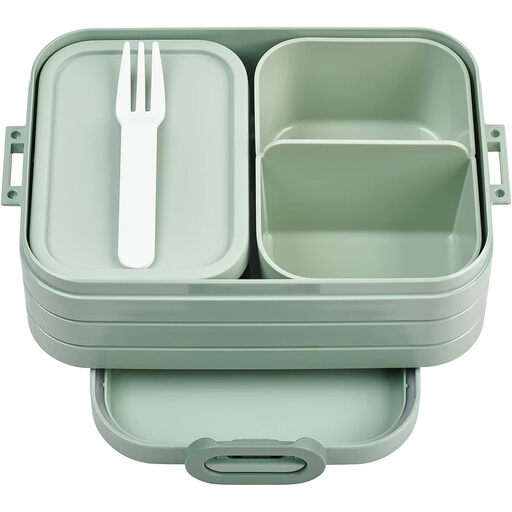
Why this product suits this profile: With 900 ml, two separate sections and an additional box with a fork, this lunch box is suitable for manageable meals at school, university or work.
The removable Bento containers keep different foods separate. The product information expressly states that the lid must be removed before microwave use and that the box should not be frozen.
900 ml capacity, two sections, an additional box with a fork and dishwasher suitability according to the product information.
We have put together a complete, regularly updated list of products that fully meet these strict selection criteria and the safety regulations applicable in the EU.
Wash the container, lid and inserts as soon as possible after eating. With a box that has a seal, the ring should be removed regularly if the instructions permit this. This makes it easier to remove residue from the gaps.
For transport:
With stainless steel models, you should also check whether they are suitable for microwave use. A lunch box for taking food on the go should be chosen not for its appearance, but according to its capacity, fastening, material and care requirements.
For a standard main meal, around 900 ml to 1.2 litres is often practical. If you also pack fruit, side dishes or snacks, you may need a larger model. The actual internal layout remains crucial, rather than the external dimensions alone.
No. Suitability can vary depending on the material and individual component. According to the product information, the Mepal Bento lunch box may only be heated without its lid. The LocknLock box is likewise intended for reheating in the microwave, not for direct heat.
It is not possible to give a standard service life. Seals and fastenings often wear out before the container itself. Gentle cleaning, opening the box correctly and allowing it to dry completely can help extend its usable life. Check the seal regularly and replace damaged parts in accordance with the manufacturer’s instructions.