
Lieferung heute & morgen

Qualitätsgarantie

Willkommens-Angebote freischalten: KOSTENLOSE Lieferung | Bis zu 80 % RABATT | Kostenlose 30-Tage-JoyPlus-Testphase
App herunterladen
A Bento lunch box should keep your food separate and hygienic, and transport it as securely as possible. In practice, however, some advertised features can lead to unrealistic expectations. Having lots of compartments doesn’t automatically mean liquids will stay securely separated. The label ‘microwave-safe’ often applies only to the container without its lid. And a large capacity can be impractical if the box won’t fit in your bag, backpack or fridge.
A leakproof lunch box may seal reliably when kept upright, but can still leak if carried on its side or upside down. The key things to look for are:
For stainless steel models with clip closures, manufacturers often specifically recommend carrying the box upright when it contains soup or very juicy foods.
Calling a lunch box microwave-safe doesn’t automatically mean that every part can go in the microwave. Lids, cutlery, seals, metal parts and insulated bags all need to be considered separately.
For plastic models, the safe rule of thumb is to remove the lid before heating, unless the instructions say otherwise. Take extra care with stainless steel. According to the product instructions, the PURECOOK Bento Lunch Box with stainless steel inner containers can only be used in a microwave if the appliance allows metal cookware. The insulated bag should never go in the microwave.
A lunch box with compartments or removable inserts keeps your main meal, fruit, sides and sauces separate. However, it also means more individual parts to clean and dry thoroughly after eating. So check:
A stainless steel lunch box is resistant to many types of food and can last a long time if cared for properly. However, stainless steel containers aren’t necessarily suitable for every microwave. And unless the box has inserts, it may be harder to divide the available capacity flexibly.
PP (polypropylene) plastic models are often lighter and, depending on the manufacturer, may be approved for use in the microwave, freezer and dishwasher. Check the specific temperature limits and any ‘without lid’ restrictions. If a product is described as BPA-free, this should be clearly stated in its product details.
A 1.2-litre Bento box can provide enough room for a main meal, a side and a snack. However, the usable capacity depends on the inserts and the shape of the box. A 1.5-litre box may be a good choice for larger portions or several smaller items, but it will also take up more space.
Before buying, compare:
A hinged or clip closure should shut evenly. If you’re choosing a meal prep box with several inserts, it’s also important to check whether each container seals separately or whether only the outer lid closes. For dressings, sauces and yoghurt, a separate screw-top or press-seal container may be more practical than an open compartment.
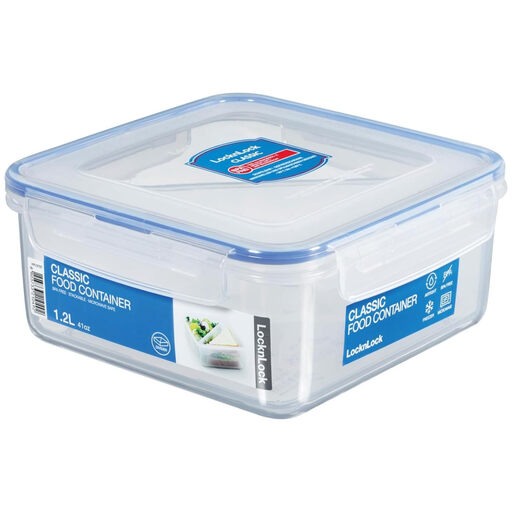
Why this product suits this profile: With a capacity of 1.2 litres, an integrated divider and a transparent plastic design, this box is ideal for carrying sandwiches, snacks and sides every day.
The integrated divider stops sandwich ingredients from mixing directly. Remove the lid before putting the box in the microwave.
BPA-free plastic according to the product details, an integrated divider, and dishwasher- and microwave-safe without the lid.
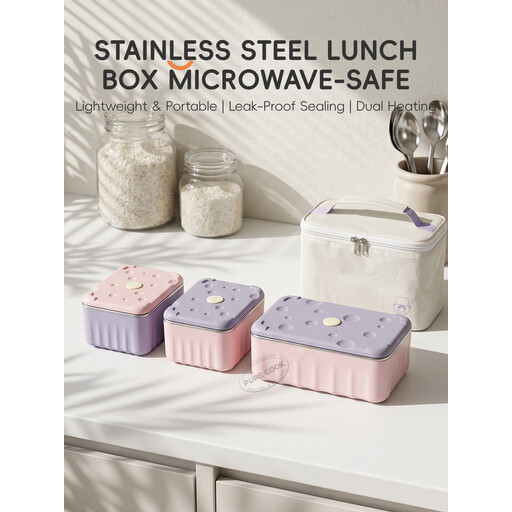
Why this product suits this profile: The set includes one 1,200 ml container and two 600 ml containers. The stainless steel inner containers have PP outer shells and come with an insulated bag.
The separate containers offer a flexible alternative to fixed compartments. According to the product details, the box should be kept upright when carrying it, especially when it contains liquids.
304 stainless steel inner containers, two sizes, silicone seals and dishwasher-safe components according to the product description.
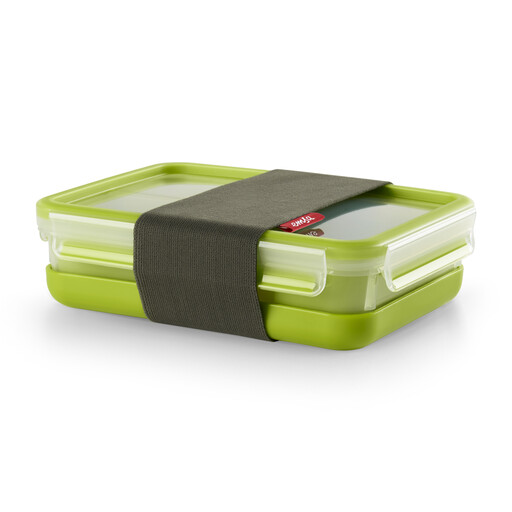
Why this product suits this profile: Designed for a range of everyday situations, this box comes with three inserts and a separate plate according to the product details. It’s a practical choice for varied meals, work and days out.
The inserts let you separate food as needed. Clean the seal regularly to help the closure work properly.
Three inserts and a separate plate, with dishwasher, microwave and freezer suitability within the stated temperature range, according to the product details.
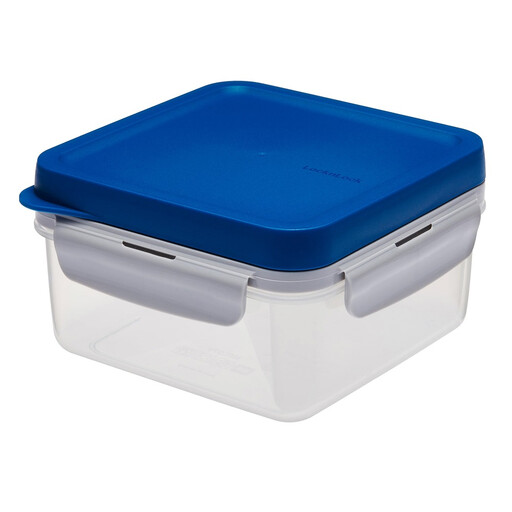
Why this product suits this profile: According to the product details, it comes with three removable compartments, a cutlery set and a sauce container. That makes it a good choice for well-organised meals at the office, at school or on the go.
The separate sauce container means you don’t need to carry liquid ingredients alongside dry food. Remove the lid completely before heating.
Three removable compartments, cutlery and a sauce container; dishwasher-, freezer- and microwave-safe without the lid, according to the product details.
We’ve put together a complete, regularly updated list of products that meet these strict selection criteria and fully comply with the safety regulations in force in the EU.
A reusable lunch box will stay in good working order if you clean it after every meal. Remove the seals and inserts if the instructions allow, and let all the parts dry completely. Check silicone rings, closures and plastic surfaces regularly for cracks, warping or lingering smells. Don’t continue using damaged parts.
If your lunch box comes with cutlery, remember to clean the accessories too. Don’t use stainless steel over an open flame or on the hob. Avoid cleaning plastic boxes with sharp-edged utensils, as scratches can damage the surface.
Models between around 1 and 1.5 litres are often practical for a single meal. A 1.2-litre box works well for a main meal and sides. A smaller capacity may be easier for children or for carrying small snacks. As well as the stated capacity, consider the external dimensions and the box’s weight.
It depends on the material and the instructions for the specific product. Some plastic containers can be heated without the lid. Stainless steel containers are only suitable for appliances whose instructions specifically allow metal cookware. As a rule, don’t heat lids, cutlery, seals or insulated bags unless they’re explicitly approved for it.
There’s no set lifespan that applies to every lunch box. It depends on the material, cleaning routine, closure mechanism and how often it’s used. Drying it thoroughly, following the temperature limits and replacing damaged seals can help extend its useful life.