
Lieferung heute & morgen

Qualitätsgarantie

Willkommens-Angebote freischalten: KOSTENLOSE Lieferung | Bis zu 80 % RABATT | Kostenlose 30-Tage-JoyPlus-Testphase
App herunterladen
A reliable 18V cordless drill driver is a core tool for countless projects around the house and garden. However, the market is crowded and filled with technical specifications that often confuse more than they clarify. Many buyers invest in tools that are unsuitable for their purposes or become expensive due to hidden follow-up costs. This guide will help you identify the crucial features and make an informed decision tailored to your actual needs.
Before we dive into the technical details, it's important to understand common marketing promises and product concepts that often lead to a poor purchase.
Focus on the following three core aspects in your selection process to find a tool that will serve its purpose in the long run.
The performance of a cordless drill driver is primarily determined by its torque and gearbox.
The heart of any cordless tool is the battery. Many manufacturers offer cross-platform batteries that are compatible with a wide range of tools (e.g., Bosch 18V POWER FOR ALL or Makita 18V LXT).
A good tool should feel comfortable in your hand. Look for a balanced weight and an ergonomically designed grip to remain fatigue-free even during extended use. Useful extra features like an integrated LED work light to illuminate the work area or a belt clip significantly enhance comfort and practicality.
Here are some recommendations tailored to different needs and use cases.
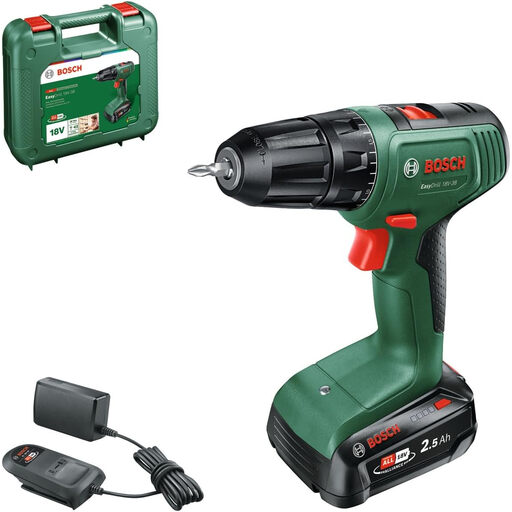
Why it's a good fit: This kit is ideal for getting started. It includes everything you need (tool, battery, charger) for typical household tasks like assembling furniture or hanging pictures. The battery is part of the 18V POWER FOR ALL ALLIANCE, making it compatible with many other tools.
As a complete kit, it avoids the hidden costs of a bare tool. The 38 Nm torque is practical and not excessive for its intended use.
Offers a well-rounded package from an established brand with a future-proof battery system at a fair price-performance ratio.
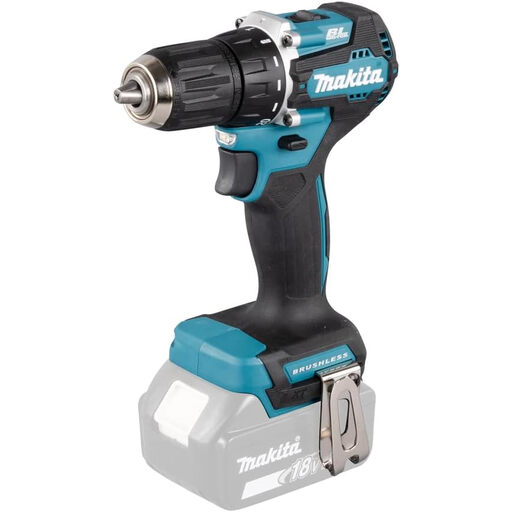
Why it's a good fit: An excellent choice for anyone who already owns Makita 18V LXT batteries. This compact and lightweight tool features a brushless motor and is designed for professional use, but is also suitable for demanding DIYers.
As a bare tool, it is intentionally designed for users of an existing system, thus avoiding the purchase of unnecessary batteries and chargers.
Combines professional performance and durability thanks to the brushless motor with a very compact and ergonomic design.
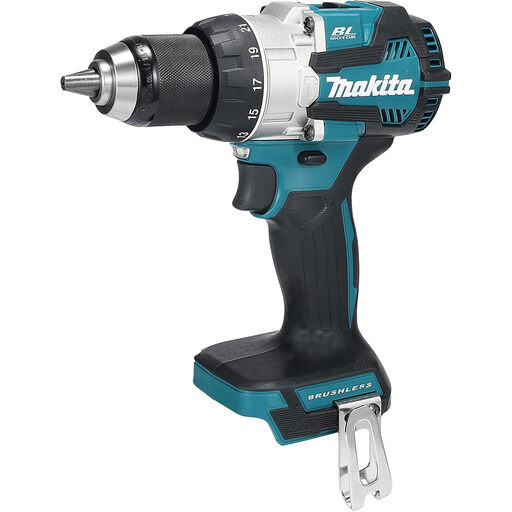
Why it's a good fit: This tool is a powerful hammer drill driver for users who regularly need to drill into hard materials like masonry. It is a robust professional-grade tool with high torque and protection against dust and splashing water (XPT).
It offers the specific hammer drilling function that standard drill drivers lack, preventing the purchase of an unsuitable tool for drilling in stone.
The combination of high torque (73 Nm), a hammer function, and XPT technology makes it a highly durable and versatile tool for construction sites and renovations.
We have compiled a complete, up-to-date list of products that meet these strict selection criteria and comply with current safety regulations.
The runtime of a battery depends on its capacity (measured in Amp-hours, Ah), the load, and the motor type. A brushless cordless drill is more efficient in this regard. As a rule of thumb, a 2.0 Ah battery can last about 20 to 40 minutes under continuous, medium load. For typical, intermittent DIY tasks, one battery charge is often sufficient for several hours or even entire projects.
No, a standard cordless drill driver is not designed for that. For drilling into softer stone types like brick or sand-lime brick, you need a cordless hammer drill driver with a selectable hammer mechanism. For hard concrete, especially reinforced concrete, a rotary hammer with a pneumatic mechanism is the only suitable tool.
That depends on the frequency of use. A brushless motor offers a longer lifespan, more power per battery charge, and is maintenance-free. If you use the tool regularly for demanding tasks, the investment is worthwhile. For occasional jobs, like assembling a shelf or installing lights, a good tool with a conventional brushed motor is often the more economical and perfectly sufficient solution.