
Lieferung heute & morgen

Qualitätsgarantie

Willkommens-Angebote freischalten: KOSTENLOSE Lieferung | Bis zu 80 % RABATT | Kostenlose 30-Tage-JoyPlus-Testphase
App herunterladen
The search for quick yet flavorful everyday meals often leads to Asian cuisine. In particular, Asian tomato noodles have established themselves as a popular choice, combining the fruity acidity of tomatoes with the savory depth of Asian broths. This article serves as a guide to help you choose. We will introduce various options, from classic instant noodles to more complex noodle soups, and provide you with objective information to find the right product for your taste and needs.
The selection of ready-to-eat meals is vast. To make an informed decision, the following criteria can be helpful.
The foundation of any noodle dish is the noodles themselves. Check the ingredient list to determine the type of noodle. Wheat noodles, often found in tomato ramen, offer a firm, al dente texture. Rice noodles, characteristic of dishes like tomato-flavored Luosifen, are often softer and gluten-free, which can be relevant for those with specific dietary requirements. The preparation method (dried, semi-dried, or fresh) also affects the cooking time and final texture.
The broth is the heart and soul of any noodle soup. For tomato varieties, the spectrum ranges from sweet-and-sour to deeply savory (umami). Some products, like tomato beef noodles, combine the tomato base with a rich meat broth. Others rely on a vegetarian base or an unconventional combination like the river snail broth in Luosifen. A look at the included seasoning and topping packets reveals the complexity of the dish. Ingredients like pickled vegetables, tofu skin, or roasted peanuts can significantly enhance the flavor experience.
Quick Asian meals are known for their straightforward preparation. Most Asian noodle ready meals only require boiling the noodles and mixing them with the provided sauces and toppings. The preparation time typically varies between 3 and 10 minutes. Check the instructions on the packaging to ensure the effort fits your schedule.
Here is a compilation of different products that represent the spectrum of Asian tomato noodles.
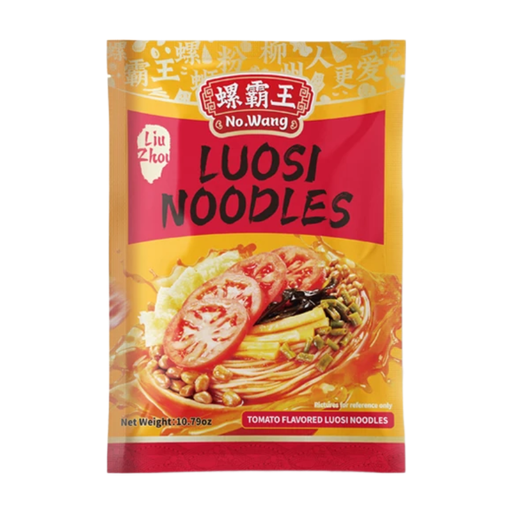
What makes this product stand out This variety combines the traditional, umami-rich flavor of Luosifen (a noodle soup with a river snail broth) with a sweet-and-sour tomato base. The result is a complex and multi-layered flavor profile.
Pros
Who is it for? This product is aimed at culinary adventurers who want to buy a Chinese noodle soup dish that is authentic and intensely flavorful, and who are not afraid of the characteristic aroma of Luosifen.
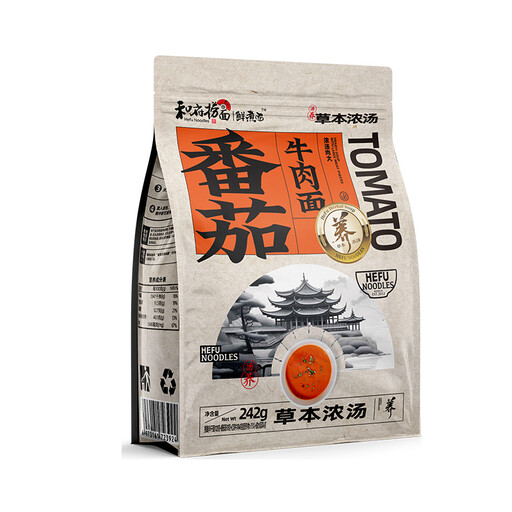
What makes this product stand out The focus here is on combining a rich tomato broth with high-quality ingredients. The semi-dried noodles made from Australian wheat flour and the separately packaged braised beef set this dish apart from typical instant noodles.
Pros
Who is it for? Ideal for anyone looking for a complete meal and who values a good source of protein. It is an excellent choice for lovers of classic tomato beef noodles.
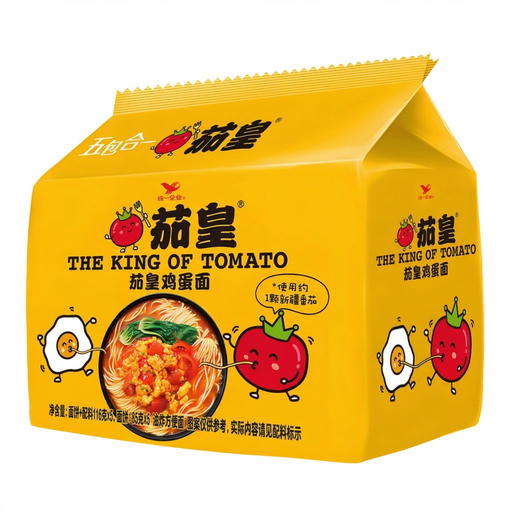
What makes this product stand out This product represents the classic taste of instant noodles with tomato and egg, a familiar comfort food in many Asian households. The preparation is exceptionally quick and easy.
Pros
Who is it for? This product is a perfect choice for families, students, and professionals looking for a quick, uncomplicated, and tasty meal for everyday life. It is a classic Asian noodle ready meal.
The world of tomato-based noodle soups is diverse. If the products presented here don't quite meet your expectations, or if you're simply curious about other varieties, you might find the right one in our wider selection.
? Discover our entire selection of tomato ramen here
1. How do you prepare Asian tomato noodle soups? Most products are designed as ready-to-eat meals. Typically, the noodles are cooked in boiling water for a few minutes and then drained. In a separate step, the soup base is mixed with hot water. Afterwards, the noodles, broth, and included toppings are combined in a bowl. Always follow the specific instructions on the product packaging.
2. What is the difference between tomato ramen and tomato Luosifen? The main difference lies in the type of noodles and the composition of the broth. Tomato ramen typically uses wheat noodles and often has a broth based on pork, chicken, or vegetables. Tomato Luosifen, on the other hand, uses rice noodles and is based on a distinctive, robust broth made from river snails, which is then enhanced with tomato.