The skin around the eyes has specific characteristics that distinguish it from the rest of the facial skin. It is significantly thinner, has fewer sebaceous glands, and is exposed to constant mechanical stress from facial expressions like blinking and smiling. These factors can contribute to the premature appearance of dehydration lines, wrinkles, puffiness, and dark circles. An eye balm is a skincare product specifically developed for these demanding needs. Its formulation aims to strengthen the skin barrier, provide moisture, and address specific concerns.
This guide analyses the technical criteria for selecting a suitable eye balm and presents a selection of products with different specialisations.
Buying Guide: What to Look for When Choosing an Eye Balm
The decision for a product should be based on an analysis of its ingredients, texture, and specific application goal.
1. Ingredient Analysis
The effectiveness of an eye balm largely depends on its active components. Certain ingredients specifically address different needs for eye area care.
- Hydrating Agents: Substances like hyaluronic acid, glycerin, and ceramides are fundamental for hydrating eye care. They bind water in the skin, plump up dehydration lines, and strengthen the skin barrier.
- Peptides: These are short chains of amino acids that serve as building blocks for proteins like collagen and elastin. In skincare products, they can support the skin's structure and contribute to firmness. Acetyl Hexapeptide-8 is an example of such a peptide.
- Antioxidants: Active ingredients like Vitamin C (e.g., in the form of Aminopropyl Ascorbyl Phosphate), Vitamin E (Tocopheryl Acetate), and plant extracts (e.g., from Green Tea or Milk Thistle) protect the skin from free radicals generated by UV radiation and pollution, which can accelerate the skin ageing process.
- Actives for Puffiness and Dark Circles: Caffeine is known for its ability to stimulate microcirculation, which can help reduce puffiness. Brightening ingredients like Vitamin C or Niacinamide can diminish the appearance of dark under-eye shadows.
- Botanical Extracts: Many formulations rely on extracts from plants like Eyebright (Euphrasia Officinalis), Hibiscus, or Moringa, which are credited with soothing, strengthening, or protective properties.
2. Texture and Formulation
The term "balm" typically indicates a richer, often wax- or oil-based texture compared to a light cream or gel.
- Rich Balm: Ideal for dry or mature skin, as it forms a protective layer that minimises moisture loss overnight.
- Light Balm or Gel-Balm: Suitable for normal to combination skin or for daytime use, as it absorbs more quickly and does not leave a greasy base for makeup.
3. Application Goal
Define your primary skincare goal to narrow down your product selection:
- For Wrinkles and Firmness: Look for a firming eye balm with peptides and antioxidants.
- For Dark Circles and Puffiness: An eye care product for dark circles and puffiness should contain caffeine or brightening agents.
- Intensive Hydration: Prioritise products with a high concentration of hyaluronic acid and ceramides.
- Natural Care: If you value certified natural cosmetics, look for corresponding seals and formulations with botanical oils and extracts.
Our Top Picks
Based on the criteria above, we have compiled a selection of products that take different approaches to eye care.
Estée Lauder Revitalizing Supreme+ Youth Power Eye Balm 15ml
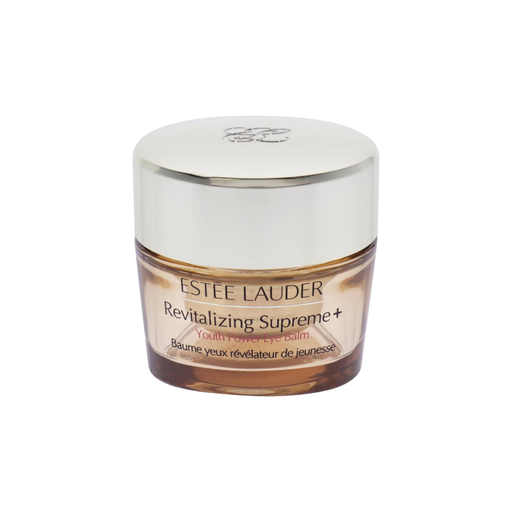
This balm is designed as a multi-action treatment that targets multiple signs of ageing in the eye area. The formulation combines plant extracts with peptide technology.
- Why we recommend this product: The formula contains a 99% naturally derived Hibiscus Flower Extract and Moringa Extract. According to the manufacturer, the product provides up to 72 hours of hydration. Its versatile use as a daily balm or a weekly intensive mask offers flexibility in your skincare routine.
- Benefits: Contains Acetyl Hexapeptide-8, hyaluronic acid, and caffeine. The rich texture is designed for intensive care. It can help reduce the appearance of lines, puffiness, and dark circles.
- Who it's for: Users looking for a comprehensive anti-wrinkle eye cream with firming properties who prefer a rich, nourishing texture.
Dr. Hauschka Eye Balm 10ml
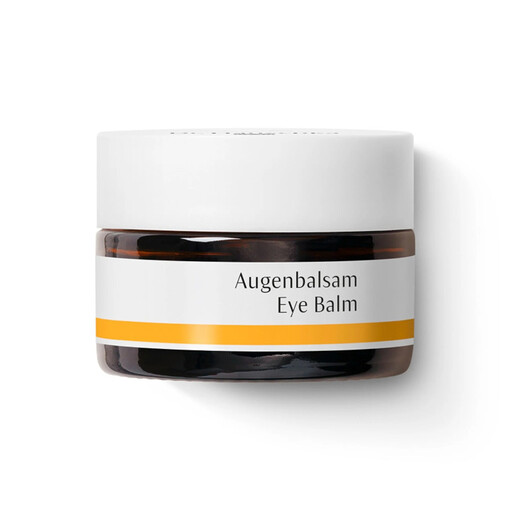
This eye balm from Dr. Hauschka takes a natural eye care approach. The formulation is based on botanical oils and extracts from medicinal plants.
- Why we recommend this product: The product relies on a composition of Anthyllis, Eyebright, and Witch Hazel to soothe the delicate skin and support its moisture balance. The formulation is free from synthetic fragrances, dyes, and preservatives.
- Benefits: A light, nourishing balm texture that absorbs quickly. Soothes and protects the delicate eye area. Suitable for all skin types, including sensitive skin.
- Who it's for: Users who prefer certified natural cosmetics and are looking for gentle, soothing, and protective daytime care.
Sisley Phyto Specific Effective Balm for Eyes and Lips 30 ml
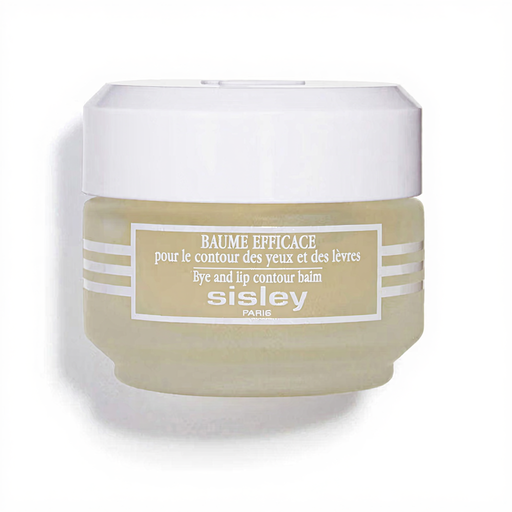
This product is designed as a targeted botanical treatment for the most delicate areas of the face—the eyes and lips. It combines a high concentration of naturally derived extracts in a lightweight gel texture.
- Why we recommend this product: Its dual application for the eye and lip contours makes it an efficient product in any skincare routine. The formula, with Witch Hazel and Tomato extracts, aims to protect, nourish, and smooth the skin.
- Benefits: A lightweight gel texture that provides an instant sensation of freshness. It intensely hydrates and can reduce the appearance of puffiness and expression lines. Suitable for all skin types.
- Who it's for: Users seeking a multi-functional product with a light, refreshing texture to care for both the eye and lip areas.
Further Options and Alternatives
If our selection doesn't include the perfect product for your individual needs, you can find a broader range in our main category. Discover more products in the Eye Balm section here.
Frequently Asked Questions (FAQ)
1. What is the difference between an eye cream and an eye balm? The main difference lies in the texture and concentration of ingredients. An eye balm tends to have a denser, richer consistency with a higher proportion of oils and waxes. It often forms a more protective barrier on the skin and is particularly suitable for very dry skin or as an intensive night treatment. An eye cream is typically lighter, has a higher water content, and absorbs more quickly.
2. At what age is it advisable to start using eye care? There is no set age. The need for specialised eye care depends on your individual skin condition and lifestyle. From your mid-to-late 20s, the body's natural production of collagen and hyaluronic acid begins to slow down. A preventive, hydrating eye care routine can be beneficial from this point on to maintain skin elasticity and prevent the first signs of dehydration lines.
3. How do you apply eye balm correctly? A small amount of the product (about the size of a grain of rice) is sufficient for both eyes. Apply the balm using your ring finger, as it exerts the least amount of pressure. Gently pat the product along the orbital bone (the bone beneath the eye), moving from the inner to the outer corner. Avoid applying the product too close to the lash line or pulling on the skin.
Written by: Joybuy Product Recommendation Officer


