
Lieferung heute & morgen

Qualitätsgarantie

Willkommens-Angebote freischalten: KOSTENLOSE Lieferung | Bis zu 80 % RABATT | Kostenlose 30-Tage-JoyPlus-Testphase
App herunterladen
A robot vacuum that not only vacuums but also mops, and then cleans, empties, and maintains itself in its station—this is the promise of modern cleaning robots. However, the market is flooded with devices whose marketing claims often promise more than the technology can deliver in everyday use. As a Joybuy Product Recommendation Officer, I'll help you identify the crucial features and avoid common pitfalls, ensuring your investment pays off in the long run.
Before we dive into the important technical details, let's highlight the three most common issues that lead to disappointment when choosing a robot vacuum and mop.
To avoid the problems mentioned above, you should focus on three key technical features in your selection. These define the true autonomy and cleaning quality of a modern device.
A robot's ability to move intelligently and safely through your home is fundamental. Simple infrared sensors are not sufficient in complex living spaces.
A modern robot mop with a cleaning station can do far more than just empty the dustbin. Look for the following features that minimise maintenance:
In homes with mixed flooring, a robot vacuum with a liftable mop is essential. When the robot detects a carpet using an ultrasonic sensor, it automatically lifts its mopping pads. This prevents the carpet from getting wet during vacuuming, allowing for the cleaning of hard floors and carpets in a single pass without manual intervention. Some advanced models can even detach their mops at the station to clean high-pile carpets with maximum suction power.
Based on the criteria above, we have identified a few models that represent a smart choice for different households and needs.
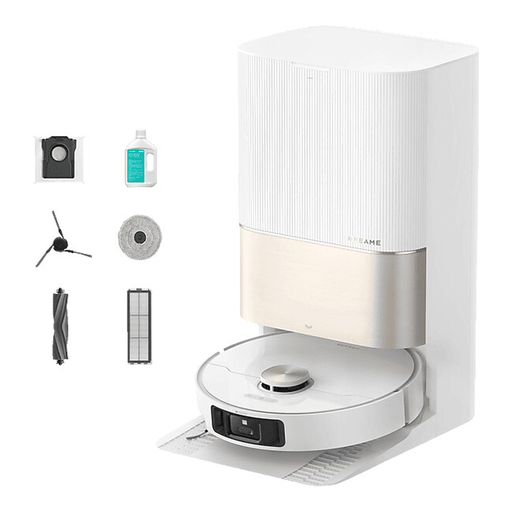
Why This Fits Their Persona: Ideal for users seeking maximum automation and seamless cleaning in large, complex homes with lots of furniture. The system is designed for minimal manual intervention.
Solves the problem of poor edge cleaning with an extendable mop (MopExtend RoboSwing) and a liftable side brush that specifically target corners and areas under furniture.
Fully automatic station with 70°C hot water mop washing and hot air drying. The mops can be completely detached to clean high-pile carpets.
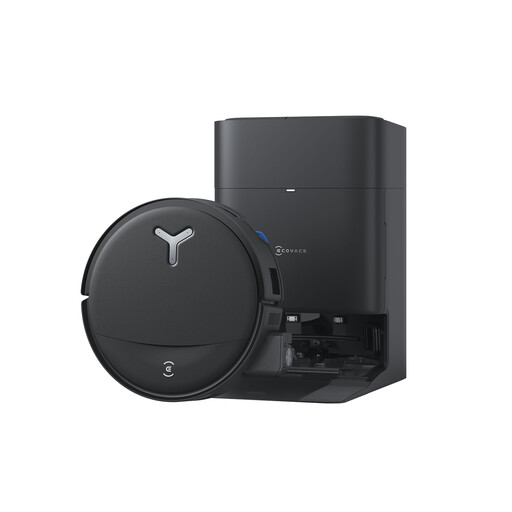
Why This Fits Their Persona: Designed for pet owners and demanding users who need extremely high suction power for deep-seated dirt and pet hair, and who value intelligent dirt detection.
Counters the pitfall of exaggerated suction power claims with an objectively very high performance of 24,800 Pa (according to the manufacturer) and a ZeroTangle 3.0 anti-tangle system that minimises maintenance.
Intelligent hot water mop washing (40–75°C) and AI Stain Detection 2.0, which detects the level of dirt and automatically adjusts cleaning intensity—ideal for unexpected messes.
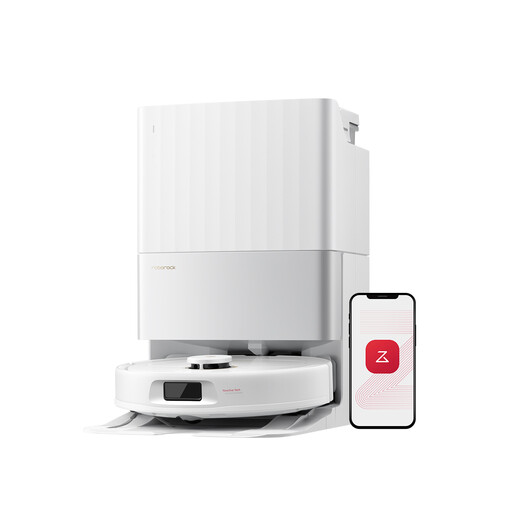
Why This Fits Their Persona: A balanced choice for users who want proven technology from brands like Roborock and key automation features without paying top price for absolute cutting-edge features.
Avoids the pitfall of a high-maintenance station by offering core features like hot air drying for the mops and good obstacle avoidance, which are not standard in this price range.
Offers strong suction power of 12,000 Pa (according to the manufacturer) and a dual anti-tangle system. The FlexiArm mop improves edge cleaning compared to rigid systems.
We have compiled a complete, up-to-date list of products that fully meet these strict selection criteria and German safety regulations.
1. How often do I really need to empty/refill the station's dust bag and water tanks? This largely depends on the size of your home, the level of dirt, and the number of people and pets. For average use in a 100 m? (approx. 1076 sq ft) home, a 3-litre dust bag in the station can last about 60 to 75 days. The fresh and dirty water tanks (usually 4-5 litres) need to be refilled or emptied every 3 to 7 cleaning cycles, depending on mopping frequency and intensity.
2. Do robot vacuums work on very dark or black floors? Modern robot vacuums, especially those with LiDAR navigation, generally have no problems with dark floors. However, issues can arise with the cliff sensors that protect the robot from stairs. These infrared sensors can mistake deep black carpets or floors for a drop-off and avoid the area. Leading brands like Roborock, Dreame, and Ecovacs have significantly improved their sensors in recent years, so this problem is less common in current models.
3. What is the actual maintenance effort for a fully automatic cleaning station? Although the station handles many tasks, it is not completely maintenance-free. Plan for a quick basic cleaning every two to four weeks. This includes wiping the wash plate where the mops are cleaned, cleaning the sensors on the robot and station with a dry cloth, and checking the main and side brushes for tangled hair or threads, even though anti-tangle systems greatly reduce this work.