
Lieferung heute & morgen

Qualitätsgarantie

Willkommens-Angebote freischalten: KOSTENLOSE Lieferung | Bis zu 80 % RABATT | Kostenlose 30-Tage-JoyPlus-Testphase
App herunterladen
Choosing a new vacuum cleaner can quickly become overwhelming. Manufacturers advertise high suction power figures, intelligent features, and specialised designs. But not every innovation is a genuine step forward. Often, these overhyped features lead to disappointment and an appliance that fails to meet everyday demands. This guide will help you identify the crucial criteria and steer clear of common purchasing pitfalls.
Before we dive into the technical details, it's important to recognise the marketing promises that often fail to deliver in practice.
To make an informed decision, you should focus on objective and practical features.
The first decision concerns the basic type of vacuum cleaner. Each has specific advantages and disadvantages:
A good filtration system is crucial to prevent fine dust, pollen, and other allergens from being released back into the room's air.
Instead of making a blanket recommendation, we have selected models tailored to specific user profiles and their requirements.
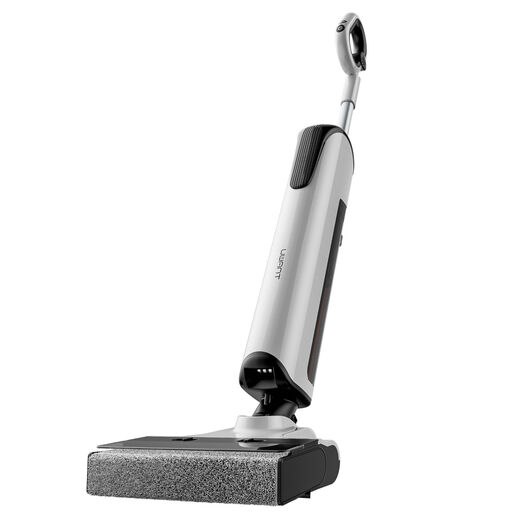
Why It's the Perfect Match: Ideal for the hectic family life where both crumbs and spills are a daily occurrence. This vacuum mop handles both in one step, saving valuable time.
The D-shaped brush is specifically designed for thorough edge cleaning, thus avoiding the trap of unclean borders. The self-cleaning function with hot air drying also prevents odour build-up.
Combines vacuuming and mopping; 20,000 Pa suction for dry and wet messes; electrolytic water sterilisation without chemicals.
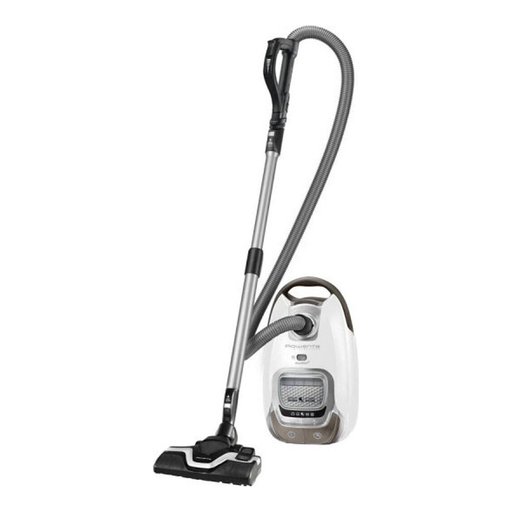
Why It's the Perfect Match: For users who value pure air and a quiet environment. This bagged vacuum is a quiet vacuum cleaner and reliably filters fine dust and allergens at the same time.
Instead of relying on a high Pascal number, this model focuses on a balanced system. The combination of motor power, nozzle design, and a 3-stage filtration system ensures effective cleaning.
Very quiet operation at 58 dB(A); Allergy+ filtration system captures over 99.99% of dust according to the manufacturer; hygienic bag disposal.
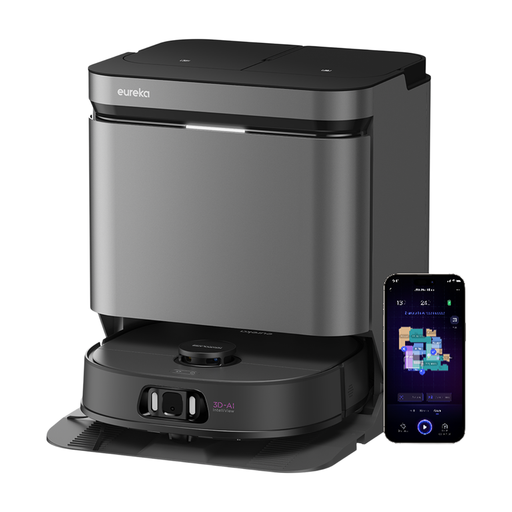
Why It's the Perfect Match: For anyone seeking maximum automation and technical sophistication. This robot vacuum cleans, mops, empties itself, and even cleans its own mop pads with hot water.
The extendable mopping technology (ScrubExtend) solves the edge cleaning problem. The high suction power of 16,200 Pa is not just a marketing figure here, but enables deep cleaning of carpets.
Fully automatic station (washing, drying, emptying); AI-powered dirt detection; anti-tangle technology ideal for vacuums for pet hair.
We have compiled a complete, up-to-date list of products that fully meet these strict selection criteria and German safety regulations.
1. What does the Pascal (Pa) rating on a vacuum cleaner really mean? The Pascal number measures the negative pressure generated. A high value can indicate a powerful motor, but it is not the sole indicator of quality. For effective dirt pickup, the airflow (measured in litres per second) is also crucial. A good appliance combines high negative pressure with strong airflow to loosen and transport dirt.
2. How often should you change vacuum cleaner bags? A change is necessary at the latest when the suction power noticeably decreases or the device's fill-level indicator signals it. For hygienic reasons, especially in households with allergy sufferers or pets, changing the bag every one to two months can be beneficial, even if it is not yet completely full.
3. Is a robot vacuum suitable for homes with carpets? Yes, modern robot vacuums are increasingly suitable for carpets. Look for models with high suction power (e.g., over 5,000 Pa), an automatic suction boost feature on carpet detection, and, if it's a robot vacuum with a mopping function, a lifting feature for the mop module. This ensures that the carpet does not get wet when the robot passes over it.