
Lieferung heute & morgen

Qualitätsgarantie
App herunterladen
Kategorien
Choosing a TV for gaming and home theatre in 2026 requires an analysis of specific technical parameters. Beyond 4K resolution, the crucial factors are panel technology, refresh rate, supported synchronisation technologies, and connectivity. This article breaks down the essential criteria and presents a selection of models based on these parameters.
The performance of a TV for demanding games and films is determined by the interplay of several core components. The following sections explain the most relevant technological aspects.
Display technology is fundamental to image quality. Each technology offers specific advantages and disadvantages.
A high refresh rate is crucial for smooth motion in gaming. A 144Hz TV can display up to 144 frames per second, leading to a visibly smoother and more responsive picture, especially in fast-paced PC games. For consoles like the PlayStation 5 and Xbox Series X, 120 Hz is the current standard.
Technologies like G-Sync (NVIDIA) and FreeSync (AMD) dynamically synchronise the TV's refresh rate with the frame rate output by the graphics card. This prevents visual artifacts like screen tearing and stuttering.
The HDMI 2.1 standard is a fundamental requirement for modern 4K gaming. It provides the necessary bandwidth to transmit 4K signals at 120 Hz or more. It also supports key gaming features:
High Dynamic Range (HDR) expands the contrast and colour range of an image. Dolby Vision is a dynamic HDR format that adjusts image parameters scene-by-scene or even frame-by-frame, often resulting in a more accurate picture than static formats like HDR10. For an immersive sound experience, support for 3D audio formats like Dolby Atmos is relevant, which positions sound in 3D space using an object-based approach.
The following models have been selected based on their technical specifications and their suitability for the described use cases.
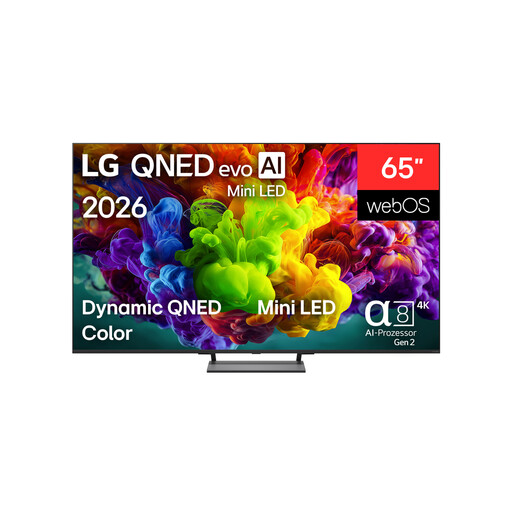
Why we recommend this product This model combines the brightness advantages of Mini-LED technology with the colour enhancement of QNED (Quantum Dot and NanoCell). The Precision Dimming Pro technology allows for fine-grained control of the backlight, which improves contrast. With a refresh rate of up to 144 Hz and support for AMD FreeSync, the device is designed for PC and console gamers who need a smooth picture with high brightness.
Pros
Who it's for For users looking for a versatile TV for bright living rooms. The combination of high brightness, good contrast, and advanced gaming features makes it a solid choice for mixed-use scenarios involving both gaming and movies.
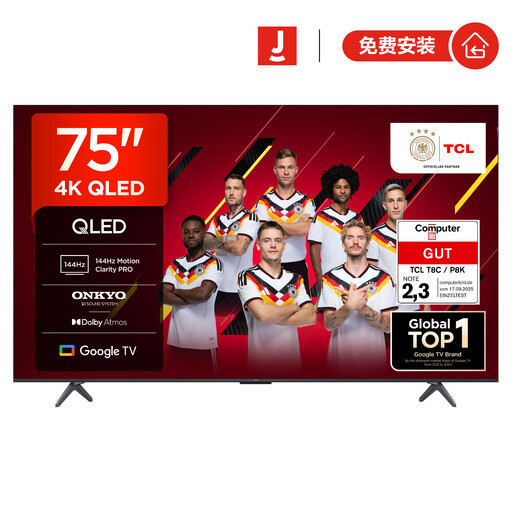
Why we recommend this product The TCL 75T8C positions itself as a large-screen TV with a strong focus on gaming performance. The 75-inch QLED panel with 144 Hz Motion Clarity Pro and FreeSync certification is engineered for responsive and fluid playback. The integration of Google TV provides a comprehensive Smart TV platform, while the Onkyo 2.1 sound system with an integrated subwoofer delivers above-average audio performance without an external soundbar.
Pros
Who it's for For gamers and home theatre enthusiasts who want the maximum screen size for an immersive experience. The comprehensive gaming features and integrated sound system offer a cohesive overall package.
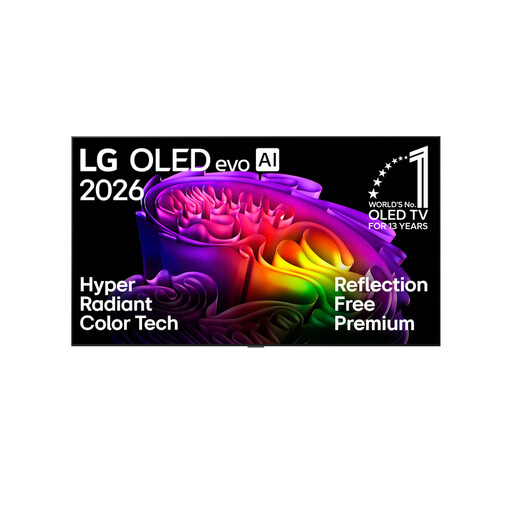
Why we recommend this product This OLED TV model represents the pinnacle of image quality thanks to its self-emissive pixels. The α11 Gen3 4K AI Processor and technologies like Brightness Booster Ultra maximise the inherent advantages of OLED. With gaming performance of up to 165 Hz and support for both NVIDIA G-Sync and AMD FreeSync, it targets demanding users who refuse to compromise on image contrast, colour accuracy, and response time.
Pros
Who it's for For home theatre and gaming purists who want the best possible image quality in a controlled lighting environment. The combination of perfect blacks, a high refresh rate, and broad synchronisation support makes it ideal for cinephiles and competitive gamers.
The models presented here represent a selection covering specific technical profiles. The market offers a variety of other configurations, screen sizes, and technologies. You can find a broader overview in our main category for Gaming 4K TVs.
1. What is more important for gaming: OLED or 144Hz? The priority depends on your use case. For competitive multiplayer games, especially on PC, a 144Hz TV can provide an advantage with its smoother motion. For story-driven single-player games and movies where image contrast and colour depth are paramount, an OLED TV often offers the more immersive experience. Models that combine both features represent the ideal scenario.
2. Do I absolutely need a TV with HDMI 2.1 for the PS5 or Xbox Series X? To unlock the full potential of these consoles, HDMI 2.1 is highly recommended. Only this standard allows for gaming in 4K resolution at 120 frames per second (fps) and the use of VRR. Without HDMI 2.1, playback is typically limited to 4K at 60 fps.
3. Is a large TV worthwhile for competitive gaming? For competitive gaming, a TV that is too large is not always advantageous. On very large screens (over 65 inches), it can be difficult to keep track of all the action in your peripheral vision, which can affect reaction time. For immersive single-player or couch co-op games, however, a large screen significantly enhances the experience. A size between 55 and 65 inches is often considered a good compromise.