
Lieferung heute & morgen

Qualitätsgarantie

Willkommens-Angebote freischalten: KOSTENLOSE Lieferung | Bis zu 80 % RABATT | Kostenlose 30-Tage-JoyPlus-Testphase
App herunterladen
The search for an effective acne cream can be frustrating. The market is saturated with products promising quick results, but they often lead to disappointment or even worsen your skin's condition. As your Joybuy Product Recommendation Officer, I'm here to help you identify the common pitfalls and make an informed decision based on objective criteria.
Many users fall into recurring traps that not only cost money but also compromise skin health. Here are the most common problems:
To find a suitable face cream for blemish-prone skin, you should focus on verifiable properties rather than marketing promises.
A good acne cream often combines several active ingredients to address different aspects of blemishes.
This term is crucial in acne skincare. A non-comedogenic moisturiser is formulated so that it does not clog pores. Look for this label on the packaging to minimise the risk of new blemishes. Ingredients like heavy oils or waxes are typically avoided in such formulations.
A cream's texture significantly influences how it feels on the skin and its suitability for your skin type.
Instead of making a one-size-fits-all recommendation, we have selected products for specific requirement profiles.
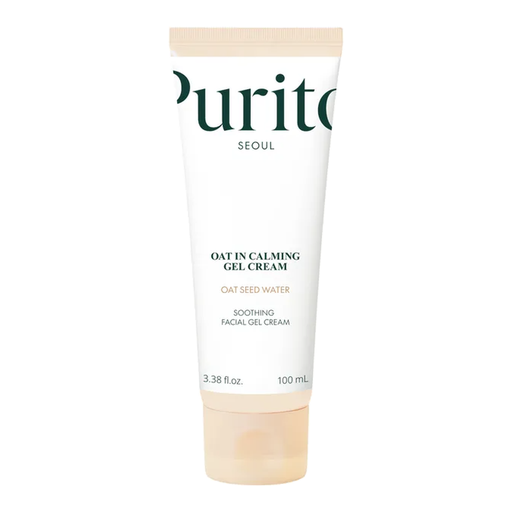
Why it's a good fit: Ideal for users whose skin is stressed and red from blemishes and harsh treatments. The focus is on soothing and restoring the skin barrier, not on aggressive treatment.
This product counters the "drying-out myth." Instead of stripping the skin, it provides intense, soothing moisture and strengthens the barrier to make the skin more resilient.
According to the manufacturer, the formula contains 77% Oat Seed Water, known for its anti-inflammatory properties, as well as Panthenol to support skin regeneration.
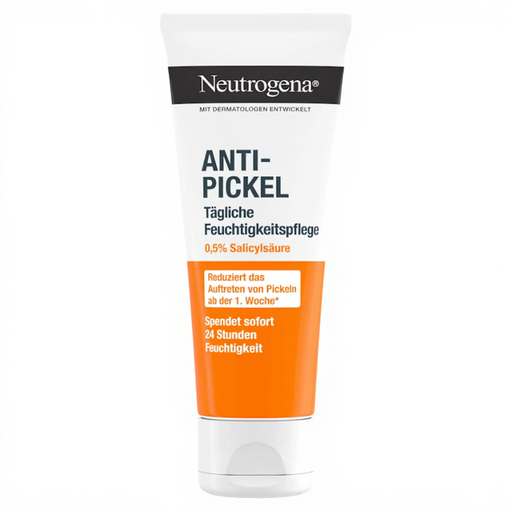
Why it's a good fit: For users seeking a daily moisturiser with an active ingredient to fight pimples and blackheads without throwing the skin off balance.
This product combines an active ingredient (salicylic acid) with moisturising and soothing components. It addresses the "fear of moisturiser" by offering an oil-free, non-comedogenic cream that treats and nourishes simultaneously.
Contains Salicylic Acid to deep-cleanse pores. According to the manufacturer, the oil-free formula with ClearDefend Technology was developed to preserve the skin's natural barrier.
We've compiled a complete, up-to-date list of products that fully meet these strict selection criteria and current regulations.
The effect of an acne cream is individual and depends on the active ingredients and your skin's condition. With products containing salicylic acid or niacinamide, initial improvements can often be seen after a few weeks of consistent use. Skincare requires patience; a full skin cycle takes about 28 days.
Yes, daily use is highly recommended. A well-formulated moisturiser for oily skin provides the necessary hydration without clogging pores. This helps to balance sebum production and maintain a healthy skin barrier, which can contribute to a clearer complexion in the long run.
The term "non-comedogenic" means that a product's formulation is designed not to clog pores. For people with acne-prone skin, this is a crucial quality indicator, as clogged pores are one of the main causes of blackheads and pimples.