
Lieferung heute & morgen

Qualitätsgarantie

Willkommens-Angebote freischalten: KOSTENLOSE Lieferung | Bis zu 80 % RABATT | Kostenlose 30-Tage-JoyPlus-Testphase
App herunterladen
The search for the right acne cream can often feel like navigating a maze. The market is saturated with products promising quick fixes, but they often lead to disappointment, skin irritation, or simply no improvement at all. Many users fall into recurring traps set by marketing promises. Before you make a decision, it's crucial to understand the most common mistakes.
Trap 1: Believing that aggressive drying is the solution. Many blemish treatments rely on a strong drying effect. While your skin might seem less oily in the short term, this approach damages the skin barrier over time. A compromised barrier can lead to increased sensitivity, redness, and paradoxically, an overproduction of sebum, which only makes the problem worse.
Trap 2: Focusing solely on a single "miracle ingredient." A high concentration of a single active ingredient like salicylic acid or benzoyl peroxide is no guarantee of success. A good face cream for blemish-prone skin is defined by a well-balanced overall formulation. If soothing and hydrating components are missing, the skin can react with irritation, even if the main active ingredient is otherwise suitable.
To make an informed decision, you should focus on objective criteria rather than marketing claims. The following three parameters are crucial for selecting an effective and well-tolerated skincare product.
An effective skincare product for acne-prone skin requires a combination of clarifying and soothing ingredients.
Even oily and blemish-prone skin needs moisture. Dehydrated skin can trigger the sebaceous glands to produce even more oil.
Not every pimple cream is suitable for every skin type. The current condition of your skin is the most important factor.
Based on the criteria above, we have curated a selection of products tailored to different user profiles.
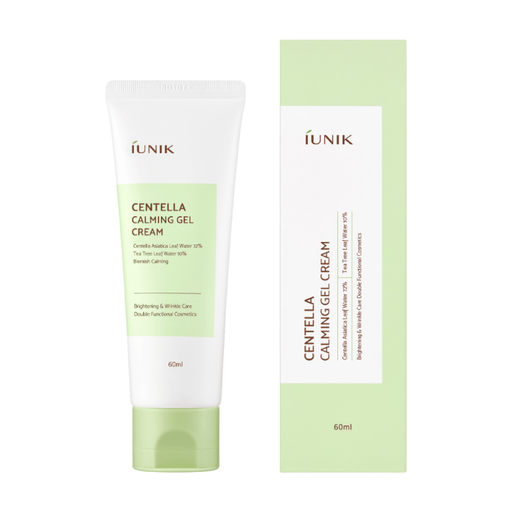
Why This Fits Their Persona: Ideal for individuals whose skin reacts quickly to active ingredients with redness and irritation. The lightweight gel texture provides moisture without feeling heavy, making it excellent for combination or oily skin seeking a calming effect.
This product bypasses the "drying trap" by focusing on intensive soothing and hydration. Instead of stressing the skin, it strengthens it with Centella Asiatica water and Tea Tree water.
According to the manufacturer, the formula contains 72% Centella Asiatica leaf water and 10% Tea Tree leaf water. The lightweight, non-sticky gel-cream texture absorbs quickly, leaving the skin feeling refreshed.
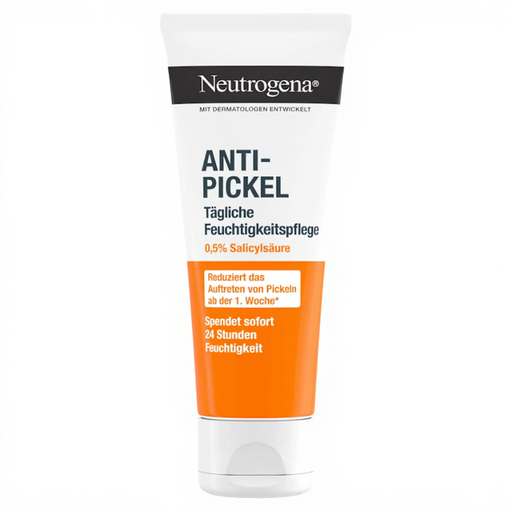
Why This Fits Their Persona: Suitable for users seeking a targeted solution for pimples and blackheads, whose skin is not overly sensitive. The cream is specifically designed for the daily care of blemish-prone skin.
This product avoids the "miracle ingredient trap." While it relies on salicylic acid to combat blemishes, it combines it with soothing ingredients like Aloe Vera and Chamomile in a hydrating base.
Contains Salicylic Acid for the targeted treatment of blemishes. The oil-free formula provides moisture without clogging pores and is designed as a non-comedogenic face cream.
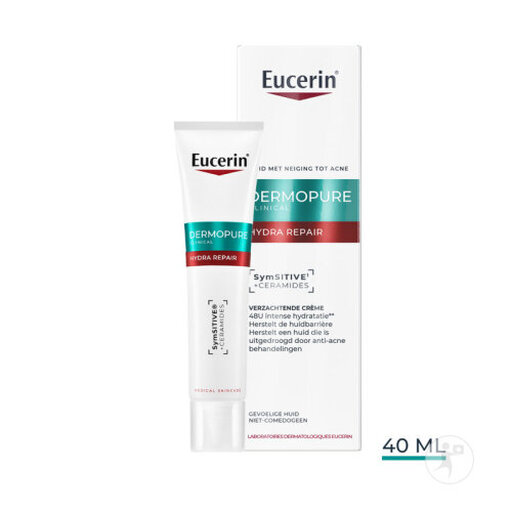
Why This Fits Their Persona: Perfect for individuals whose skin is stressed, dry, and irritated from drying medical acne treatments. They need a product that provides intense moisture and repairs the skin barrier instead of further irritating it.
This product is the direct answer to the "drying trap." It contains no active anti-pimple ingredients, focusing entirely on alleviating irritation and restoring the skin barrier.
The formula contains Ceramides to strengthen the skin barrier and Panthenol for soothing. It is fragrance-free and hypoallergenic to minimise the risk of irritation on extremely sensitive skin.
We have compiled a complete, up-to-date list of products that fully meet these strict selection criteria and European safety regulations.
The frequency of application depends on the specific product and its active ingredients. A hydrating and soothing cream can typically be applied once or twice daily to cleansed skin. Products with higher concentrations of active ingredients like salicylic acid or special spot treatments should be used according to the manufacturer's instructions, often just once a day or applied directly to affected areas.
No, as long as you choose the right product. A lightweight, oil-free, and labelled non-comedogenicmoisturiser for oily skin is actually beneficial. It helps regulate the skin's moisture balance. Well-hydrated skin is less likely to overproduce sebum in a reactive response, which can in turn promote the formation of blemishes.
The term "non-comedogenic" indicates that a product has been formulated to be less likely to clog pores. For people with acne-prone skin, this is a crucial selection criterion for all facial skincare products, from cleansers to pimple creams, to reduce the risk of developing new blackheads and pimples.