
Lieferung heute & morgen

Qualitätsgarantie

Willkommens-Angebote freischalten: KOSTENLOSE Lieferung | Bis zu 80 % RABATT | Kostenlose 30-Tage-JoyPlus-Testphase
App herunterladen
With so many models and technical specifications on the market, finding the right action cam can quickly become overwhelming. From 4K resolution and image stabilisation to 360-degree recording, the range of features is vast. This guide is designed to help you understand the technical jargon and make an informed decision. We'll introduce a selection of cameras for different use cases and budgets to give you a clear overview of the 2026 market.
Before you buy an action cam, you should consider a few key features that determine the camera's performance and its ideal applications.
Resolution is a key criterion. While 4K action cams have become the standard, some models already offer 5.3K or even 8K. Higher resolution means more detailed footage and greater flexibility in post-production. Just as important is the frame rate (fps). A high frame rate of 60, 120, or even 240 fps is crucial for smooth slow-motion shots, which look particularly impressive in fast-paced sports.
Action scenes are rarely still. Good electronic image stabilisation (EIS) is therefore essential to avoid shaky footage. Modern systems can digitally compensate for camera movements, delivering smooth video that looks almost as if it were filmed with a gimbal. Also, pay attention to durability: many cameras are natively a waterproof camera up to a certain depth, while others require an additional housing. For use as a helmet cam when mountain biking or skiing, shock resistance and secure mounting are also important.
Consider what you'll primarily use the camera for. For vloggers, a front-facing screen for framing shots is a practical feature. If you want to create particularly creative and immersive videos, you should consider a 360-degree camera. These capture the entire environment, allowing you to freely choose the frame in post-production. A comprehensive accessory bundle can also make it easier to get started and save you money.
Here is a selection of models that cater to different needs and user groups. This action cam comparison is based on the objective technical specifications provided by the manufacturers.
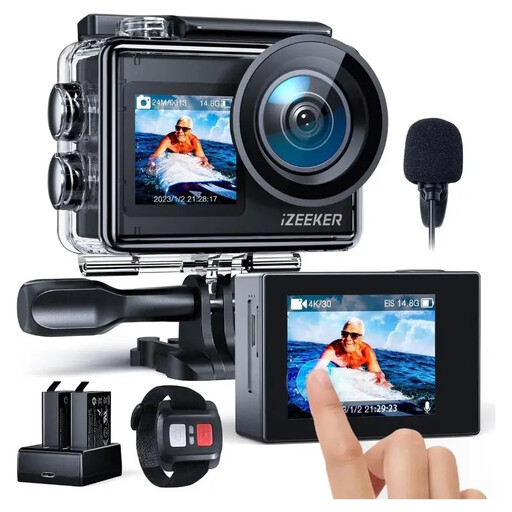
Why It Stands Out The iZEEKER iA200 is positioned as an accessible GoPro alternative for beginners. It offers a comprehensive package that includes not only the camera but also a waterproof case, a remote control, and a variety of mounts. This makes it a convenient solution for users who want to get started right away without having to buy extra accessories.
Pros
Who Is It For? This model is ideal for budget-conscious beginners and casual users looking for a solid sports camera with a complete accessory package to capture their adventures.
View details for the iZEEKER iA200
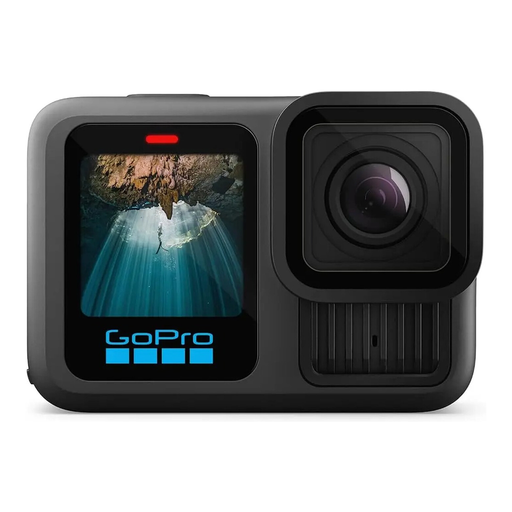
Why It Stands Out The GoPro HERO13 Black represents high performance and professional features. With its ability to record 5.3K video at 60 fps and its advanced HyperSmooth 6.0 stabilisation, it's aimed at users who prioritise maximum image quality and smooth footage. The expandable lens system offers additional creative possibilities.
Pros
Who Is It For? The HERO13 Black is the choice for content creators, sports enthusiasts, and professional users who need a reliable, high-performance camera with top-tier image quality and stabilisation.
View details for the GoPro HERO13 Black
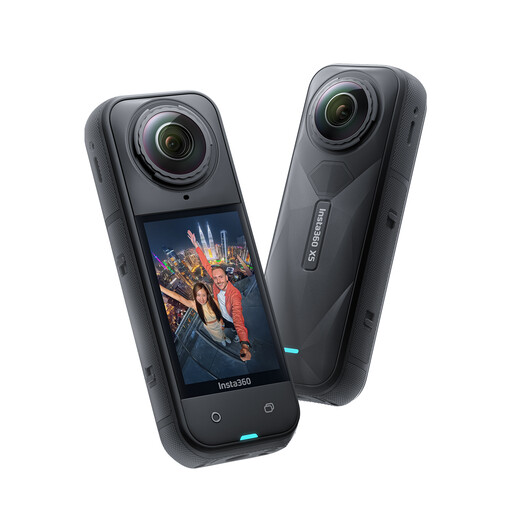
Why It Stands Out The Insta360 X5 redefines creative freedom by recording 8K 360-degree video. Its standout feature is the "Invisible Selfie Stick," which allows for third-person perspective shots without the stick appearing in the frame. The ability to choose the frame later (reframing) offers maximum flexibility in post-production.
Pros
Who Is It For? This camera is perfect for vloggers, filmmakers, and all creatives who want to experiment with new perspectives and create immersive content that stands out from the crowd.
View details for the Insta360 X5
The models featured here cover a wide spectrum, but the market offers many other cameras with specific strengths. Whether you need an especially compact camera for discreet recording or a model with extra-long battery life, there's a suitable solution for almost every need.
Explore our full range of the best action cameras and find the perfect model for your adventures.
Both factors are important and depend on the intended use. A high resolution (e.g., 4K or higher) is beneficial for detailed landscape shots or if you want to zoom into the image in post-production. A high frame rate (60 fps or more) is crucial for capturing fast motion and creating smooth slow-motion videos. For most sports footage, a combination of 4K resolution and 60 fps is a good compromise.
A 360-degree camera is an excellent choice for users who want maximum creative freedom. It captures the entire environment, so you don't have to worry about framing your shot during recording. In post-production, you can freely choose the viewing angle and create traditional "flat" videos or use the footage for immersive VR experiences. For users who primarily film from a fixed perspective, a conventional action cam is often sufficient.
Electronic image stabilisation (EIS) is a digital technology that corrects camera shake in real time. The camera's image sensor captures a slightly larger image than is needed for the final video resolution. An algorithm analyses the camera's movements using gyroscopic sensors and shifts the active frame to compensate for these movements. The result is a significantly smoother and more professional-looking video, without the need for a mechanical gimbal.