
Lieferung heute & morgen

Qualitätsgarantie
App herunterladen
Kategorien
Owning pets enriches our daily lives, but it inevitably leads to an increased concentration of airborne particles. Pet hair, dander (allergens), and associated odours can compromise indoor air quality. An air purifier for pet hair is a device specifically designed to reduce these pollutants. The effectiveness of such a device depends on objective, measurable parameters like its filter technology and air delivery rate.
Choosing a suitable model should be based on an analysis of its technical specifications. The following criteria are crucial for performance.
A multi-stage filtration system is essential for the comprehensive purification of indoor air from particles and odours.
The CADR indicates how much clean air a device delivers per hour (measured in cubic metres per hour, m³/h). This value is crucial for determining its suitability for a specific room size. As a rule of thumb, the air purifier should circulate the air in the room completely at least twice per hour.
Calculation Formula: Room Area (m²) × Room Height (m) × 2 = Recommended Minimum CADR (m³/h)
A device with a CADR that is too low for the room will not be able to significantly improve air quality.
Some models offer features specifically tailored to the needs of pet owners:
A quiet air purifier is essential for use in living rooms and bedrooms. The noise level is specified in decibels (dB). Values below 35 dB in sleep mode are considered very quiet.
A smart air purifier offers added convenience through app control, scheduling, and automatic performance adjustment based on data from air quality sensors.
Based on the technical criteria mentioned above, we present two models designed for households with pets.
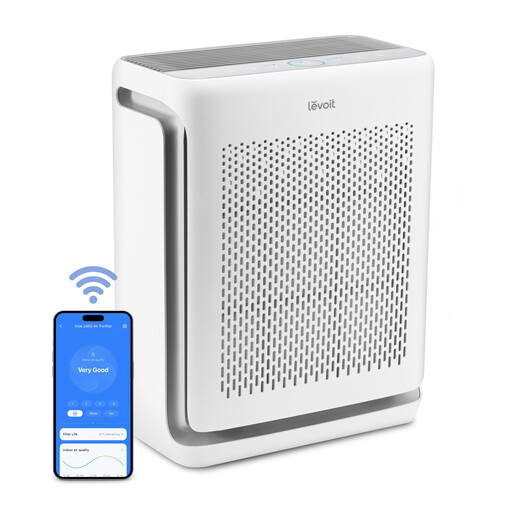
Why we recommend this product: The Levoit Vital 200S Pro is designed for high performance in large rooms. Its CADR of 416 m³/h enables effective air purification in areas up to 88 m² with two air changes per hour. The three-stage filtration system, featuring a washable pre-filter, HEPA filter, and activated carbon filter, specifically targets pet hair, allergens, and odours. The wide, U-shaped air inlet is specially designed to efficiently capture pet hair and minimise clogging.
Pros:
Who it's for: This model is ideal for individuals with large living areas or open-plan layouts who are looking for a powerful and smart solution to combat allergens and pet hair.
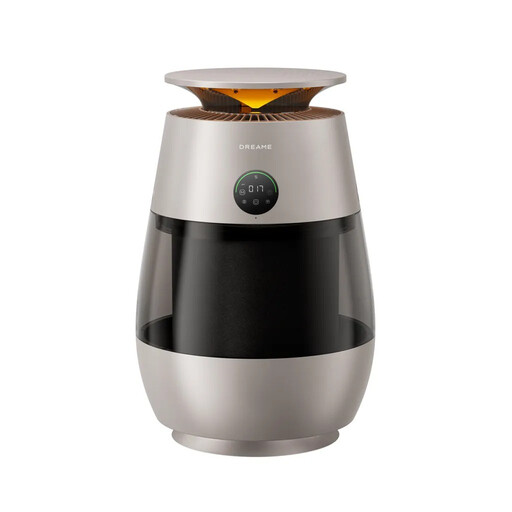
Why we recommend this product: The Dreame Pet Air Purifier takes a multifunctional approach specifically tailored to the needs of cat owners. The device combines a five-stage purification technology with a 360° high-pressure air circulation system that actively captures airborne hair. A unique feature is the transparent hair collection bin, which allows for visual inspection without opening the device. Additional features, like the interactive laser pointer function and the top surface designed as a resting spot, integrate the device into the cat's living space.
Pros:
Who it's for: This device is an excellent choice for pet owners, especially those with cats, in rooms up to 55 m². It appeals to users looking for a device that not only purifies the air but also functions as an interactive and safe element for their pet.
The models presented cover specific use cases for pet owners. Should your requirements differ in terms of room size, design, or feature set, you can find a broader selection of models in our main category.
Discover more Air Purifiers and Humidifiers
1. How often should the filter be changed in an air purifier for pet hair? The replacement intervals depend on the intensity of use and the level of air pollution. If washable, pre-filters should be cleaned every 2-4 weeks. HEPA and activated carbon filters typically need to be replaced every 6-12 months. Most modern devices have a filter replacement indicator that notifies the user.
2. Does an air purifier really help with pet odours? Yes, as long as the device is equipped with a sufficiently large activated carbon filter. This type of filter specialises in binding the gaseous molecules responsible for odours through adsorption. A HEPA filter alone is ineffective against odours.