
Lieferung heute & morgen

Qualitätsgarantie

Willkommens-Angebote freischalten: KOSTENLOSE Lieferung | Bis zu 80 % RABATT | Kostenlose 30-Tage-JoyPlus-Testphase
App herunterladen
Dry air from heating in the winter, pollen in the spring, or the constant presence of pet hair—many factors can compromise the air quality in our homes and offices. This can affect well-being, sleep, and overall health, especially for allergy sufferers. However, choosing the right device to improve your indoor air can be a challenge given the vast array of models and features.
This guide is here to help. We'll introduce different types of devices, explain key features, and present a selection of top products to help you make an informed decision.
Before you decide on a model, it's helpful to understand a few basic criteria. These will help you find the device that best meets your specific needs.
One of the first considerations is whether you need a combination air purifier and humidifier or if separate devices are the better choice.
For air purifiers for allergy sufferers, filter technology is crucial. The HEPA standard is a key indicator here.
Everyday comfort largely depends on the operating noise level and extra features.
Here is a selection of devices that cover a range of needs—from basic humidifiers to combination units.
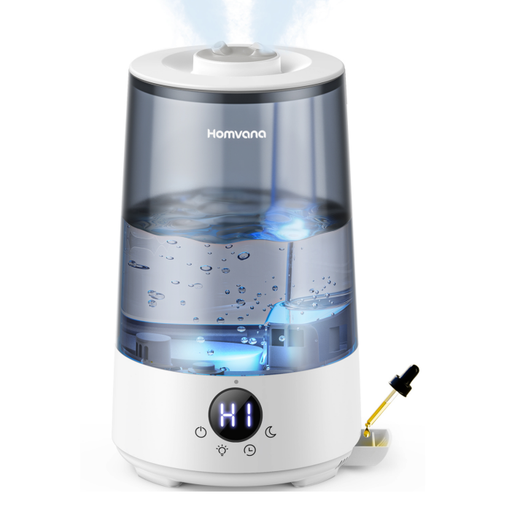
Why it stands out: The Homvana H101 focuses on quiet and efficient humidification. With an operating noise level of just 16 dB in sleep mode, it is specially designed for noise-sensitive environments like bedrooms or nurseries.
Pros:
Who is it for? This model is an excellent choice for those looking for a straightforward, very quiet humidifier for the bedroom who also appreciate the option of subtle aromatherapy.

Why it stands out: The DREO HHM013S is a smart humidifier with an extensive feature set. It offers both cool and warm mist, high humidification output, and can be fully controlled via an app.
Pros:
Who is it for? Ideal for tech-savvy users who want precise control over their indoor climate and appreciate the convenience of app control. Its high output makes it suitable for large living rooms or open-plan office spaces.
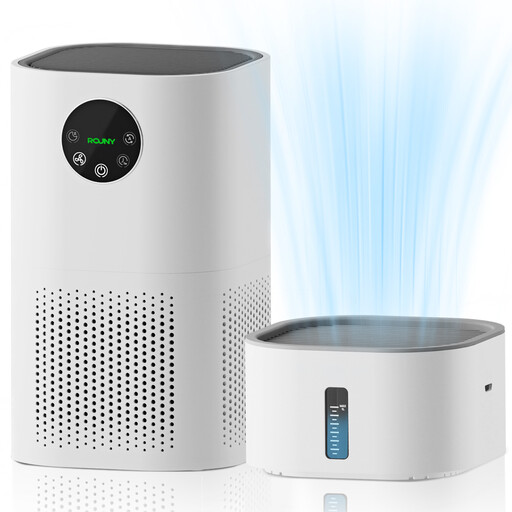
Why it stands out: This device is a true combination air purifier and humidifier. It combines an H13 True HEPA Filter with a humidifying function, making it an all-in-one solution for a healthier indoor climate.
Pros:
Who is it for? This model is the right choice for users looking for an integrated solution for medium-sized rooms. It's particularly suitable for allergy sufferers or pet owners who would benefit from both clean and adequately humidified air.
The models featured here already cover a wide range of needs. However, if you want to compare more alternatives or learn about specialised devices, you can find a larger selection in our comprehensive category.
? Discover More Household Humidifiers on Joybuy.de
1. What is the difference between an air purifier and a humidifier? An air purifier filters particles like dust, pollen, smoke, and pet dander from the air to improve its quality. A humidifier, on the other hand, adds moisture to the air in the form of water vapour or a fine mist to counteract dry indoor air.
2. Do I need a combination air purifier and humidifier? A combination unit makes sense if you want to solve both problems—dry air and high particle levels—in the same room and value a space-saving solution. If you only have one of these issues, or if you plan to use the devices in different rooms or at different times, separate units may be more flexible.
3. How often should I change the filter in an air purifier? A filter's lifespan depends heavily on usage duration and the level of air pollution in its environment. As a general guideline, most manufacturers recommend a replacement every 3 to 6 months. Many modern devices have a filter replacement indicator to remind you. Always follow the specific recommendations from the manufacturer for your model.