
Lieferung heute & morgen

Qualitätsgarantie

Willkommens-Angebote freischalten: KOSTENLOSE Lieferung | Bis zu 80 % RABATT | Kostenlose 30-Tage-JoyPlus-Testphase
App herunterladen
A reliable casserole dish is the foundation for countless meals—from classic lasagna and succulent roasts to creamy gratins. An aluminium casserole dish promises exceptionally even cooking results thanks to its excellent heat conductivity. However, the market is flooded with products of widely varying quality. Before you make a decision, it's crucial to understand the typical weak points that often only become apparent after a few uses.
As your Joybuy Product Recommendation Officer, I'm here to help you separate the wheat from the chaff. In this guide, we'll focus on the objective criteria that define a durable and functional oven dish and show you how to sidestep common purchasing traps.
Many buyers focus on price, but especially with cookware, an initial saving can quickly lead to frustration in the kitchen. Watch out for these three common flaws:
To avoid buyer's remorse, don't be swayed by marketing promises. Instead, focus on verifiable product features. The following three points are crucial for the longevity and functionality of your new casserole dish.
The quality of the aluminium is fundamental. Sufficient material thickness is essential for shape retention and even heat distribution. Some manufacturers, such as Tefal, use recycled aluminium. According to the manufacturer, this material can be up to twice as durable as conventional aluminium, and its production requires significantly less energy. Look for information on material robustness to ensure your aluminium bakeware remains warp-resistant for years to come.
A non-stick casserole dish makes cooking and cleaning much easier. The quality and safety of the coating are critical here. Look for an explicit statement that the coating is PFOA, lead, and cadmium-free. This is an important standard for health-conscious cookware. High-quality coatings are also more resistant to abrasion, although you should always avoid using metal utensils to protect the surface.
Consider which dishes you will primarily use the pan for. A rectangular, deeper aluminium lasagna pan is perfect for layered dishes. In contrast, a shallower, wider aluminium roasting pan is ideal for roasts with vegetables. Some models, like the Tefal Success casserole dish, come with a matching lid. This is practical for keeping food warm, transporting it, or storing it in the refrigerator.
Based on the objective criteria mentioned above, we have identified a few products suitable for different user profiles.
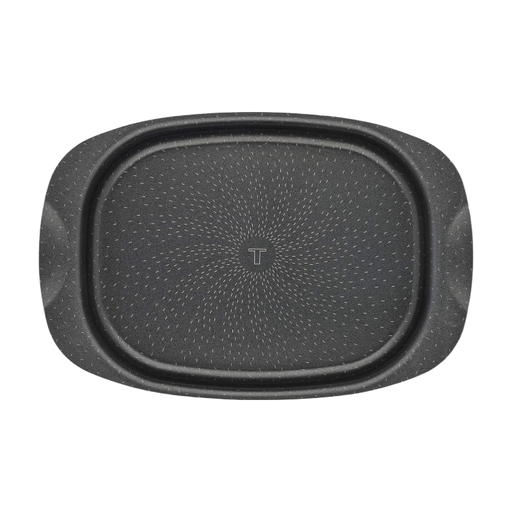
Why it's a good fit: The generous rectangular shape with a 4.75-litre capacity is ideal for preparing lasagna, pasta bakes, or vegetable gratins for the whole family. The included lid enhances its functionality for transport and storage.
The robust, recycled aluminium ensures even heat distribution and prevents warping. The PFOA, lead, and cadmium-free non-stick coating is designed for longevity with proper care.
Large capacity and a matching lid for maximum versatility.
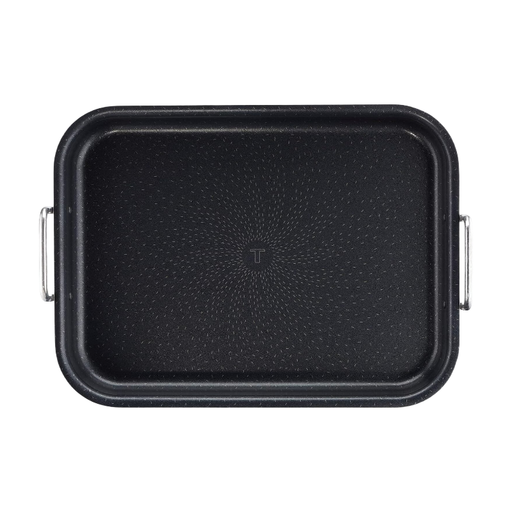
Why it's a good fit: Those who cook frequently and value precise results will benefit from this model's thoughtful details. The sturdy handles provide a secure grip, even when using oven mitts.
The high-quality ProBaking non-stick coating is designed for a long lifespan. The integrated Tefal Hot-Spot indicator helps you identify the optimal temperature, actively preventing "hot spots" and burning.
ProBaking non-stick coating and Hot-Spot indicator for controlled and even cooking results.
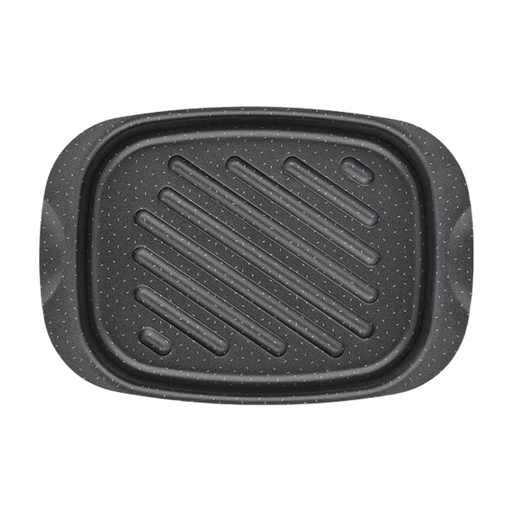
Why it's a good fit: Designed as a classic roasting pan, its size and shape make it excellent for roasting meat and poultry, as well as for preparing large quantities of roasted vegetables or casseroles.
Made from 100% recycled aluminium, this roasting pan offers excellent heat conduction for even cooking. The reinforced ProBaking non-stick coating is designed for regular use and simplifies cleaning.
Versatile for use as an aluminium roasting pan and a large casserole dish; reinforced non-stick coating.
We have compiled a complete, up-to-date list of products that fully meet these strict selection criteria and safety regulations.
Modern, high-quality aluminium bakeware is typically fitted with a protective layer or a non-stick coating. These coatings, especially when declared PFOA, lead, and cadmium-free, prevent direct contact between food and the aluminium. With uncoated aluminium, prolonged contact with very acidic or salty foods should be avoided, as small amounts of aluminium could leach into the food.
To maximise the life of the coating, you should follow a few simple rules. Only use utensils made of wood, plastic, or silicone. Allow the dish to cool completely after use before cleaning it. Even though many dishes are labelled as dishwasher-safe, hand washing with a soft sponge and mild detergent is recommended as it is gentlest on the non-stick surface.
Yes, this problem occurs mainly with very cheap and thin-walled models. Warping not only affects the cooking results but also safety. When buying, look for a solid material thickness and signs of robust construction, such as those found in dishes made from reinforced or recycled aluminium. These offer significantly greater stability at high temperatures.