
Lieferung heute & morgen

Qualitätsgarantie

Willkommens-Angebote freischalten: KOSTENLOSE Lieferung | Bis zu 80 % RABATT | Kostenlose 30-Tage-JoyPlus-Testphase
App herunterladen
An anti-ageing cream is designed to moisturise dry skin and care for the appearance of fine lines, wrinkles and an uneven complexion. The choice ranges from a classic face cream for wrinkles and a retinol cream to Korean skincare featuring PDRN, ceramides or hyaluronic acid. This variety can make comparing products difficult.
As a Joybuy Product Recommendation Officer, I filter the key information from product descriptions and assess it according to skin type, usage and active-ingredient profile. The important thing is not a marketing title, but whether the texture, ingredients and usage suit your skincare routine.
Names such as “PDRN”, “peptides” or “hyaluronic acid” may sound meaningful. However, the complete INCI list is what matters when choosing a product. It shows whether the formula also contains humectants, lipids, fragrances or potentially irritating essential oils. The exact concentration is not specified for many cosmetic ingredients.
For example, a hyaluronic acid cream may primarily help to bind moisture, while a richer cream containing shea butter, oils and ceramides may be more suited to dry-feeling skin. Neither characteristic replaces assessing your individual skin type.
A night cream or day moisturiser without a stated sun protection factor does not specifically protect against UV radiation. If you use an anti-ageing face cream in the morning, a separate sunscreen with suitable labelling should form part of your routine. An existing SPF 15, as found in the Neutrogena model, is a product feature, but should not automatically be considered sufficient protection for every situation.
Retinol can cause dryness, redness or flaking when your skin is not used to it. Beginners should introduce a retinol cream gradually, initially using it on just a few evenings each week. On the same evening, strong AHA or BHA exfoliants and other potentially irritating active ingredients are best avoided.
During pregnancy and breastfeeding, the warnings for the individual product are particularly important. The product information for The Retinol 0.3 Cream advises against using it during pregnancy or breastfeeding. If you are unsure, it is sensible to seek medical advice.
First, identify your skincare goal:
Marketing terms such as “firming face cream” often describe the desired skincare effect, but are not a standardised measure of quality. Therefore, compare the ingredients, packaging, fill volume and usage instructions.
For dry, mature skin, a cream with a higher proportion of oils, butters or film-forming ingredients may feel more comfortable. Lightweight gel creams are often better suited for wearing under make-up or for skincare routines involving multiple layers. If you have sensitive skin, check fragrances such as Limonene, Linalool, Citronellol and essential oils carefully.
A moisturiser for mature skin does not necessarily have to contain a retinoid. If dryness and tightness are your main concerns, a barrier-supporting moisturiser may be the more suitable daily base.
Retinol is sensitive to light and oxidation. Follow the storage instructions provided by the manufacturer, check the period after opening and ensure the packaging is properly sealed. According to the product information, The Retinol 0.3 Cream is supplied in an airtight tube and should be stored in the fridge after purchase and after opening.
Before use, always check the best-before date, batch number and current INCI list on the packaging. Product information may change from one batch to another.
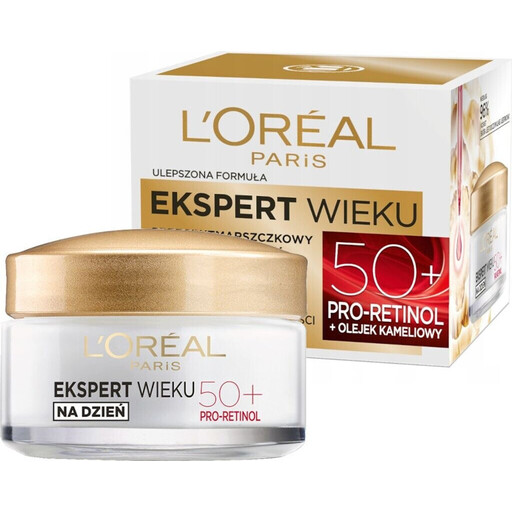
Why this product suits the profile: This 50 ml day cream is designed for mature skin and contains ingredients including glycerin, adenosine and Retinyl Palmitate. It is suitable for shoppers looking for a classic cream for their daily facial skincare routine.
The product description names the ingredients and explains how to use the cream, rather than relying solely on general anti-ageing claims. However, no sun protection is stated.
50 ml, classic cream texture and morning and evening use according to the product information.
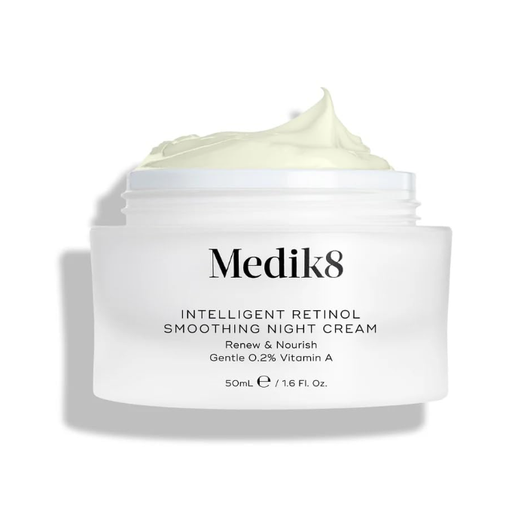
Why this product suits the profile: According to the product description, this night cream contains 0.2% time-release retinol, along with vitamin E and Sodium Hyaluronate. Its gradual introduction suits shoppers who prefer a structured retinol routine.
The recommended progression from twice-weekly use to more frequent application reduces the risk of introducing retinol too quickly. Fragranced plant oils are listed in the INCI formula.
0.2% time-release retinol, night-time use and squalane in the stated formula.
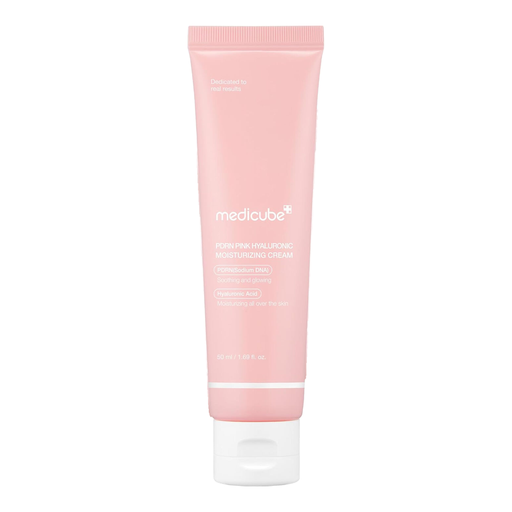
Why this product suits the profile: This 50 ml PDRN cream combines PDRN, Sodium Hyaluronate, niacinamide, adenosine and Ceramide NP. It is aimed at shoppers whose priority is hydration and a pleasantly lightweight texture.
Alongside PDRN, the formula clearly identifies moisturising and barrier-supporting ingredients. Even so, check the current INCI list on the packaging before buying.
50 ml, lightweight non-greasy texture according to the description, with morning and evening use.
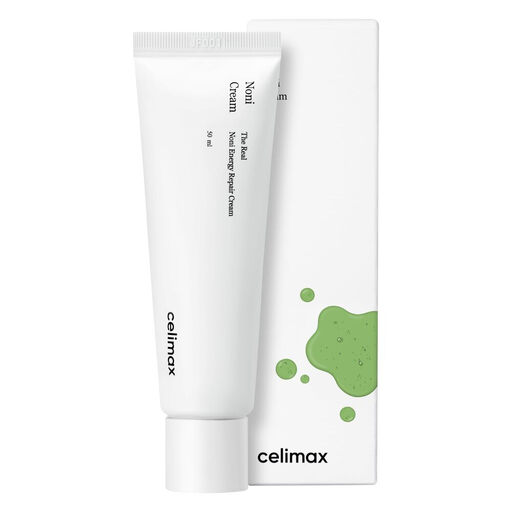
Why this product suits the profile: According to the product information, this Korean cream contains 55% noni fruit extract, 1% noni seed oil, Ceramide NP, squalane and Sodium Hyaluronate. Its richer profile suits dry skin looking for a final moisturising step.
The formula names specific lipids and humectants rather than relying solely on a general K-beauty term. Due to the rosemary oil and numerous plant-based ingredients, a patch test is advisable.
50 ml, Ceramide NP, squalane and shea butter in the stated formulation; described for morning and evening use.
We have put together a complete, regularly updated list of products that fully meet these strict selection criteria and the safety regulations applicable in the EU.
For dry skin, consider formulations containing glycerin, hyaluronic acid, ceramides, squalane, shea butter or plant oils. A rich night cream for wrinkles may feel more comfortable than a lightweight gel cream. If you have sensitive skin, you should also check for fragrances and essential oils.
Depending on the product instructions, start by using it a few times a week and only increase the frequency if your skin tolerates it well. Preferably use retinol in the evening and apply sunscreen the following morning. If redness, burning or flaking persists, stop using the product for a while.
The best-before date shown on the packaging and the symbol indicating the period of use after opening are the key points of reference. For example, The Retinol 0.3 Cream is stated to be usable for three months after opening. Changes in smell, colour or consistency are a reason to stop using the product.