
Lieferung heute & morgen

Qualitätsgarantie

Willkommens-Angebote freischalten: KOSTENLOSE Lieferung | Bis zu 80 % RABATT | Kostenlose 30-Tage-JoyPlus-Testphase
App herunterladen
The market for anti-ageing creams is overwhelming. Countless products promise more youthful skin, but not all deliver on their advertising claims. As your Joybuy Product Recommendation Officer, I'm here to help you understand the key criteria for making an informed choice that suits your skin type and needs.
Many consumers invest in products only to be disappointed by the results. This is often due to two common pitfalls:
To avoid these traps, it's important to understand the fundamentals of effective skincare.
Before making a decision, you should check three core aspects. These will help you separate marketing promises from actual product performance.
The INCI list (International Nomenclature for Cosmetic Ingredients) is ordered by concentration. Ingredients that make up more than 1% are listed at the beginning in descending order. Substances under 1% can follow in any order. Ensure that proven active ingredients are listed as close to the top as possible.
A firming face cream is not one-size-fits-all. The texture must match your skin type to work optimally and not worsen existing skin issues.
Packaging is crucial for the stability of the active ingredients. Sensitive ingredients like retinol and Vitamin C are sensitive to light and air. An open cream jar that you dip your fingers into daily exposes the formula to oxygen and bacteria, which can reduce its effectiveness. Airless pump dispensers or opaque tubes are a much better choice to preserve the quality of the product down to the last drop.
Based on the criteria above, we have selected a few products for different user profiles.
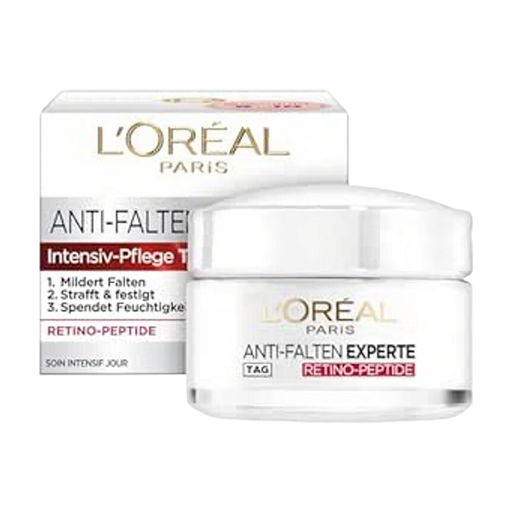
Why it's a match: It specifically targets the needs of skin aged 45 and over, offering a proven formula at an accessible price point. Ideal for anyone looking to start a targeted routine without making a major investment.
The product doesn't rely on vague promises but on a clear description of its function. According to the manufacturer, the formula with Retino-Peptides is designed to stimulate cell regeneration.
Delivers a triple action (wrinkle reduction, elasticity, 24h moisture) in one product, simplifying the daily care routine.
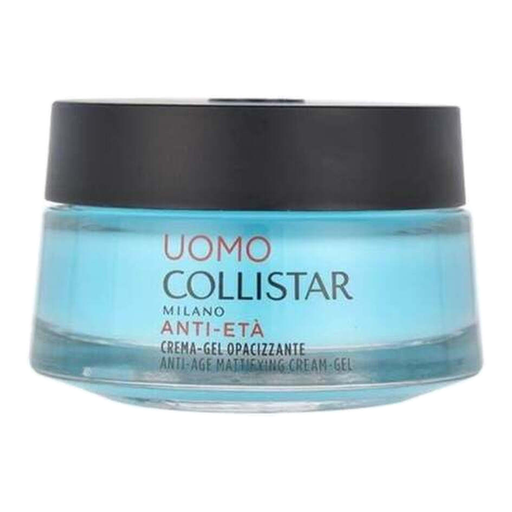
Why it's a match: Specifically developed for men's skin, which is often oilier. The lightweight gel-cream texture absorbs quickly without leaving a greasy film and provides a matte finish—a common requirement for men's skincare products.
Instead of being a generic cream meant for everyone, this product addresses a specific need (mattifying) with a suitable texture. This prevents an overly rich cream from causing unwanted shine.
A light, non-greasy formula with revitalising active ingredients that combat signs of fatigue and protect the skin from environmental stressors.
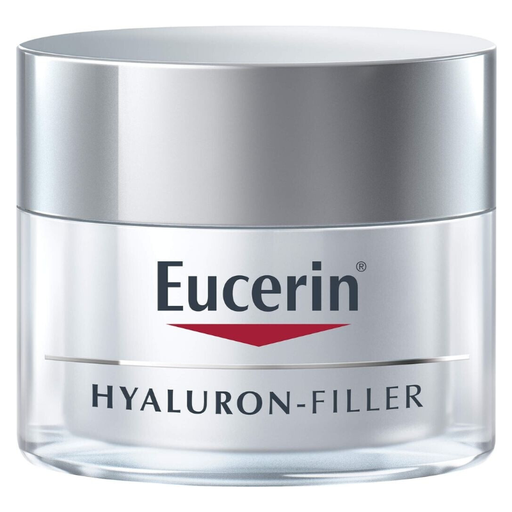
Why it's a match: For users who trust dermo-cosmetic brands and prioritise sun protection as a core anti-ageing measure. The combination of hyaluronic acid and a high SPF makes it a comprehensive day care product.
This product offers a concrete, measurable benefit: SPF 30 to protect against photoageing, one of the main causes of wrinkles. The function of the ingredients (Hyaluron, Saponin) is clearly explained.
Combines intensive moisture and wrinkle-filling with reliable daily UV protection. An additional sunscreen is no longer essential for normal daily exposure.
We have compiled a comprehensive, up-to-date list of products that meet these strict selection criteria and standards.
There's no one-size-fits-all answer, as skin ageing is individual. Generally, starting a preventive care routine in your mid-20s can be beneficial. The focus here is on hydration, antioxidants, and, most importantly, daily sun protection. From the age of 30, when the body's own collagen production begins to decline, more targeted active ingredients like retinol or peptides can be integrated into the routine.
Caution is advised when using retinol. Beginners are advised to start with a low concentration and apply the cream only two to three times a week in the evening. This allows the skin to get used to the active ingredient. If no irritation such as redness or dryness occurs, the frequency can be slowly increased to daily use. Important: Daily sun protection is essential when using retinol, as the ingredient makes the skin more sensitive to light.
An anti-ageing day cream primarily focuses on protecting the skin from the stresses of the day. It often contains antioxidants to defend against free radicals and, ideally, a Sun Protection Factor (SPF) to shield the skin from UV radiation. Its texture is usually lighter so that it works well under makeup. A night cream for mature skin, on the other hand, is designed for regeneration and repair. It is typically richer and contains higher concentrations of active ingredients like retinol or glycolic acid, as the skin is more receptive to the cell repair process at night.