
Lieferung heute & morgen

Qualitätsgarantie

Willkommens-Angebote freischalten: KOSTENLOSE Lieferung | Bis zu 80 % RABATT | Kostenlose 30-Tage-JoyPlus-Testphase
App herunterladen
Finding the right anti-aging day cream with SPF can quickly become a complex task. The market is flooded with products making a wide array of promises. But not every cream that promises to reduce wrinkles and provide sun protection actually delivers on its claims. Many users invest in products that either fail to deliver the desired anti-aging effects or, more critically, offer inadequate protection against photoaging.
As your Joybuy Product Recommendation Officer, I'm here to help you identify the common pitfalls and make an informed decision. We'll focus on the objective criteria that truly matter.
Marketing messages can obscure a product's true performance. Pay close attention to these two points to avoid disappointment:
To make the right choice, focus on the following technical parameters instead of being swayed by marketing promises.
The Sun Protection Factor (SPF) primarily indicates protection against UVB radiation, which is responsible for sunburn. Equally important for preventing skin aging is protection from UVA rays, which penetrate deeper into the skin and break down collagen.
A good day cream for mature skin combines hydration, protection, and active ingredients. Look for formulas that contain several of the following components:
The cream's texture is crucial for how it feels on the skin and its compatibility. An unsuitable formulation can lead to clogged pores or an unpleasant oily sheen.
Based on the criteria above, we have compiled a selection of products suitable for different needs and skin types.
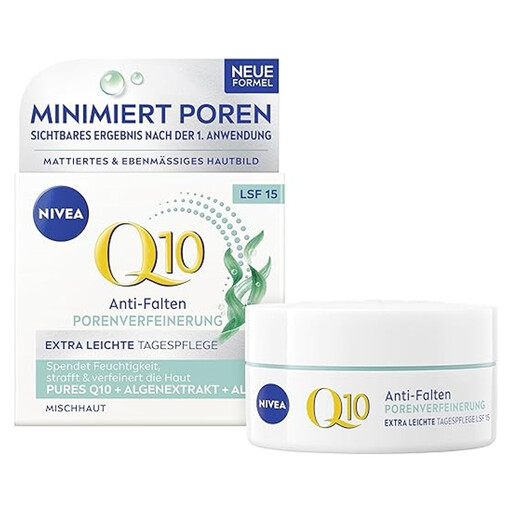
Why this product is a good fit: This cream is tailored to the needs of combination skin. The lightweight formula aims to refine pores while providing moisture without leaving a greasy film. It offers solid basic protection for a typical day at the office.
The product offers transparent performance. The SPF 15 is clearly stated and is sufficient for days with low sun exposure, without suggesting a higher level of protection that it doesn't provide.
The formula with algae extract and coenzyme Q10 is specifically designed to regulate combination skin and provides a mattifying effect.
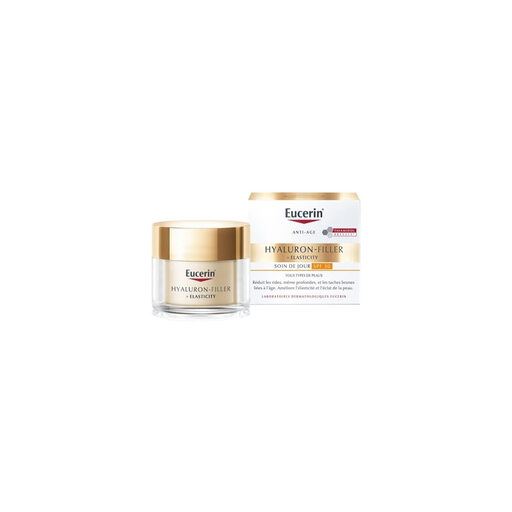
Why this product is a good fit: This cream is aimed at mature skin that is losing elasticity. It combines hydrating hyaluronic acid with active ingredients that target skin firmness, all while providing reliable daily sun protection.
With SPF 30 and integrated UVA protection, this cream meets the recommendation for effective daily protection, thus avoiding the pitfall of having too low an SPF.
According to the manufacturer, the formula contains Arctiin to support collagen production and Thiamidol to reduce dark spots—a multifunctional approach.
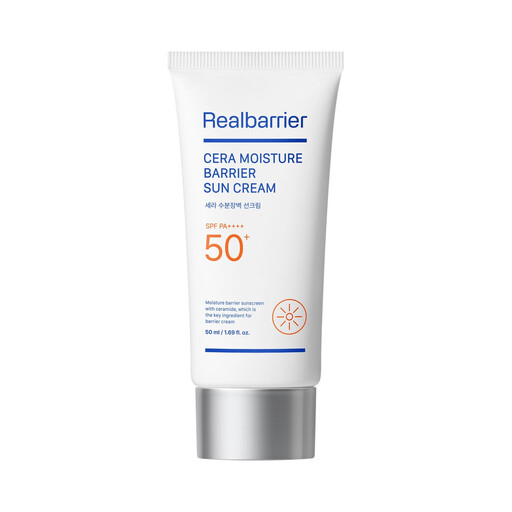
Why this product is a good fit: For anyone who prioritises maximum sun protection. With SPF 50+ and the highest UVA protection rating (PA++++), this cream is ideal for fair, sensitive skin or for days with intense sun exposure. The focus is on protecting and strengthening the skin barrier.
This product avoids both pitfalls: it offers uncompromisingly high broad-spectrum protection and relies on a scientifically-backed formula to strengthen the skin barrier, rather than a single trendy ingredient.
The patented MLE technology with ceramides and panthenol aims to repair and fortify the skin barrier, which is particularly beneficial for sensitive skin.
We have compiled a complete, up-to-date list of products that fully meet these strict selection criteria and safety regulations.
For a normal daily routine with brief periods outdoors, like the commute to work, a face moisturiser with SPF 30 or higher can be sufficient. However, for prolonged and direct sun exposure, such as on holiday, during sports, or while gardening, a dedicated anti-aging face sunscreen should be used in addition and reapplied every two hours to maintain protection.
This is not recommended. Sunscreen filters serve no function at night and can unnecessarily burden the skin. A dedicated night cream without SPF is better suited for the skin's overnight regeneration phase, as its formula is designed for repair and recovery processes.
The so-called "white cast" is usually caused by mineral (physical) UV filters like titanium dioxide or zinc oxide. Modern formulations often use micronised particles or a combination with chemical filters to minimise this effect. Lightweight textures like gels or fluids are less prone to leaving a white cast than very rich creams.