
Lieferung heute & morgen

Qualitätsgarantie

Willkommens-Angebote freischalten: KOSTENLOSE Lieferung | Bis zu 80 % RABATT | Kostenlose 30-Tage-JoyPlus-Testphase
App herunterladen
The search for an effective anti-aging serum can quickly become overwhelming. The market is flooded with products promising more youthful skin, but not all of them live up to their marketing claims. As a Joybuy Product Recommendation Officer, I see it as my duty to provide you with objective criteria so you can make an informed decision and avoid common purchasing pitfalls.
Before investing in a new product, it's helpful to know the most common traps that often lead to disappointment and unnecessary expense.
To make the right choice, you should focus on verifiable facts. The following three parameters are crucial for a serum's effectiveness.
The key to a good serum lies in its active ingredients. Instead of being guided by marketing names, it's worth taking a look at the INCI list (International Nomenclature of Cosmetic Ingredients).
A serum must match your individual skin condition. Oily, blemish-prone skin benefits from lightweight, non-comedogenic formulas, while dry and mature skin needs richer textures with lipids and ceramides to strengthen the skin barrier. A serum for wrinkles on dry skin should therefore contain nourishing components in addition to retinoids.
High-quality packaging is not a luxury but a necessity to ensure the efficacy of the ingredients. Opaque, airtight dispensers (e.g., airless pump dispensers) or dark glass bottles are a clear hallmark of quality for sensitive ingredients like Vitamin C and Retinol. A simple dropper bottle made of clear glass is often a red flag.
Based on the objective criteria mentioned above, we have selected a few products from our range that suit different requirement profiles.
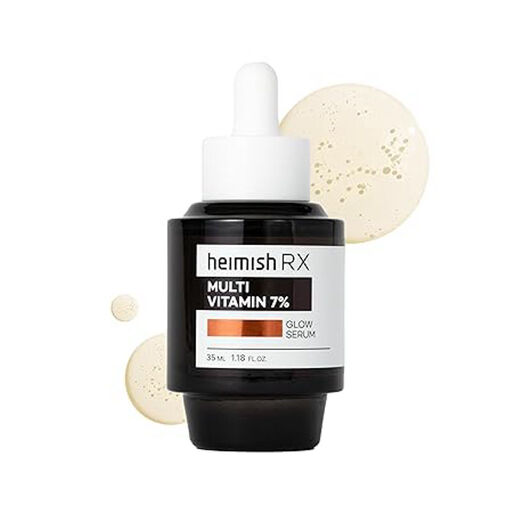
Why this product is a good fit: Ideal for those looking to address the first signs of aging, such as a dull complexion or minor pigmentation irregularities. The combination of a Vitamin C derivative and niacinamide is a great starting point for a brightening skincare routine.
Instead of vague promises, the manufacturer specifies clear concentrations of the main active ingredients (70,000 ppm 3-O-Ethyl Ascorbic Acid and 20,000 ppm Niacinamide).
Combines two proven active ingredients for brightening and improving skin tone in a lightweight, fast-absorbing texture.
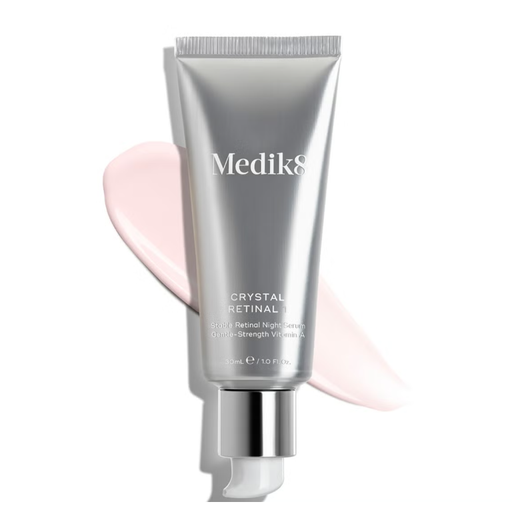
Why this product is a good fit: This serum is aimed at individuals who want to specifically reduce the visibility of fine lines and wrinkles. It uses retinal, a potent form of Vitamin A known for its effectiveness in skin renewal.
The formula uses a stabilised, encapsulated retinal (0.01%) to maximise efficacy and ensure stability. The opaque packaging with a pump dispenser protects the sensitive active ingredient.
Offers a structured entry point into using high-potency Vitamin A, as it is the lowest concentration in the Crystal Retinal range.
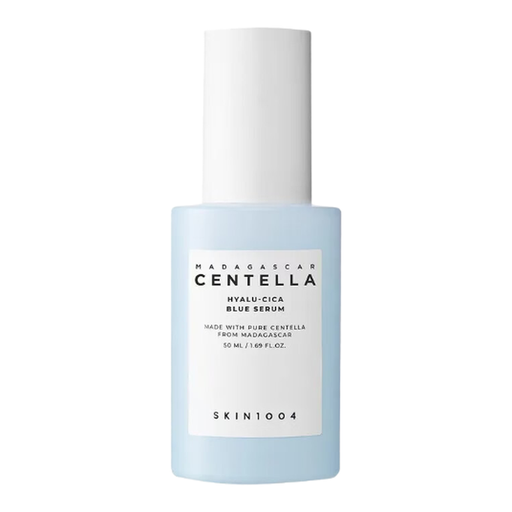
Why this product is a good fit: For skin prone to dryness, redness, or irritation. This serum focuses on intense hydration and strengthening the skin barrier, rather than on potentially irritating, high-concentration anti-aging actives.
The product focuses on proven, soothing, and moisturising ingredients (Centella Asiatica, Hyaluronic Acid, Panthenol) and avoids the hype around aggressive actives that can be unsuitable for sensitive skin.
The Hyalu-Cica formula combines hyaluronic acid for hydration with Centella Asiatica to soothe and strengthen the skin barrier.
We have compiled a complete, up-to-date list of products that fully meet these strict selection criteria and all applicable safety regulations.
A serum should always be applied to dry or slightly damp skin after cleansing and any toner. Due to its lightweight texture and high concentration of active ingredients, it should be used before richer creams (day or night moisturiser) to allow the actives to penetrate the skin optimally.
Yes, combining them is often beneficial. A common method is to use a Vitamin C Serum in the morning for protection against environmental factors and a Retinol Serum in the evening for regeneration. A Hyaluronic Acid Serum can almost always be combined with other serums to provide the skin with additional moisture. Apply the serums one after the other, allowing each to absorb briefly.
There is no fixed age. Skin aging is influenced by genetic factors and lifestyle (e.g., sun exposure). Many people start with preventive measures in their late 20s or early 30s, such as with hydrating and antioxidant serums (Hyaluronic Acid, Vitamin C). More targeted anti-wrinkle serums with ingredients like retinol are often integrated into the routine from the mid-30s or at the first visible signs of lines and wrinkles.