
当日/次日达

品质保障

开启新人专享福利: 全场免邮 | 低至 2 折 | 免费试用 30 天 JoyPlus 会员
下载 Joybuy
Choosing an apple juice might seem simple, but the variety on the shelf can quickly become overwhelming. Between juice that's not from concentrate, from concentrate, cloudy, and clear, there are significant differences in quality that aren't always obvious at first glance. Many consumers reach for products that, through clever marketing, appear to be of higher quality than they actually are. This guide reveals the three most common traps and explains which core features you should look for to make an informed decision.
Before you order apple juice online or pick one up in-store, you should be aware of these typical marketing traps to avoid disappointment.
To find the right apple juice for your needs, focus on these three objective parameters.
This is the most important distinguishing feature.
The appearance reveals a lot about the contents.
Not all apples are the same.
Here are some recommendations tailored to different needs and flavour profiles.
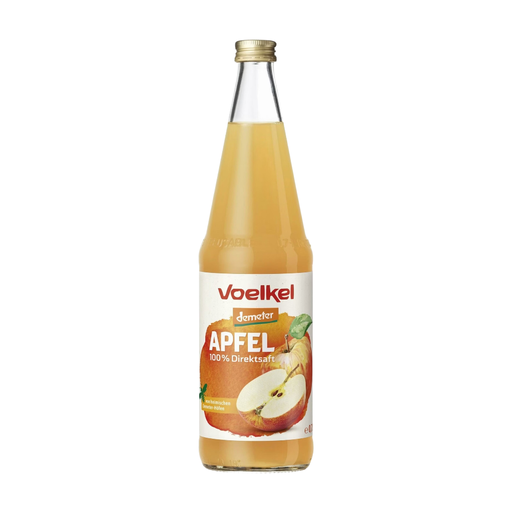
Why This Fits Their Persona: Ideal for those who prioritise the highest purity and sustainable sourcing. The juice comes from biodynamic agriculture (Demeter standard) and is gently processed as a not-from-concentrate juice.
This product is a true organic apple juice and not-from-concentrate juice. It completely bypasses the concentrate trap and offers transparent quality certified by the Demeter seal.
100% not-from-concentrate juice from biodynamic farming. No additives, just pure apple juice.
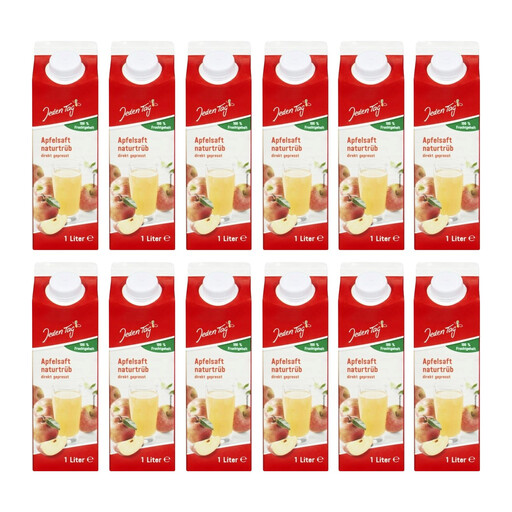
Why This Fits Their Persona: Perfect for families and households looking for a solid, great-tasting apple juice for daily use, with a focus on value for money. The bulk apple juice pack is ideal.
The declaration as a cloudy apple juice is clear and honest. At 100% fruit content (from concentrate), it offers a transparent, budget-friendly alternative without hidden additives.
Bulk pack with 12 litres. Excellent value for money for everyday consumption.
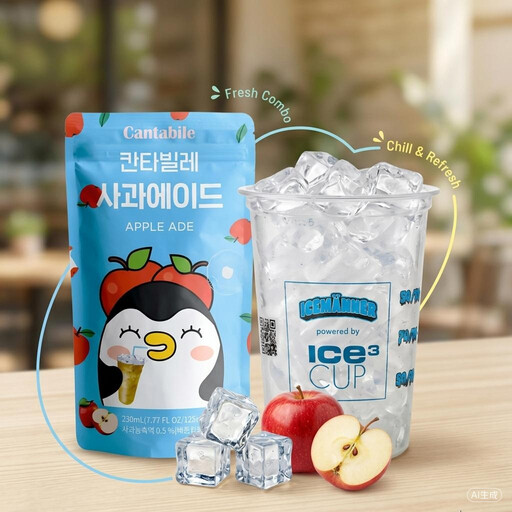
Why This Fits Their Persona: For anyone seeking a modern and international alternative. This Korean apple drink offers a sweet, refreshing taste experience that stands out from classic juice.
The product is clearly marketed as an "Ade" (a refreshment) and not as pure juice. The ingredient list is transparent, so it doesn't create false expectations of being a pure, natural product.
Authentic Korean product. Convenient pouch packaging with an ice cup for instant enjoyment on the go.
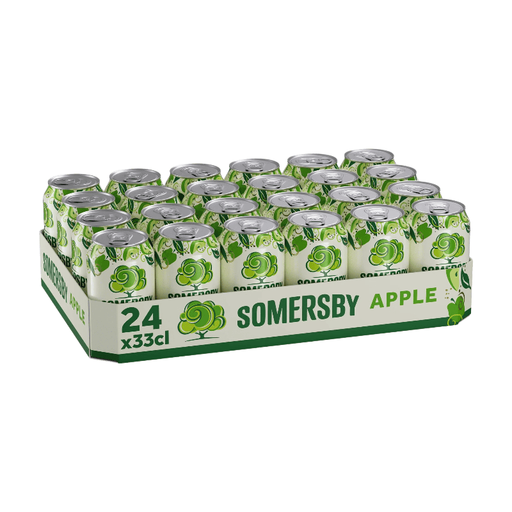
Why This Fits Their Persona: For a relaxed evening or social gatherings. This apple cider is a fermented fruit beverage and a popular alcoholic alternative to beer or wine.
The product is clearly labelled as "Apple Cider" and a "fermented fruit beverage" with 4.5% ABV. There is no risk of confusing it with non-alcoholic apple juice.
Refreshing and crisp. Convenient can packaging in a bulk pack for parties or stocking up at home.
We've compiled a complete, up-to-date list of products that meet these strict selection criteria and quality standards.
According to European regulations (which are similar to many international standards), apple juice must have 100% fruit content. Apple nectar, however, only needs a minimum fruit content of 50%. Water and sugar or honey can be added to nectar, up to 20% of the total weight.
Once opened, apple juice should always be stored in the refrigerator. It generally stays fresh for about 3 to 5 days. Watch for any changes in smell, colour, or taste. Juices in cardboard cartons should be consumed particularly quickly after opening.
Cloudy apple juice contains more suspended solids (polyphenols), which are a type of phytonutrient. According to studies, such as those published in the "Journal of the Science of Food and Agriculture," these compounds can have antioxidant properties. Therefore, cloudy juice is often considered to have a higher nutritional value than its clear counterpart, from which these substances are filtered out.