
Lieferung heute & morgen

Qualitätsgarantie

Willkommens-Angebote freischalten: KOSTENLOSE Lieferung | Bis zu 80 % RABATT | Kostenlose 30-Tage-JoyPlus-Testphase
App herunterladen
The selection of art supplies can be overwhelming. Whether for painting, drawing, or craft projects, the right materials are crucial for the success of your creative endeavours. However, tempting packaging and unclear product descriptions often lead to disappointment and unnecessary expenses. This guide will help you identify the key quality features and find the right art and craft supplies for your needs.
Before you invest in new materials, you should be aware of three common problems that often only become apparent after the purchase:
To avoid these pitfalls, focus on three core technical features. These will help you objectively assess the quality and suitability of art supplies.
The composition of the colour is fundamental. There are three main types:
The nib of a pen determines the character of your linework. The most common variants are:
Good tools alone are not enough; they must also suit the project. A comprehensive art set should include not only paints but also useful accessories like erasers, sharpeners, and a selection of brushes. For larger works, a sturdy easel that can be adjusted to different canvas sizes is essential. In the craft supplies category, specialised tools like an electric rotary cutter can significantly simplify working with fabrics or cardboard and deliver more precise results than conventional scissors.
Choosing the right product depends on your individual project. Here are some suggestions tailored to specific user profiles.
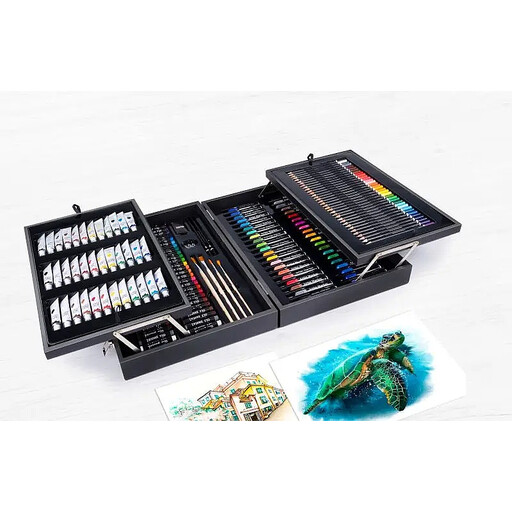
Why This Fits Their Persona: Ideal for creatives who want to try out various techniques without immediately investing in expensive specialised equipment. The wooden case bundles everything needed for the first steps in watercolour, acrylic, and oil painting, as well as drawing.
This set bypasses the trap of incomplete kits by combining a wide range of materials (coloured pencils, oil pastels, various paints, brushes) in a single, organised case.
The variety of 174 pieces allows for experimentation with different media. The sturdy wooden case ensures organisation and portability.
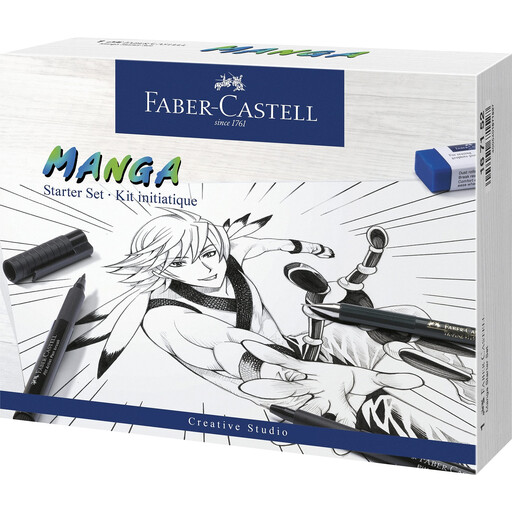
Why This Fits Their Persona: Specifically for artists focusing on the manga style. This set provides precise tools for outlines, shading, and sketching characters, developed by an established brand.
It avoids the pitfall of poor pigment quality by using highly pigmented, waterproof India ink. The selection of nibs (XS, M, Brush) is specifically tailored to the requirements of manga illustrations.
The set includes a manikin as a drawing aid for poses and proportions, as well as a mechanical pencil for preliminary sketches. The ink pens are known for their durability and lightfastness.
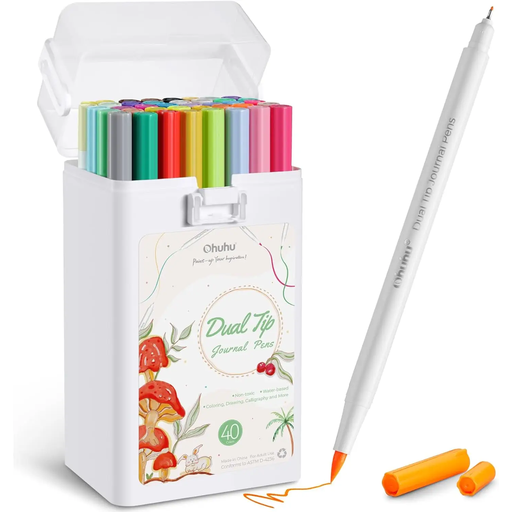
Why This Fits Their Persona: Perfect for users who combine bullet journaling, hand lettering, and illustration. The dual tips offer the necessary versatility for fine notes and sweeping headlines in a single pen.
This set solves the problem of misleading material specifications by clearly combining a fineliner tip (0.4 mm) and a flexible brush tip (1-5 mm) in each pen. The water-based ink is well-suited for most journal papers.
The 40 colours are colour-coded and numbered, which simplifies organisation. The included DIY swatch card helps with precise colour selection.

Why This Fits Their Persona: A specialised tool for anyone who regularly works with fabric, felt, leather, or cardboard. This electric rotary cutter replaces the tedious work of using scissors and delivers clean, straight cuts without effort.
This tool is not a jack-of-all-trades, but a specialised solution. It avoids the trap of unsuitable tools by performing a clear function: effortlessly cutting flexible and multi-layered materials.
The powerful motor with 11,000 RPM and the self-sharpening blade ensure high efficiency. The cordless operation with USB-C charging offers maximum flexibility without a cumbersome cable.
We have compiled a complete, up-to-date list of products that fully meet these strict selection criteria and UK/EU safety regulations.
1. How do I store art supplies correctly to extend their lifespan? Proper storage is crucial. Pens with two tips, especially brush pens and alcohol markers, should always be stored horizontally. This ensures that the ink flows evenly to both tips and prevents one side from drying out. Brushes must be thoroughly cleaned after each use and dried lying flat or hanging. Paper and canvases should be stored in a dry, dark place to prevent yellowing and warping.
2. How can I identify lightfast colours in pens or pastels? Lightfastness indicates how resistant a colour is to fading from light exposure. For professional art supplies, this value is often indicated by standardised scales, such as the ASTM (American Society for Testing and Materials) standard or the Blue Wool Scale. Lower-priced products often omit this information. If lightfastness is important to you, look for corresponding labels on the packaging or in the product description.
3. Do I need special paper for watercolour pens? Yes, for optimal results, special watercolour paper is highly recommended. Standard printer or drawing paper will buckle severely when it comes into contact with water, and its fibres can disintegrate. Watercolour paper has a higher grammage (typically over 200 g/m?) and a special sizing that keeps the water on the surface. This allows you to blend and layer colours without damaging the paper.