
Lieferung heute & morgen

Qualitätsgarantie

Willkommens-Angebote freischalten: KOSTENLOSE Lieferung | Bis zu 80 % RABATT | Kostenlose 30-Tage-JoyPlus-Testphase
App herunterladen
Asian bean snacks are a category of savory treats that stand apart from conventional potato chips due to their core ingredients and distinct flavor profiles. Instead of potatoes, these snacks use various types of beans—such as soybeans, broad beans (fava beans), or green peas—which are processed by roasting or frying. The result is a product with a characteristically dense, crispy texture and a high plant-based protein content. The flavor is often dominated by complex, savory, and umami-rich notes, achieved through ingredients like soy sauce, spices, or seafood extracts.
The right product can be selected based on objective criteria. The following technical parameters will help guide your choice.
The type of bean used is crucial for determining the fundamental texture and nutritional profile.
The production method influences the fat content and the final texture.
The seasoning is the defining characteristic of Chinese snacks of this type. The flavors are often complex and aim for an intense umami experience. Pay attention to the ingredients list to identify the flavor profile:
An analysis of the nutrition facts per 100 g provides an objective basis for comparison. Relevant values include protein content, total fat, and sodium content. Products with higher protein content can have a more satiating effect.
Based on the criteria above, we have compiled a selection of products that represent different flavor profiles and technical characteristics.
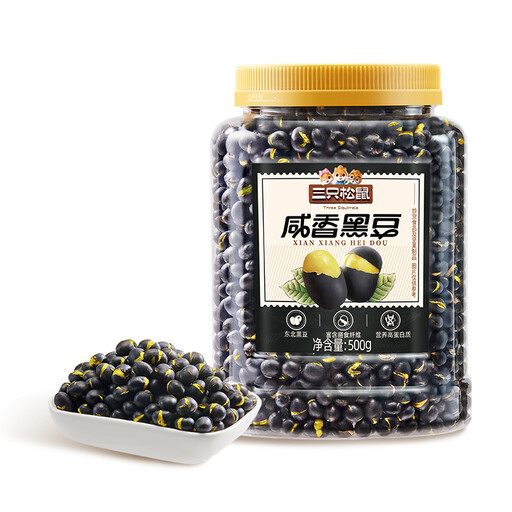
This product is distinguished by its minimalist composition and high protein content. The black soybeans are roasted, giving them a firm, crunchy texture. The seasoning is limited to salt, which allows the bean's natural nutty flavor to take center stage.
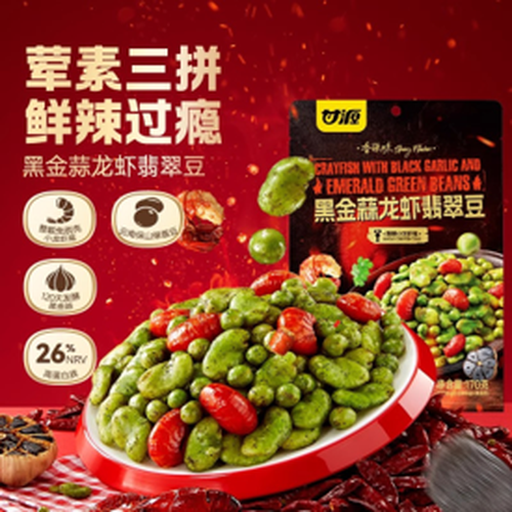
This snack from Ganyuan combines broad beans and green peas with a complex flavor profile. The seasoning of black garlic and lobster flavor creates a deep, sweet-and-savory umami experience. The bean mix provides a varied, crispy texture.
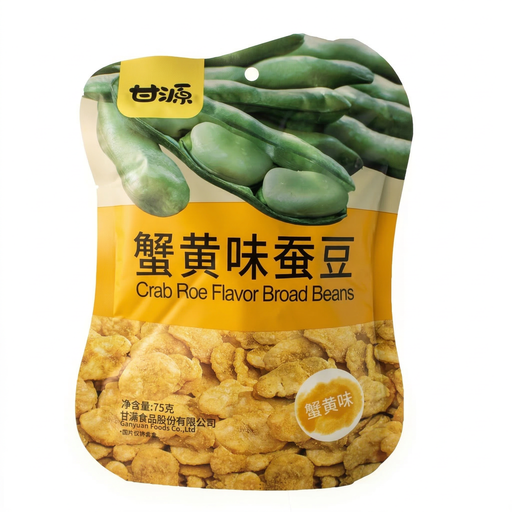
These fava beans from Ganyuan are coated with a crab roe seasoning and an additional layer of glutinous rice flour. This double coating is fried to create an exceptionally crispy texture. The flavor is distinctly seafood-forward, delivering an intense, salty-sweet aroma.
The products featured here offer a glimpse into the diversity of Asian bean snacks. However, the full spectrum includes countless other varieties with different bean types, seasonings, and textures. You can find a broader selection in our Beans and Nuts category.
1. Are Asian bean snacks a healthy alternative to chips? A direct comparison depends on the specific product. Bean snacks are based on legumes rather than potatoes and often have a higher natural protein content. For example, the "Three Squirrels Black Beans" contain 38 g of protein per 100 g. The preparation method is also crucial: roasted beans tend to contain less fat than fried varieties. It is advisable to check the nutritional information of each product to make an informed decision.
2. What does umami mean in snacks? Umami is the fifth basic taste, alongside sweet, sour, salty, and bitter. It is often described as "savory," "meaty," or "brothy." In Asian snacks, this flavor is frequently created using ingredients like soy sauce, yeast extract, fermented bean pastes, mushrooms, or seafood extracts (e.g., crab or shrimp extract).
3. Where can you buy Chinese snacks like roasted beans? Specialty Asian supermarkets often carry a selection. A broader and more curated product range, including specific brands like Ganyuan or Three Squirrels, is typically available at specialized online stores. These platforms provide direct access to a wide variety of imported products and their detailed product information.