
Lieferung heute & morgen

Qualitätsgarantie

Willkommens-Angebote freischalten: KOSTENLOSE Lieferung | Bis zu 80 % RABATT | Kostenlose 30-Tage-JoyPlus-Testphase
App herunterladen
As a Joybuy Product Recommendation Officer, my role is to provide you with a clear and objective overview of products. If you're searching for authentic Asian snacks, whether for nostalgic reasons or to explore new flavours, the sheer variety can be overwhelming. This guide is designed to help you understand the different types of Asian rice crackers and make an informed purchasing decision.
We will focus on objective characteristics like flavour profile, texture, and ingredients to help you navigate the selection.
Choosing the right rice snack largely depends on personal preference. Here are some objective criteria to help you decide when you want to buy Chinese snacks.
Asian rice crackers cover a wide spectrum of flavours. A fundamental distinction can be made between sweet and savoury varieties.
Texture is a crucial characteristic of rice crackers, ranging from light and airy to firm and crunchy.
It's always wise to check the ingredient list. The base is typically rice, but depending on the variety, other ingredients like wheat flour, cornstarch, palm oil, and various spices may be added. Pay close attention to allergen information. Many Asian rice snacks contain gluten (from wheat or soy sauce) or soy. This information is clearly stated on the packaging.
Here, we present three different products that represent distinct flavour profiles and textures.
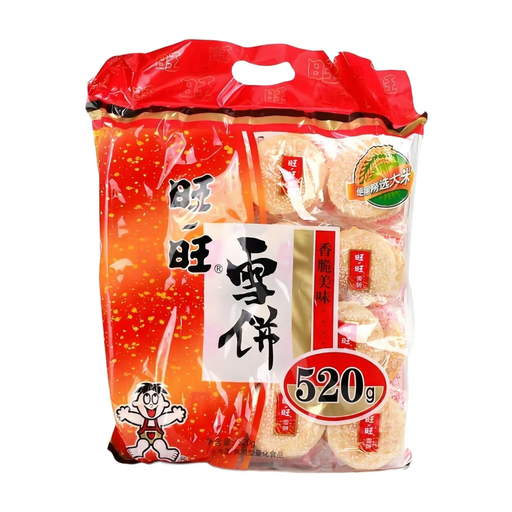
Why it stands out: The Want Want Snow Rice Cake is a classic and a nostalgic snack for many. Its signature texture is based on puffed rice coated with a sweet, powdered glaze that resembles snow.
View Product: WANT WANT Snow Rice Cake
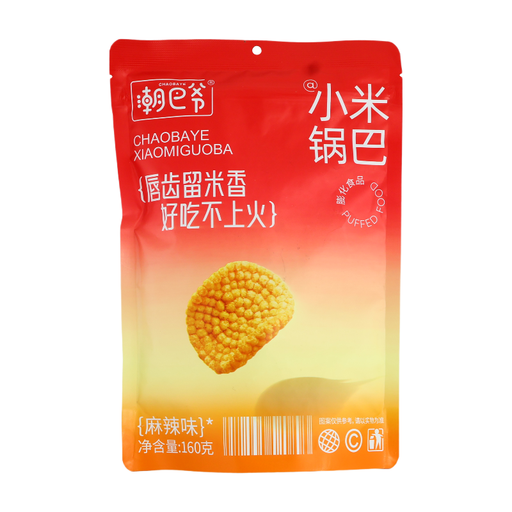
Why it stands out: These rice crackers offer a bold, spicy flavour experience. The combination of millet and rice flour creates an airy yet crunchy texture, generously seasoned with paprika and other spices.
View Product: Chao Ba Ye Millet Rice Crackers
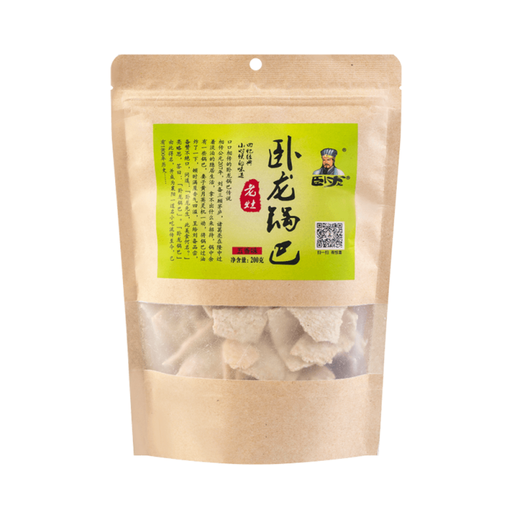
Why it stands out: This Guoba snack pays homage to the traditional Chinese rice crust. Made from rice processed into a firm, golden-brown disc, it offers a deeply satisfying crunch. The seasoning with five-spice powder gives it a warm, aromatic, and slightly sweet flavour profile.
View Product: Wo Long Five-Spice Rice Crust
This selection represents just a small fraction of the variety available. If you'd like to discover more flavours or types of rice crackers, you can find a wider selection in our broader category.
Discover More Chinese Rice Cakes Here
1. What is the difference between Japanese and Chinese rice crackers? While both are made from rice, there are often differences in flavour and texture. Japanese rice crackers (Senbei and Arare) are frequently glazed with soy sauce and grilled over charcoal, giving them a distinct umami flavour. Chinese rice crackers, like the ones featured here, offer a broader variety, ranging from sweet and light snow rice cakes to thick, fried Guoba with bold spice blends.
2. Are Asian rice crackers gluten-free? Not necessarily. Many Asian rice crackers contain wheat flour as an ingredient or use soy sauce (which is traditionally brewed with wheat) for seasoning. The WANT WANT Snow Rice Cake and Chao Ba Ye Millet Rice Crackers featured here contain wheat according to their ingredient lists and are therefore not gluten-free. The Wo Long Rice Crust may contain traces of gluten. It is essential to check the allergen information on the individual product packaging.
3. What is the best way to store rice crackers? Rice crackers are hygroscopic, meaning they absorb moisture from the air and can quickly lose their crispness. Store them in a cool, dry place, away from direct sunlight. After opening, the package should be sealed tightly, ideally with a clip, or the contents transferred to an airtight container.