
Lieferung heute & morgen

Qualitätsgarantie

Willkommens-Angebote freischalten: KOSTENLOSE Lieferung | Bis zu 80 % RABATT | Kostenlose 30-Tage-JoyPlus-Testphase
App herunterladen
The search for authentic Japanese cake in the UK and Europe can often prove challenging. Many fans of Japanese culture and foodies who appreciate the unique taste of sweets from Japan struggle to find products that live up to their promise. It's often difficult to distinguish between marketing claims and genuine quality.
As your Joybuy Product Recommendation Officer, my mission is to provide you with clear and objective guidance. This post introduces a curated selection of Japanese cake specialities and offers practical tips to help you make an informed decision when you want to buy Japanese sweets.
To find the perfect cake for your palate, a few basic criteria can help. Here are three key points to consider during your selection.
Japanese baked goods are renowned for their distinctive consistency. A soft Japanese cake is often characterised by a light, moist, and delicate structure that sets it apart from many European pastries.
The ingredients list reveals a product's authenticity and quality. Look for typical components like high-quality wheat flour, eggs, and specific flavourings such as milk powder or cheese powder. For those with intolerances, clear allergen labelling according to EU standards is essential.
Also, consider the occasion for the cake. Individually wrapped portions are convenient for on-the-go or as a quick snack. Larger cakes are better suited for sharing with family and friends over a cup of tea.
The range of Asian snacks online has grown in recent years. Look for retailers that provide detailed product descriptions, nutritional information, and importer details. This creates transparency and simplifies the purchasing decision. A wide selection of different cake varieties indicates a specialised retailer.
Based on the criteria above, we have curated a selection of Tokimeki cakes that represent various facets of the Japanese art of baking.
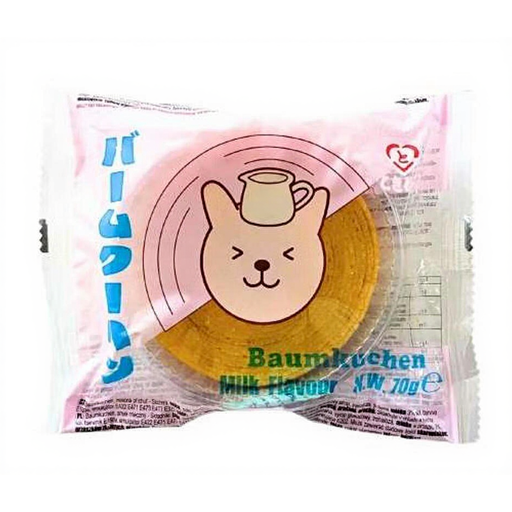
Why It Stands Out This Japanese Baumkuchen is a classic, known for its signature layered structure. Each layer is baked individually, resulting in a soft yet firm texture. The mild milk flavour gives it a pleasant, subtle sweetness.
Pros
Who It's For Anyone looking for a light yet satisfying snack for a tea break or at the office. It's also a great choice for beginners looking to explore the world of Japanese cake.
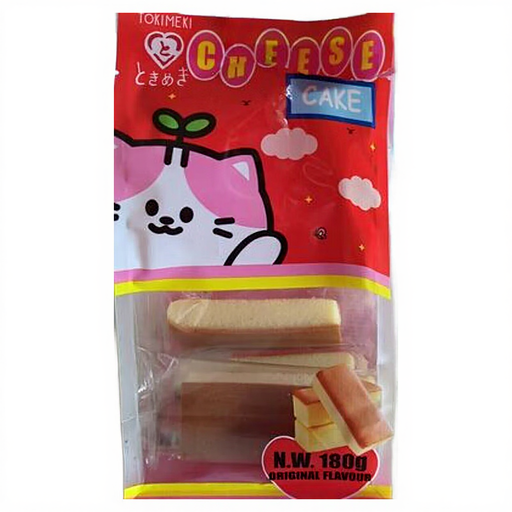
Why It Stands Out This Japanese cheesecake comes in convenient, individually wrapped slices. It features a very mild and authentic cheese flavour, unlike the intense sweetness of many Western cheesecakes. The texture is exceptionally soft and fluffy.
Pros
Who It's For Ideal for fans of creamy but not overly heavy desserts. The practical slices make it a perfect companion for travel, lunchboxes, or sharing with friends.
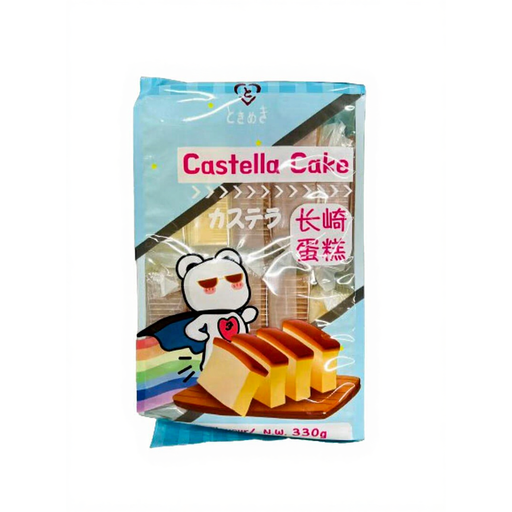
Why It Stands Out The Castella cake is a traditional Japanese sponge cake prized for its incredibly soft, fluffy, and moist texture. This version from Tokimeki offers a gentle, sweet milk flavour that highlights the cake's simple yet refined character.
Pros
Who It's For For fans of traditional Japanese pastries and anyone who appreciates a simple yet elegant cake for afternoon tea or as a light dessert.
The world of Japanese baked goods is diverse and offers much more than the products featured here. If your curiosity is piqued and you want to discover more specialities, you can find additional options in our broader category.
Discover More Cakes & Biscuits
Japanese cake often differs from European varieties in its texture and taste. It is typically lighter, fluffier, and less sweet. The focus is on a delicate, balanced flavour profile and an exceptionally soft, moist consistency, as found in varieties like the Castella cake or Japanese cheesecake.
The best place to buy authentic Japanese sweets is at specialty Asian markets or from trusted online retailers that import products directly. Look for transparent product information, including ingredients, nutritional facts, and country of origin, to ensure you are getting an authentic product.
Castella cake is a popular Japanese sponge cake, originally introduced to Japan by Portuguese merchants in the 16th century. It is made from simple ingredients like flour, eggs, sugar, and starch syrup. Its special characteristic is its very fine, springy, and moist crumb, which is achieved without using butter or oil.