
Lieferung heute & morgen

Qualitätsgarantie

Willkommens-Angebote freischalten: KOSTENLOSE Lieferung | Bis zu 80 % RABATT | Kostenlose 30-Tage-JoyPlus-Testphase
App herunterladen
Introducing solid foods is a major milestone for both parents and their baby. Breakfast, in particular, lays the foundation for an energy-filled day. However, the selection of baby breakfast porridge is vast, and choosing the right product can be a challenge. Many parents are looking for nutritious, convenient, and low-sugar options that meet their child's specific needs.
This article serves as your guide. We'll introduce different types of breakfast porridge, explain key selection criteria, and present a curated selection of products to help make your decision easier.
To make the best choice, it's helpful to consider a few fundamental aspects. The following points will help you compare products more objectively.
A close look at the ingredient list is crucial. Many parents prefer a baby porridge with no added sugar. This label means that no refined sugar, syrup, or other sweeteners have been added to the product. However, it's important to remember that ingredients like fruit or milk naturally contain sugar. Look for a short, easy-to-understand ingredient list. Furthermore, products labelled as organic baby porridge adhere to the strict guidelines of the EU organic regulation, which is a significant quality indicator for many parents.
Manufacturers provide an age recommendation on their products, such as breakfast porridge for babies 10 months and up. This recommendation is based on the developmental stage of infants and toddlers. Porridges for younger babies are typically very finely pureed. For older babies, they often contain small, soft pieces, similar to a baby muesli, to encourage chewing and help the child transition to more solid foods.
Breakfast porridges come in two common forms:
Here is a selection of products that cater to different needs and age groups.
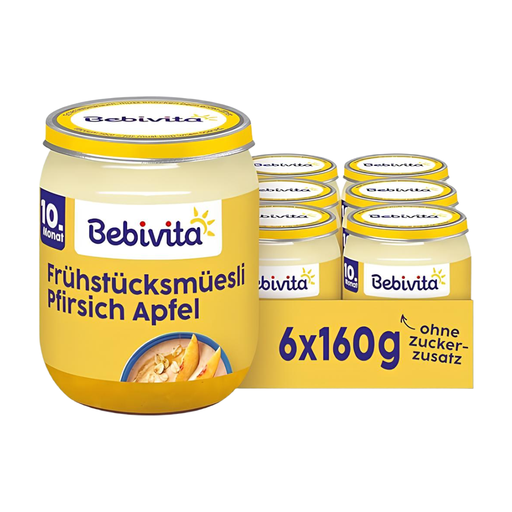
Why It Stands Out This breakfast muesli from Bebivita is designed as a filling meal to start the day. It contains fine fruit pieces, which are important for learning to chew. According to the manufacturer, the recipe has no added sugar and derives its sweetness solely from organic fruits and yoghurt.
Pros
Who It's For This product is suitable for parents of babies from the 10th month onwards who are looking for a quick and easy organic breakfast solution and want to introduce their child to a lumpier texture.
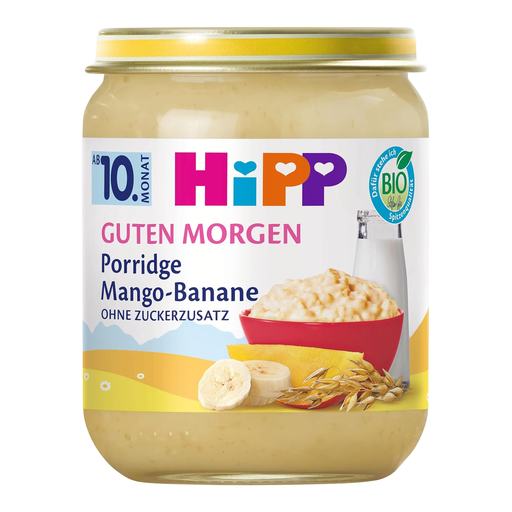
Why It Stands Out The HiPP Breakfast Porridge combines organic milk with oats and fruit. A key feature is its versatility: it can be served either cold or warm. According to the manufacturer, it is made with no added sugar and no sweetening fruit juice concentrates. The included Vitamin B1 is important for carbohydrate and energy metabolism, as well as for the nervous system.
Pros
Who It's For Ideal for parents of toddlers from the 10th month onwards who are looking for a nutritious cereal porridge that can be served at different temperatures depending on the child's preference or the season.
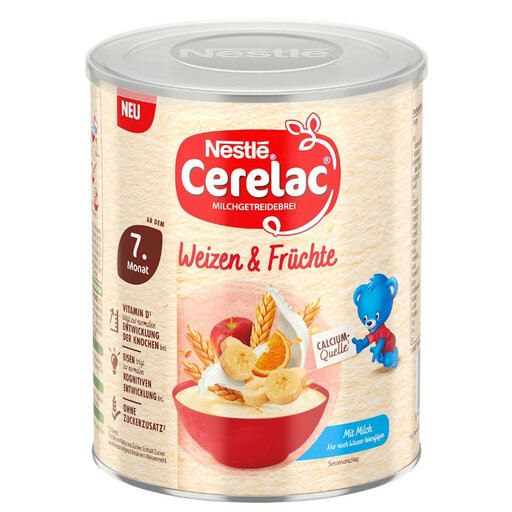
Why It Stands Out This milk porridge powder from Nestlé is suitable for babies from just 7 months old, making it a great option for starting breakfast solids. As a powder, it can be flexibly mixed with water, allowing the portion size to be easily adjusted to the baby's appetite. According to the manufacturer, the porridge is fortified with 12 vitamins and minerals.
Pros
Who It's For This product is aimed at parents who want to start with a cereal-milk porridge from the 7th month and prefer to have control over the prepared quantity and consistency.
Every child's needs are unique. If the products featured here don't exactly match what you're looking for, or if you're searching for other flavours and varieties, you might find the perfect alternative in our wider selection.
Discover Our Entire Range of Baby Food
Suitability depends on the specific product. Some porridges are designed for starting solids after the 6th month, while others are aimed at older babies from the 10th or 12th month who are already used to lumpier food. Always follow the manufacturer's age recommendation on the packaging.
The "no added sugar" claim means that no monosaccharides or disaccharides (like table sugar) or other sweetening ingredients (like syrup or honey) have been added to the product. However, the porridge still contains the sugar that occurs naturally in its ingredients, such as fructose from fruit or lactose from dairy products.
That depends on the product. Ready-to-eat jarred porridges can usually be consumed directly at room temperature. Some, like the featured HiPP Breakfast Porridge, are explicitly designed to be enjoyed both cold and warm. For powdered porridges, preparation with warmed liquid is typically recommended. A look at the manufacturer's preparation instructions will provide precise information.