
Lieferung heute & morgen

Qualitätsgarantie

Willkommens-Angebote freischalten: KOSTENLOSE Lieferung | Bis zu 80 % RABATT | Kostenlose 30-Tage-JoyPlus-Testphase
App herunterladen
A baby carrier promises closeness, security, and, most importantly, free hands in your daily life. But the market is overwhelming and filled with marketing promises that often don't hold up in practice. Many parents invest in a model that becomes uncomfortable after just a few months, doesn't fit their child, or causes back pain for the wearer. As your Joybuy Product Recommendation Officer, I'm here to help you recognise the common pitfalls and make an informed decision.
Before we dive into the key features, let's look at the three most common reasons for a purchase going wrong. Knowing these will protect you from disappointment and unnecessary expense.
To make the right choice, focus on three objective core parameters. These will determine the safety, comfort, and longevity of your baby carrier.
The most important feature of a good baby carrier is its ability to support the spread-squat position. This means the baby's knees are slightly higher than their bottom and their legs are gently spread, creating a shape that resembles an "M". This position is crucial for the healthy development of the hip joints.
Ensure the carrier's seat extends from one knee to the other and that the baby's back is slightly rounded (a C-shape). Products recognised as "hip-healthy" by the International Hip Dysplasia Institute (IHDI) typically meet this criterion. This is especially important for a baby carrier for newborns.
A good baby carrier should distribute the child's weight evenly across your hips and shoulders, not just your back. Look for these features:
The material influences both comfort and how you can use the carrier.
Look for certifications like OEKO-TEX Standard 100, which guarantees that textiles are tested for harmful substances and are skin-friendly.
Instead of making a blanket recommendation, we've selected models that meet specific parental needs and purposefully avoid the pitfalls mentioned.
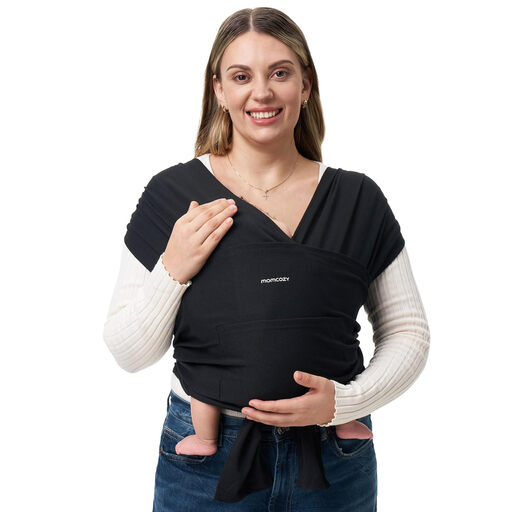
Why This Fits Their Persona: Ideal for parents who want the closeness and flexibility of a wrap in the first few months but prefer to skip complicated tying techniques. It's straightforward to use and quick to learn.
This carrier is specifically designed for the needs of newborns. The elastic fabric provides a snug, secure fit that many rigid "all-in-one" carriers can't offer at this stage.
OEKO-TEX 100 certified, breathable material. Easy adjustment via a double-ring system with no knots. Very lightweight baby carrier that packs down small.
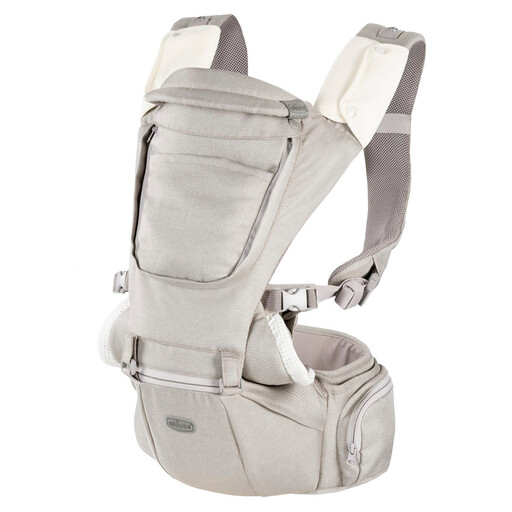
Why This Fits Their Persona: Perfect for parents looking for a long-term, flexible solution. The 3-in-1 system adapts as your child grows and is ideal for toddlers who frequently want to be picked up and put back down.
This model bypasses the "one-size-fits-all" trap with its modular design. It can be used as a soft carrier, a full structured carrier, or a pure hip seat carrier, providing the right support for every stage of development.
Recognised by the IHDI as a hip-healthy product. Offers 8 different carrying positions and significantly relieves strain on the parent's back thanks to its rigid base.
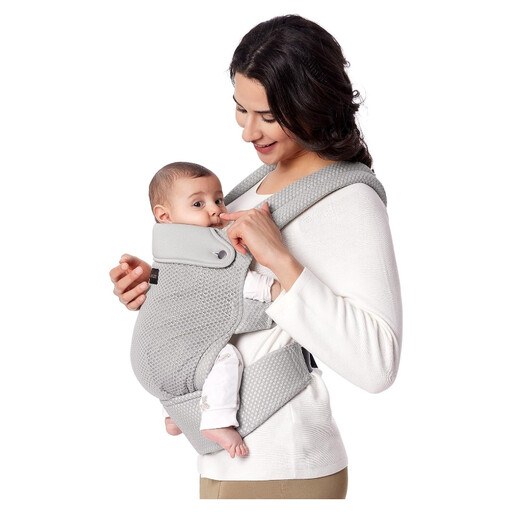
Why This Fits Their Persona: For parents who are always on the go, enjoy hiking, or live in a warmer climate. This carrier is designed to maintain a comfortable temperature even during activity and on warm days.
It specifically solves the problem of heat buildup by using large panels of mesh fabric. Unlike thick cotton carriers, it remains comfortable even as temperatures rise.
Maximum air circulation thanks to air-mesh fabric. Integrated lumbar support and an X-shaped back design for optimal weight distribution and relief.
We have compiled a complete, up-to-date list of products that fully meet these strict selection criteria and relevant safety standards.
Most manufacturers specify a minimum weight, often around 3.2 kg (7 lbs) or 3.5 kg (8 lbs). For the first few weeks, a newborn baby carrier or a stretchy baby wrap is often best, as they offer a very snug and supportive fit. Always check the manufacturer's specific weight and age recommendations before using a carrier.
Look for the spread-squat position (M-position): the baby's knees should be higher than their bottom. Their back should have a natural, slight curve (C-shape). Their face must always be clear and visible, and their airways must not be blocked. A good rule of thumb is "kissable height": you should be able to kiss the top of your baby's head easily without bending forward significantly.
Yes, breastfeeding is possible in many baby carriers and can be very convenient. Wraps and some soft-structured carriers are particularly easy to adjust. You'll usually need to loosen the straps slightly to lower the baby to breast level. Always ensure the child's airways remain clear and that they are well-supported.