
Lieferung heute & morgen

Qualitätsgarantie

Willkommens-Angebote freischalten: KOSTENLOSE Lieferung | Bis zu 80 % RABATT | Kostenlose 30-Tage-JoyPlus-Testphase
App herunterladen
A baby carrier can make daily life with an infant or toddler significantly easier. It allows you to give your child the closeness they crave while keeping your hands free for other tasks. However, with the vast array of models on the market, making a choice can be complex. This guide is designed to help you understand the essential features of baby carriers and make an informed decision that suits the unique needs of you and your child.
The right carrier for you depends on several factors. Three key aspects should be considered when making your decision: ergonomics, material, and the intended use case.
Ergonomics are a crucial criterion for your child's healthy development. An ergonomic baby carrier supports the "spread-squat position," also known as the "M-position." In this position, the baby's knees are slightly higher than their bottom, with their legs spread apart. This posture promotes healthy hip development and takes pressure off their still-developing spine. The baby's back should be gently rounded in the carrier (a C-shape), which mirrors their natural posture.
The carrier's material affects comfort for both the wearer and the child. Cotton is a popular all-rounder, as it is soft and relatively breathable. For warmer months or for people who tend to sweat, a breathable baby carrier made of mesh fabric is an excellent option. This type of summer baby carrier ensures better air circulation and prevents overheating.
Consider the situations in which you'll primarily use the carrier. For daily use as a front carrier for your baby, a robust, adjustable model is ideal. For travel, a particularly lightweight baby carrier that packs down small is advantageous. There are even specialty models like a baby carrier for the shower, which is made of quick-drying material and makes showering together safer.
Here, we present a few models that stand out with specific features for different needs.
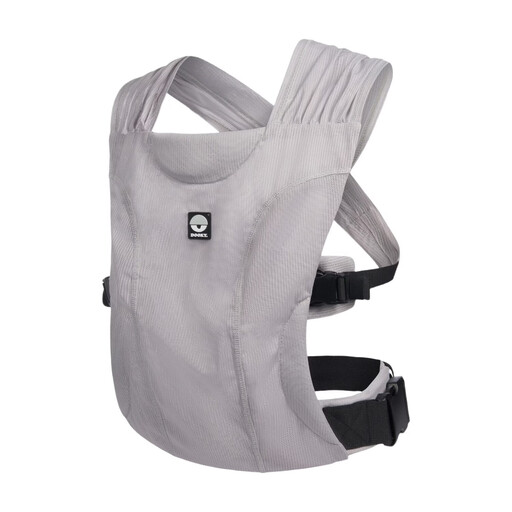
Why it stands out: This model is specifically designed for use in water, offering a solution for showering safely or for time in a shallow pool with your baby.
Pros:
Who it's for: Parents looking for a safe way to shower with their baby or enjoy their first experiences at the pool without needing to use their hands to support the child.
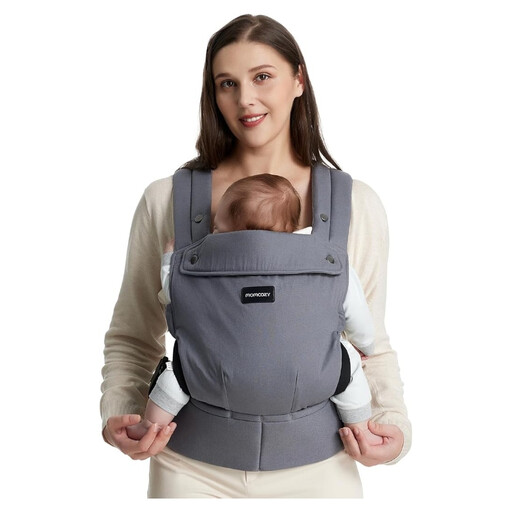
Why it stands out: This carrier focuses on the wearer's comfort with a three-point support system, including an EVA panel to relieve lumbar pressure.
Pros:
Who it's for: Parents looking for a versatile and comfortable front carrier for your baby for daily use that grows with them from birth to toddlerhood and protects the wearer's back.
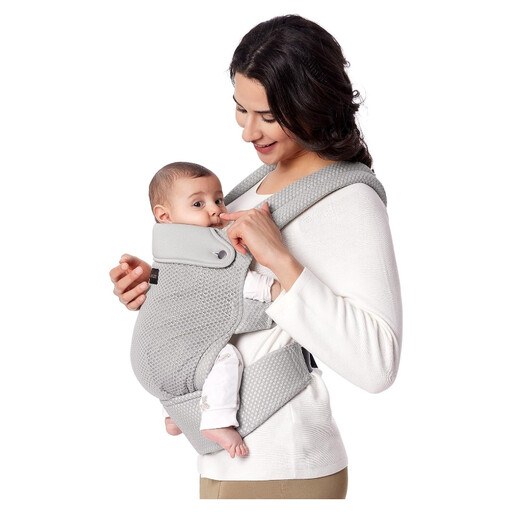
Why it stands out: Its design, featuring a large air-mesh panel and cooling fabric in the neck area, is specifically tailored for use in warm weather.
Pros:
Who it's for: Parents who live in warmer climates or need a dedicated summer baby carrier to prevent overheating.
If none of these models are the perfect fit for you, or if you're looking for a different colour or style, there are many other alternatives to explore. A wider range offers more choices to help you find the carrier that perfectly matches your needs.
Discover our entire selection of Grey Baby Carriers.
The suitability of a baby carrier for newborns depends on the specific model. Some carriers come with special newborn inserts or can be adjusted to be used from a minimum weight of about 3.2 kg. It's crucial that the newborn's head and neck are adequately supported and that the baby doesn't slump down inside the carrier. Always check the manufacturer's specifications for minimum weight and height.
An ergonomic baby carrier is designed to support the baby's natural posture. This includes two main features:
Various consumer magazines and organisations regularly conduct product comparisons, often referred to as a "baby carrier test." However, there is no single, official testing body that crowns a universal "test winner." The results of such comparisons can offer useful guidance. It is more important to look for verifiable safety certificates (e.g., GS Mark, SGS tests) and compliance with European standards like EN 13209-2, and to choose a carrier based on the individual needs of the child and the wearer.