
Lieferung heute & morgen

Qualitätsgarantie

Willkommens-Angebote freischalten: KOSTENLOSE Lieferung | Bis zu 80 % RABATT | Kostenlose 30-Tage-JoyPlus-Testphase
App herunterladen
A baby's journey to independent crawling is a fundamental milestone in their motor development. A suitable crawling aid is not a training device, but a supportive product designed to make the environment safer or stimulate the child's natural curiosity. Selection should be based on key criteria like material quality, safety features, and your child's specific developmental stage.
Your choice of a supportive product should be based on your baby's individual needs and your home environment. The following key aspects are relevant:
The materials used are a primary consideration. For textiles like crawling tights, a high cotton content is beneficial, as it ensures good skin-friendliness and breathability. A small amount of elastane provides the necessary flexibility and fit. For toys and mats, prioritise materials tested for harmful substances, such as PU foam and textiles compliant with current EU standards. Anti-slip elements, often made of silicone or rubber (ABS dots), are a crucial safety feature on smooth floors like parquet, laminate, or tiles.
Crawling aids can be divided into three categories:
The products are usually designed for a specific age range. For babies who are just starting their first crawling attempts (approx. 6-9 months), safety and comfort are crucial. For slightly older babies (from 9 months) who are already more mobile, motivational toys can promote coordination and endurance.
The following selection features products with different functional approaches to support your baby's crawling journey.
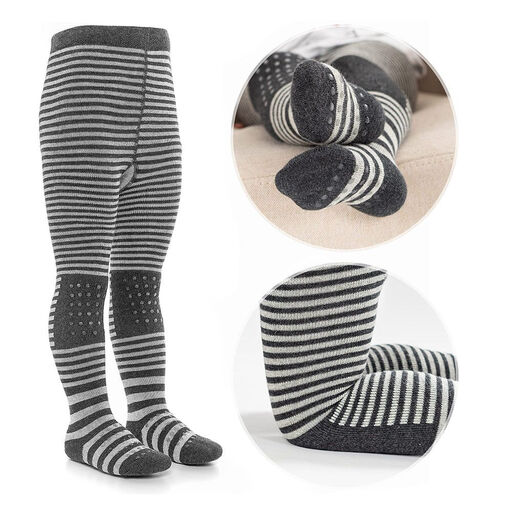
Why we recommend this product: These tights address a core problem when learning to crawl on smooth surfaces: lack of grip. The targeted placement of ABS dots on the knees and soles of the feet reduces the risk of slipping and gives the child more stability during their attempts to move.
Benefits:
Who it's for: For parents whose babies are starting to crawl on smooth floors like laminate, parquet, or tiles. It's a direct, straightforward measure to increase safety and support their first crawling attempts.
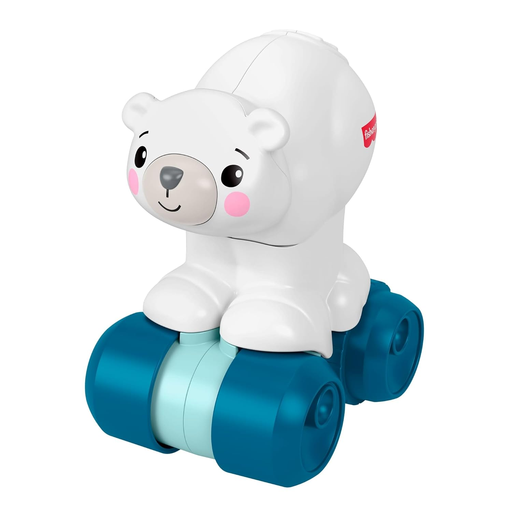
Why we recommend this product: This crawling toy leverages a child's natural curiosity. With a simple push, the bear moves forward, creating a visual and auditory incentive for the baby to follow. This actively encourages forward movement.
Benefits:
Who it's for: For babies who are already showing signs of mobility but need an external incentive to start crawling purposefully. It serves as a playful tool to encourage a baby to crawl.
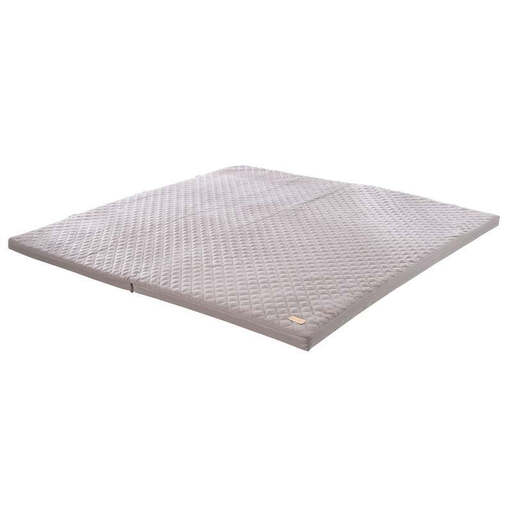
Why we recommend this product: This product stands out for its multifunctionality. It not only creates a safe and soft environment for crawling but can also be used as a mattress for standard travel cots (60 x 120 cm). This offers significant practical value beyond the crawling phase.
Benefits:
Who it's for: For families looking for a flexible solution to create a dedicated play and crawling area that can also function as a guest mattress or travel cot mattress.
The products featured cover specific use cases. If you are looking for more specialised items or a broader selection of products to support motor development, you can find additional options tailored to different needs in our Baby Crawling category.
A crawling aid is useful when a baby starts to show a motor interest in moving around. This typically happens between the 6th and 10th month. Products like crawling mats can be used even earlier as a safe play surface. Motivational toys or non-slip tights become relevant when the child actively tries to push up and move forward.
The motivation to crawl is intrinsic. However, you can support it with external incentives. Place interesting toys just out of your baby's reach. A moving crawling toy can also create a strong incentive. A safe and inviting environment is important, for example, on a soft crawling mat that offers freedom of movement without the risk of slipping.
With crawling tights, three aspects are key: the anti-slip coating on the knees and feet for necessary grip, a high cotton content for skin-friendliness, and a wide, elastic waistband that doesn't dig in. The durability of the material in the knee area is also a factor, as this area is subject to heavy wear.