
Lieferung heute & morgen

Qualitätsgarantie

Willkommens-Angebote freischalten: KOSTENLOSE Lieferung | Bis zu 80 % RABATT | Kostenlose 30-Tage-JoyPlus-Testphase
App herunterladen
Choosing the right baby cream can be a challenge for parents. The market offers a plethora of products, all promising gentle and protective care. However, not every cream is suitable for every skin type or application. Misleading promises and unclear labels often lead to poor purchasing decisions that can unnecessarily stress a baby's sensitive skin. This guide will help you understand the essential criteria and make an informed decision.
Before you make a decision, it's important to recognise common marketing traps that often promise more than they deliver.
To make the right choice, you should focus on objective and verifiable criteria. The following three parameters are crucial.
The most fundamental distinction is between creams for daily use and those for specific problems.
A look at the list of ingredients (INCI) is essential. Look for proven and well-tolerated components.
The texture of the product is crucial for its intended use.
Based on the criteria mentioned, we have put together a selection of products for different requirement profiles.
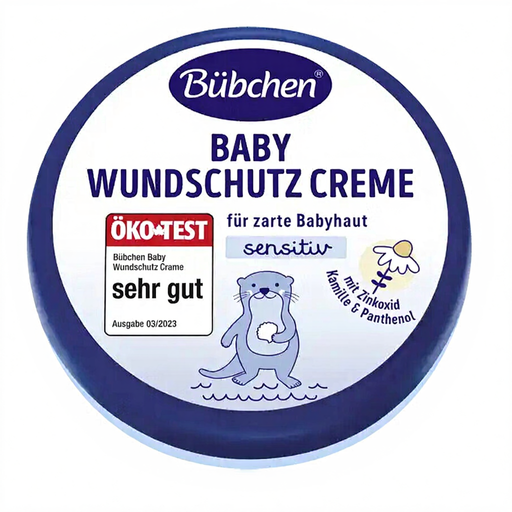
Why This Fits Their Persona: Ideal for parents looking for a reliable, preventative solution for the sensitive nappy area. The formula is designed to protect against wetness and soothe redness.
This product is a specialised barrier cream, not an all-purpose one. It avoids the pitfall of being used for the wrong purpose. The formula, free from silicones and dyes, also addresses the issue of unnecessary additives.
The combination of zinc oxide, chamomile, and panthenol forms a breathable protective film that repels moisture and supports the skin barrier. According to the manufacturer, the product is recommended by midwives and doctors.
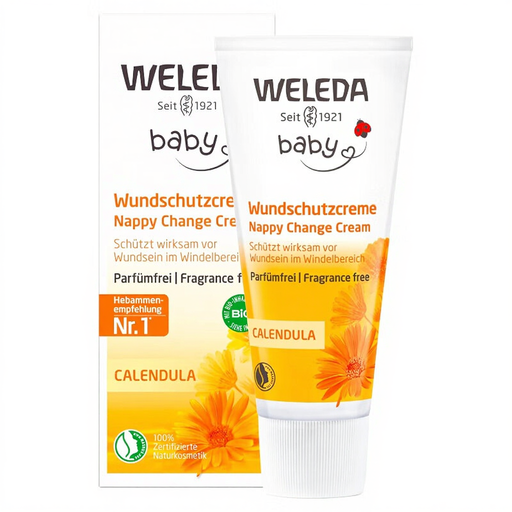
Why This Fits Their Persona: Suitable for parents who value ingredients from organic farming and prefer a fragrance-free formula for particularly sensitive or allergy-prone skin.
The cream is explicitly declared "fragrance-free," thus avoiding the trap of unnecessary scents. Instead of vague "natural" marketing, it relies on clearly named ingredients like organic calendula and almond oil.
The formula with skin-related lanolin and zinc oxide provides reliable protection against wetness. Its dermatologically confirmed skin compatibility also makes it suitable for highly sensitive skin.
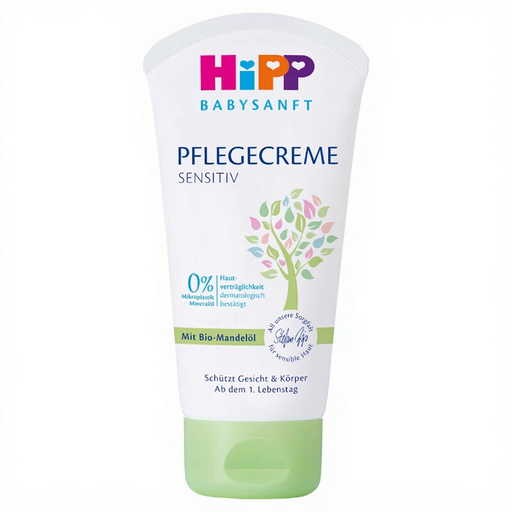
Why This Fits Their Persona: An excellent choice for a daily baby moisturising cream, especially for skin prone to dryness or eczema. It is designed for both face and body.
The formula consistently avoids mineral oil, parabens, and microplastics. Its biodegradable formula and recyclable packaging point to a well-thought-out product concept that goes beyond marketing buzzwords.
The cream absorbs quickly without leaving a greasy film. The combination of organic almond oil and skin-soothing panthenol provides intensive care and supports the skin's natural regeneration.
We've compiled a complete, up-to-date list of products that fully meet these strict selection criteria and rigorous safety standards.
A barrier cream should ideally be applied in a thin layer to clean, dry skin at every nappy change to maintain a continuous protective barrier. A general moisturising cream is used as needed, for example, after bathing to replenish the skin's lipids or on visible dry patches on the face or body.
The surest way is to check the INCI list on the packaging. Look for terms like "Parfum" or "Fragrance." Products labelled as "fragrance-free," "unscented," or "sensitive" are often a good choice, but checking the ingredients list provides definitive confirmation.
Yes, a baby zinc ointment or a barrier cream with an appropriate amount of zinc oxide is designed for daily, preventative use in the nappy area. It helps protect the skin from the irritating effects of urine and stool, effectively preventing redness and nappy rash. For skin that is already severely irritated, it can aid the healing process.