
Lieferung heute & morgen

Qualitätsgarantie

Willkommens-Angebote freischalten: KOSTENLOSE Lieferung | Bis zu 80 % RABATT | Kostenlose 30-Tage-JoyPlus-Testphase
App herunterladen
Choosing baby toys can quickly become overwhelming. The market is flooded with products promising development, fun, and safety. But not every toy lives up to its packaging. Certain design flaws or exaggerated marketing claims often lead to purchases that later prove to be unsuitable or even short-lived. This guide will help you identify the essential criteria and make an informed decision.
Before deciding on a product, it's helpful to know the most common problems that only become apparent after the purchase.
To avoid these pitfalls, you should check three central aspects. These parameters will help you objectively evaluate the quality and suitability of a toy.
Material safety is the top priority, as babies explore toys not just with their hands, but also with their mouths.
Good toys for 0+ months are fundamentally different from those for a toddler.
Toys are regularly put in the mouth and should therefore be easy to clean. Check the care instructions: Is the plush toy machine-washable? Can the electronic module be removed from the music box or baby sleep aid to hygienically clean the fabric cover? This is a crucial criterion for durability and everyday safety.
Based on the criteria mentioned, we have put together some products for different requirement profiles.
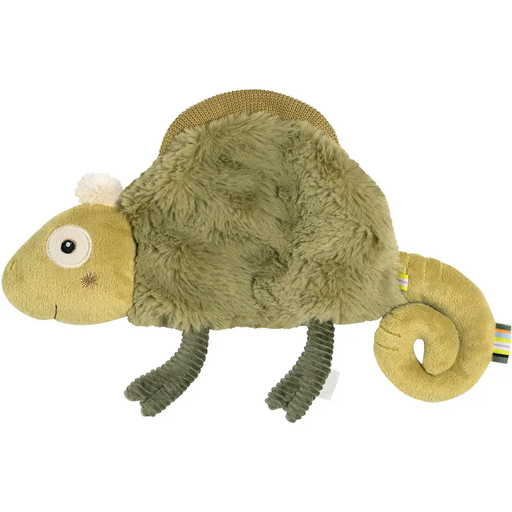
Why This Fits Their Persona: Ideal as a first toy and newborn gift. It combines the function of a comforter with initial grasping and tactile opportunities, without over-stimulating the baby.
Avoids sensory overload with a simple design focused on tactile stimuli. Machine-washable at 30°C ensures hygiene and durability.
Multifunctional as a playmate, comforter, and sleep aid. Suitable from 0+ months.
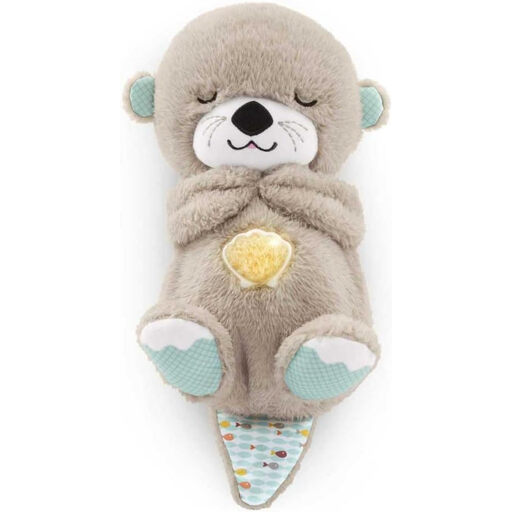
Why This Fits Their Persona: For parents looking for a dedicated sleep aid for their baby. The product is designed to create a calming atmosphere and help the baby fall asleep.
The features (breathing motion, sounds) are specifically designed for soothing, not active play, thus preventing over-stimulation. The electronic module is removable for cleaning.
Simulates rhythmic breathing motions. Offers up to 30 minutes of customisable music and sounds.

Why This Fits Their Persona: Perfect for toddlers (2–6 years) who want to embrace their urge to move while playfully training their sense of balance for future cycling.
It avoids the short-lifespan problem with an adjustable seat and handlebars, allowing it to grow with the child. It's a long-term investment in motor skill development.
Lightweight frame for easy handling. Puncture-proof tyres for low-maintenance use.
We have compiled a complete, up-to-date list of products that fully meet these strict selection criteria and European safety regulations.
The cleaning frequency depends on usage. Toys that are in daily use and often put in the mouth (e.g., a teething ring) should be cleaned daily with warm water and mild soap or disinfected according to the manufacturer's instructions. Stuffed animals and comforters should be washed regularly, at least once a week or when visibly soiled, following the washing instructions.
The CE marking is a self-declaration by the manufacturer. With it, they confirm that their product meets the essential health and safety requirements of all relevant EU directives. It is not a quality seal awarded by an independent body, but it is a mandatory prerequisite for selling toys in the EU. It signals that fundamental standards, such as those for mechanical safety and chemical composition, have been observed.
A music box can be a meaningful companion right from birth. Its gentle melody can become part of a soothing bedtime ritual and help the baby to settle down. Look for a pleasant, not-too-loud melody and simple operation. Models where the musical mechanism can be removed to clean the stuffed toy are particularly practical.