
Lieferung heute & morgen

Qualitätsgarantie

Willkommens-Angebote freischalten: KOSTENLOSE Lieferung | Bis zu 80 % RABATT | Kostenlose 30-Tage-JoyPlus-Testphase
App herunterladen
The selection of baby wipes is huge and can be overwhelming for many parents. Marketing promises ranging from "extra gentle" to "purely natural" don't make the decision any easier. However, these marketing claims often hide pitfalls that can lead to skin irritation for your child or unnecessary expenses. As your Joybuy Product Recommendation Officer, I'm here to help you identify these pitfalls and make an informed choice based on objective criteria.
Two common problems parents encounter are:
To make a smart purchasing decision, you should be guided by verifiable product features, not by advertising slogans. Three parameters are particularly important.
A baby's skin, especially a newborn's, is significantly thinner and more sensitive than an adult's. Therefore, a minimalist formula is a mark of quality.
The material of the wipe affects not only how it feels on the skin but also its environmental impact.
Good packaging saves time, money, and frustration.
Based on these objective criteria, we have selected a few products from our range that are suitable for different requirements.
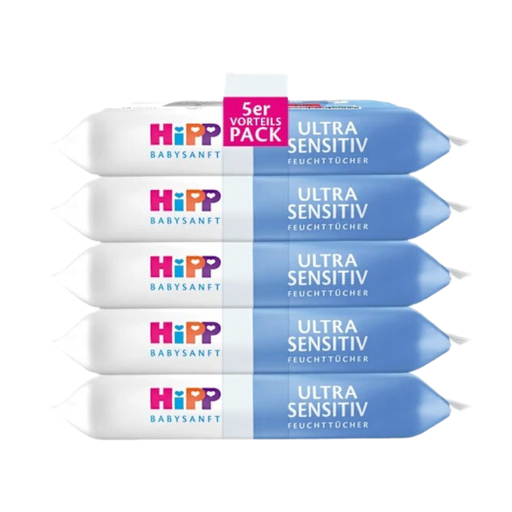
Why it's a good fit: Ideal for the highly sensitive skin of newborns. The formula is reduced to the absolute minimum to minimise the risk of irritation from the very beginning.
The product is completely free of fragrance and alcohol. The ingredients list is short and transparent, which counteracts the pitfall of misleading "natural" labels.
According to the manufacturer, it consists of 99% water. Also suitable for caring for skin prone to eczema.
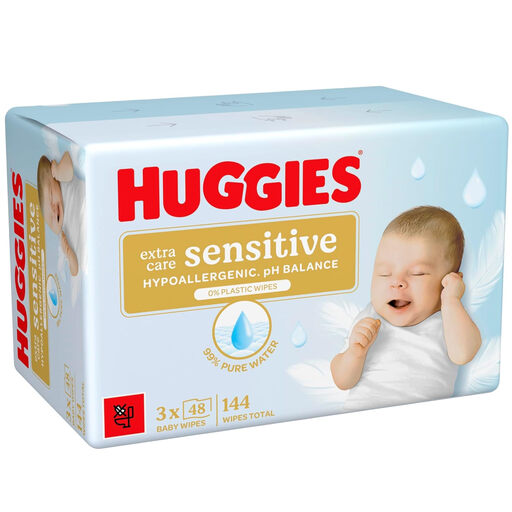
Why it's a good fit: Combines a skin-friendly formula with eco-friendly materials and the cost advantage of a bulk pack. Ideal for daily, high usage.
The resealable packaging ensures the wipes stay moist. The bulk pack reduces waste and costs associated with dried-out wipes.
According to the manufacturer, the wipes are plastic-free and made of 69% pulp. The 99% water formula is free from fragrance and alcohol.
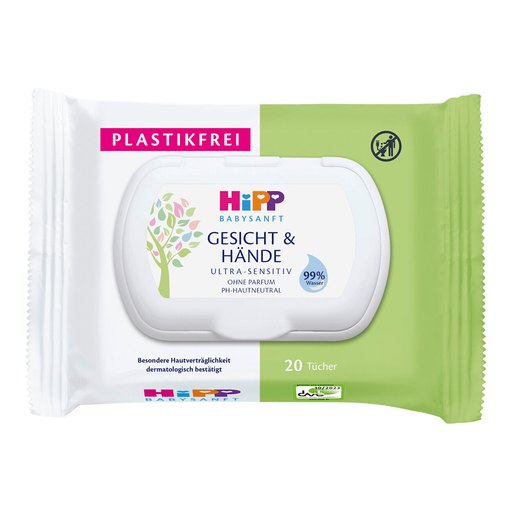
Why it's a good fit: The small, compact pack is specially designed for quick cleaning of face and hands on the go and fits into any nappy bag or handbag.
The packaging is optimised for on-the-go use. The practical seal ensures that the wipes remain moist even with frequent opening and closing.
According to the manufacturer, the wipes are made from particularly skin-friendly fine fibres that are lint-free. The mild lotion is suitable for face and hands.
For daily care at home, washable cloths can be a sustainable and exceptionally gentle addition. We have put together a selection of products that are distinguished by their skin-friendly materials.
Sensitive wipes are specially designed for the needs of sensitive skin. The main difference is in the formula: they consistently avoid known irritants like fragrance and alcohol. Many sensitive products, like those from Pampers or HiPP Babysanft, also contain fewer preservatives and are based on formulas with a very high water content to protect the skin barrier.
Plastic-free baby wipes offer two key advantages. Firstly, they are beneficial from an ecological perspective as they are made from renewable resources (e.g., pulp, viscose, or cotton) and are biodegradable. Secondly, many parents find the material softer and more pleasant on their baby's skin compared to wipes containing plastic.
To prevent a bulk pack of wipes from drying out, you should only take out and use one individual pack from the box at a time. Store the remaining supply in a cool, dark place. With the opened pack, make sure to firmly reseal the closure—whether it's an adhesive strip or a plastic lid—after each use. This will keep the wipes moist down to the very last one.